
The short answer: An ADU lets a parent live close by with their own front door. Choose between a JADU inside your home, usually the cheapest, and a detached ADU with more privacy. On taxes, two IRS rules matter: if your parent pays less than a fair rental price, their use counts as personal use and limits rental deductions, and some accessibility features, such as ramps and grab bars, can count as medical expenses. Plan for aging in place from the start.
Last verified: October 29, 2026 · Written by Marc
This guide combines California ADU rules, published 2026 cost ranges and federal tax rules for 2025 returns. It is general information, not tax, legal or medical advice. A parent’s care and finances are personal, so talk to a tax professional and, where useful, an elder law attorney.
Many families build an ADU for a parent: to keep them independent, to be nearby when help is needed, or to bring a caregiver onto the property. The decisions are not only about floor plans. They involve how the unit will be used, whether rent changes hands, who pays for what and how the design will work in ten years, not just today. This guide walks through the choice of unit, the design features that matter most, the tax rules families often miss and a planning checklist.
JADU or ADU: which fits a parent
| Option | What it is | Cost range (ADU Scale, June 2026) | Best for |
|---|---|---|---|
| JADU | Up to 500 sq ft inside your home, efficiency kitchen, can share a bathroom | $80,000 to $160,000 | A parent who wants to be close and may need help |
| Garage conversion ADU | An existing garage turned into a full unit | $120,000 to $220,000 | A parent who wants a separate unit at lower cost |
| Detached ADU | A new backyard unit with its own kitchen and bathroom | $240,000 to $380,000 | A parent who values privacy and independence |
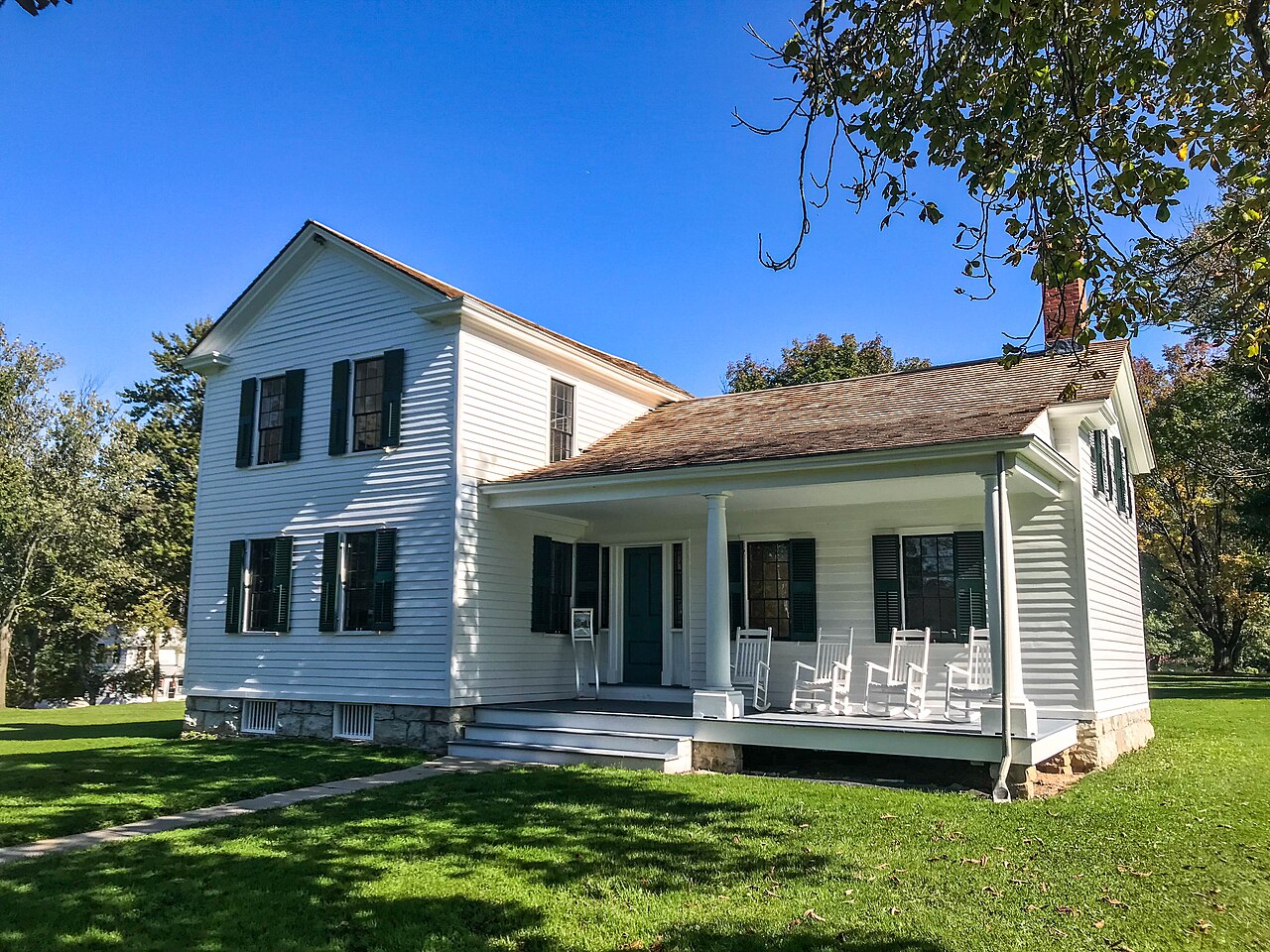
The JADU has two rules worth knowing for families. It must be within the walls of the home and have a separate entrance; if it shares the house’s bathroom, it also needs an interior entry to the main living area, which can be an advantage when a parent needs help. And since January 1, 2026, the owner must live on the property only if the JADU shares sanitation, which a family living together usually does anyway. Our guide to JADUs in California covers the details.
Designing for aging in place
A unit that works for a parent at 70 should still work at 85. The features below are common in aging-in-place design and easier to build in than to add later:
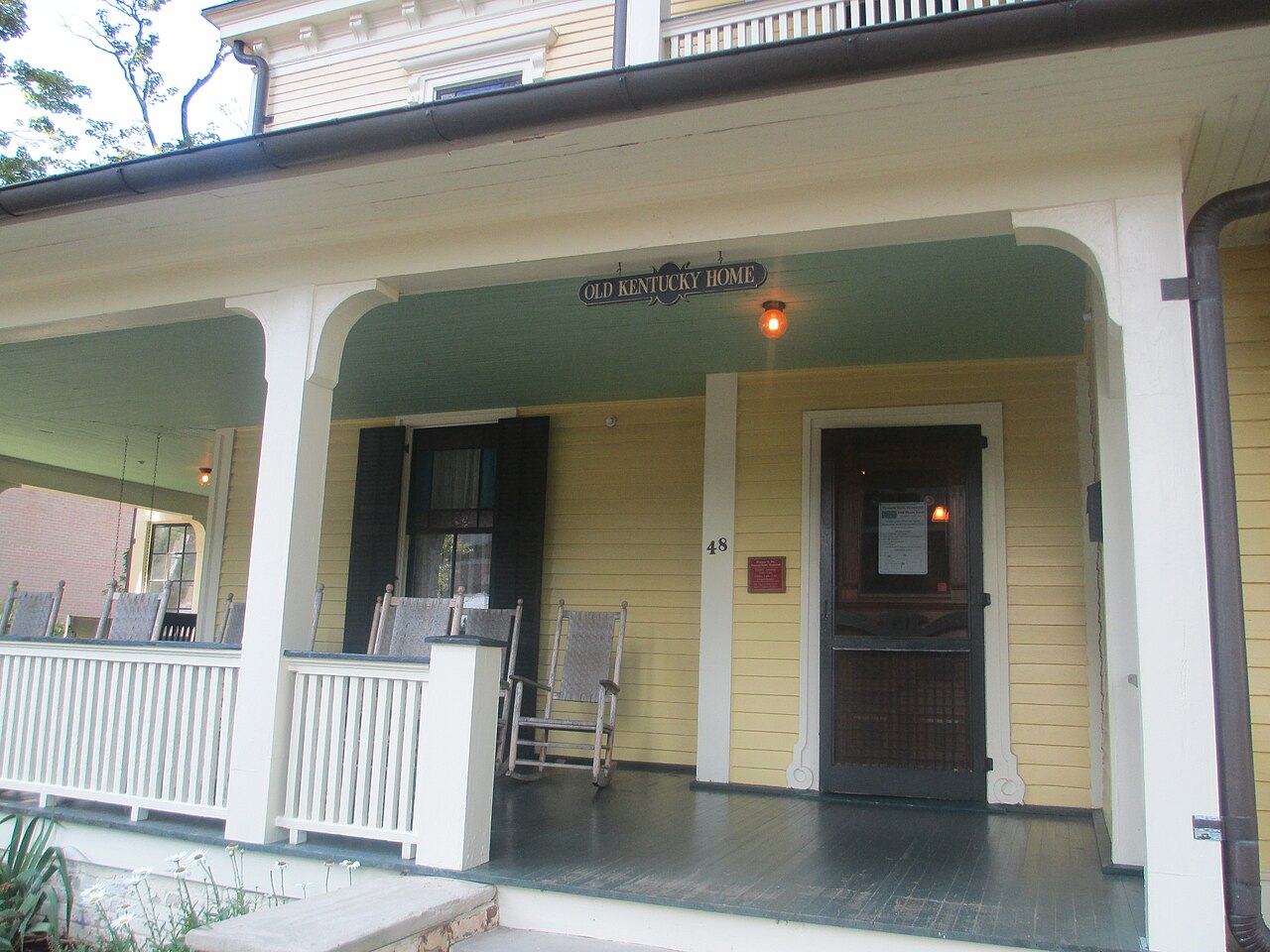
- Step-free entry with a ramp or level path from the driveway
- Wide doorways and hallways for a walker or wheelchair
- A curbless shower with grab bars and a seat
- Lever handles on doors and faucets
- Good lighting, including at the entrance and path
- A bedroom and bathroom on one level
- A clear sightline or intercom to the main house, if you want to check in easily
Practical tip: Ask your designer to show a wheelchair turning space in the bathroom and kitchen, even if your parent walks well today. Planning the space now costs little on paper and avoids tearing out walls later.
Fire and building codes still apply. In California, an ADU does not need fire sprinklers if they are not required for the main house, and building the ADU cannot trigger sprinklers in the existing home. Other fire and access rules still apply.
Rent and taxes: the fair rental price rule
Many families charge a parent little or no rent. That is a personal choice, but it changes the tax treatment. Under IRS Publication 527, days a family member uses the unit count as personal use unless they use it as their main home and pay a fair rental price. Use by anyone paying less than a fair rental price also counts as personal use.
| Arrangement | IRS treatment, in short |
|---|---|
| Parent pays a fair, market-based rent and lives there as their main home | Generally treated as a rental; rental deductions may be available |
| Parent pays below-market rent or nothing | Days count as personal use; rental deductions are limited |
| Parent pays rent, and you report it | Rent is income on your return |
There is no penalty for being generous. The point is to choose the arrangement knowingly. Our guides to ADU rental income taxes and how to set ADU rent explain how to document a fair rent if you want rental treatment.
Common mistake: charging a token rent and then deducting the ADU as a rental. Below-market rent to a relative makes the days personal use under IRS rules, which limits the deductions. Decide on the arrangement before the first tax season.
Accessibility features and medical expenses
IRS Publication 502 lets you include some home improvements as medical expenses when “their main purpose is medical care for you, your spouse, or your dependent.” Its examples include building entrance or exit ramps and adding handrails or grab bars.
Two rules shape how much counts:
- Value test: if an improvement increases the value of the property, its cost is reduced by that increase. Many accessibility features “don’t usually increase the value of the home,” so their cost can often be included in full.
- Who and how much: you can generally include expenses for a spouse or a dependent, and only the total medical and dental expenses above 7.5% of your adjusted gross income are deductible.
A parent counts as your dependent only if they meet the IRS tests, such as you providing over half of their support for the year. The ADU itself is a home improvement, not a medical expense, but specific accessibility features inside it may qualify. Ask a tax professional before you count on this.
A family planning checklist
- Talk about expectations: privacy, help, visits and what happens if needs change.
- Choose the unit type: JADU, garage conversion or detached ADU.
- Plan the design for aging in place, not only for today.
- Decide on rent, and document a fair rent if you want rental treatment.
- Track accessibility costs separately for a possible medical expense.
- Check insurance for a second household on the property.
- Think ahead: the unit may later house a caregiver or a tenant, so keep it legal and permitted.
Frequently asked questions
Is a JADU or an ADU better for an aging parent?
It depends on how much independence and help your parent needs. A JADU is inside your home, can share a bathroom and usually costs least, at $80,000 to $160,000 on one builder’s 2026 ranges, which suits a parent who may need daily help. A detached ADU costs more but gives privacy. A garage conversion sits in between.
Do I have to charge my parent rent for the ADU?
No. You can let a parent live there for free or for a low rent. Under IRS Publication 527, though, a relative’s use counts as personal use unless they use the unit as their main home and pay a fair rental price, which limits rental deductions. If you charge rent, it is generally income on your return. A tax professional can help you choose.
Can ADU accessibility features be tax deductible?
Some can. IRS Publication 502 allows home improvements whose main purpose is medical care for you, your spouse or your dependent, such as ramps and grab bars, as medical expenses. If a feature raises the home’s value, its cost is reduced by that increase. Only total medical expenses above 7.5% of your adjusted gross income are deductible.
Does my parent count as my dependent for medical expenses?
Only if they meet the IRS tests. For a qualifying relative, IRS Publication 502 says you generally must have provided over half of their support during the year, along with other conditions. If your parent does not qualify, you generally cannot include their medical expenses on your return. Check the full rules with a tax professional before you rely on the deduction.
Can a caregiver live in the ADU?
Often, yes. In California, owner-occupancy requirements cannot be imposed on an ADU, so the unit can house a parent, a caregiver or a tenant over time, as long as rentals are longer than 30 days where the state or city requires it. A JADU that shares sanitation requires the owner to live on the property. Our guide to owner-occupancy rules covers other states.
The bottom line
Building an ADU for aging parents works best when the design and the paperwork are planned together. Choose a JADU, a garage conversion or a detached ADU based on how much independence and help your parent needs, design for aging in place and decide on rent knowingly: below-market rent to a relative counts as personal use under IRS rules, while some accessibility features can be medical expenses.
Your next step is to talk through expectations as a family, then price the unit type that fits and ask a tax professional how the rent and accessibility costs will be treated. Compare the options in garage conversion ADUs and JADUs.
Sources
- IRS Publication 502, Medical and Dental Expenses
- IRS Publication 527, Residential Rental Property
- Cal. Gov. Code § 66313 (definitions)
- Cal. Gov. Code § 66333
- Cal. Gov. Code § 66314
- ADU Scale: California ADU cost guide (builder, updated June 2026)
General information, not financial or tax advice. Rules change; confirm every figure with a qualified professional.
Cover photo: “White house with glowing ramblers Cape Cod beauty (64305)” by Tichnor Bros. Inc., public domain, via Wikimedia Commons.
Questions or a correction?
If something in this guide is unclear, out of date or does not match what your city told you, send me a message. Include the source if you have one.