The short answer: An addition makes your home bigger; an ADU creates a second home on the lot. In California, that difference changes the rules. An ADU application must be approved ministerially within 60 days of a complete application, with side and rear setbacks capped at 4 feet and no impact fees at 750 sq ft or less. An addition follows your city’s regular zoning for the main house. Both count as new construction for property tax. Choose an addition for more family space; choose an ADU for privacy, rental income or a relative who needs their own door.
Last verified: October 29, 2026 · Written by Marc
This guide compares the two under California state law and one builder’s 2026 cost ranges. It is general information, not legal, tax or financial advice. Local rules and prices vary, so confirm both options with your planning department and with bids.
The question usually starts the same way: the family needs more room, and the backyard or the garage looks like the answer. A bedroom and bathroom added to the house and a small ADU can use similar space and similar money, but they are different projects under the law and in the market. One is part of your home; the other is a separate dwelling with its own kitchen. This guide puts them side by side, explains what changes the cost, and gives you a way to decide.
The core difference: one home or two
California law defines an ADU as a unit with “complete independent living facilities,” including permanent provisions for living, sleeping, eating, cooking and sanitation (Gov. Code § 66313). An addition has none of that independence: it is more rooms in the same home, usually without a separate kitchen or entrance.
That single difference drives the rest of the comparison:
- An ADU can be rented as a separate home, subject to the minimum rental term state and local law allow.
- An addition is part of the house, so any extra income would come from renting a room, not a unit.
- An ADU gets state protections on approval, setbacks, height, parking and fees that do not apply to additions.
- An addition follows local zoning for the main house, which may be more or less generous than ADU law on your lot.
How approval and zoning differ
| Question | ADU (California state law) | Home addition |
|---|---|---|
| Approval | Ministerial, no hearing (Gov. Code § 66317) | Regular building permit under local zoning |
| Deadline | Approve or deny within 60 days of a complete application; otherwise deemed approved | No ADU-style deadline |
| Side and rear setbacks | Capped at 4 feet for qualifying ADUs (Gov. Code § 66314) | The zone’s setbacks for the house |
| Impact fees | None at 750 sq ft or less; larger units pay in proportion to the house (Gov. Code § 66324) | Set by local rules |
| Owner occupancy | Not allowed as a condition for an ordinary ADU (Gov. Code § 66315) | Not applicable |
| Property tax | New construction: only the new unit is assessed | New construction: only the addition is assessed |
| Selling separately | Only where a city allows ADU condominiums (Gov. Code § 66342) | Not possible |
The setback row matters most on small lots. If your zone requires 10 feet from the rear property line for the house, an addition must respect it, while a qualifying ADU needs only 4. That is often why owners who wanted an addition end up building an attached or detached ADU instead. Our guide to ADU setback requirements explains which units qualify.
Common mistake: assuming an addition is the simpler permit. On many lots it is the harder one, because it must meet the zone’s full setbacks, height and floor-area rules, while an ADU benefits from state caps. Ask your planning department to check both options on your lot before you design either.
How the cost compares
ADU Scale’s June 2026 California guide gives ranges for ADUs, not for additions: $300 to $550 per sq ft for a detached ADU, $300 to $500 for an attached ADU and $250 to $450 for a garage conversion. We found no comparable neutral source for addition costs, so we do not quote one. What we can say is where the costs differ:
- The kitchen. An ADU needs one by definition; an addition usually does not. A kitchen is one of the most expensive rooms per square foot.
- Utilities. A detached ADU needs its own runs for water, sewer and power, and sometimes a larger electrical service. An addition ties into the house’s systems.
- Fees. An ADU of 750 sq ft or less pays no impact fees. Fees for an addition depend on your city.
- Structure. An addition opens an exterior wall of the house and has to match its roof, foundation and finishes. A detached ADU is a separate structure.
- Energy Code. A new detached ADU generally needs solar; additions and most conversions do not. Our ADU solar guide explains the rule.
The result is that a small detached ADU often costs more than a bedroom addition of the same size, while a garage conversion can come close to it. Get bids for both options at the same size if you are undecided.
Property tax: the same rule for both
In California, both projects are new construction. The county assessor adds the value of the new work to your existing assessed value; the rest of the home keeps its base-year value. An ADU and an addition of similar value therefore raise property tax by similar amounts. Our guide to ADU property tax in California shows how the assessment is calculated.
Income, resale and financing
This is where the two projects diverge most:
- Rental income. An ADU can produce rent, which can help repay the loan that built it. California state ADUs, JADUs and SB 9 units must be rented for longer than 30 days, so plan on long-term tenants. See how to set ADU rent.
- Lender treatment. Some loan programs count part of ADU rent when you qualify, which an addition cannot offer. Our guide to ADU rental income and loan qualification covers the limits.
- Resale. An addition adds bedrooms and square footage to the house. An ADU adds a second dwelling, which appraisers handle with their own methods; see how an appraiser values a home with an ADU.
- Flexibility. An ADU can house a parent now, a tenant later and an adult child after that. An addition stays part of your living space.
A worked example: one family, two plans
Here is a hypothetical case. A family wants space for a parent on a lot whose zone requires 15 feet of rear setback for the house. The backyard is 25 feet deep behind the house.
- Addition: with a 15-foot rear setback, only 10 feet of depth is available. That may fit a narrow bedroom but leaves little room for a bathroom and sitting area.
- Detached ADU: with a 4-foot rear setback and room left between the buildings for fire separation, the same yard can fit a small unit with its own kitchen and entrance.
- Long term: when the parent no longer needs it, the ADU can be rented for more than 30 days; the addition remains an extra bedroom.
The ADU will likely cost more because of the kitchen and utilities, but on this lot it is also the option that fits. Your planning department confirms the actual setbacks and separation for your lot.
Practical tip: Ask your planner for a written zoning summary of your lot that lists the setbacks, height and floor-area limits for the house and for an ADU. Seeing both sets of numbers on one page usually settles the choice before you pay for design.
How to decide
Answer these questions in order:
- Do you need a separate kitchen and entrance, now or later?
- Could rent help you pay for the project?
- Do the house’s setbacks leave room for an addition on your lot?
- Would you rather have a bigger house or a second home when you sell?
- Is your budget closer to a bedroom addition or a small ADU, based on real bids?
If the answers to the first two are yes, an ADU is usually the better fit. If you only need a bigger living room or a primary suite, an addition is the simpler answer.
Frequently asked questions
Is an ADU cheaper than a home addition?
Not always. An ADU needs a kitchen and, if detached, its own utility connections, so a small detached ADU often costs more than a bedroom addition of the same size. A garage conversion can come closer. An ADU of 750 sq ft or less avoids impact fees, which narrows the gap. Get bids for both at the same size.
Is an ADU easier to permit than an addition?
In California it often is. An ADU must be approved ministerially within 60 days of a complete application, with setbacks capped at 4 feet for qualifying units. An addition follows the zone’s full rules for the house. On a small lot, that difference can decide whether either project fits at all.
Does an ADU raise property tax more than an addition?
Not as a rule. In California both are new construction: the assessor adds the value of the new work to your existing assessed value without reassessing the rest of the home. Two projects of similar value raise property tax by similar amounts. Our property tax guide explains the calculation.
Can I rent out an addition like an ADU?
Not as a separate unit. An addition is part of your home, so renting it means renting a room in the house. An ADU has its own kitchen and living facilities and can be rented as a separate home. In California, state ADUs must be rented for terms longer than 30 days.
Which adds more value when I sell?
It depends on your market. An addition adds bedrooms and square footage to the house, which buyers and appraisers understand easily. An ADU adds a second dwelling and potential rent, which appraisers value with their own methods. Ask a local appraiser or agent how similar homes have sold before you choose.
The bottom line
ADU vs home addition comes down to whether you need a second home or a bigger one. In California, an ADU gets ministerial approval within 60 days, 4-foot setbacks for qualifying units and no impact fees at 750 sq ft or less, plus the option to rent it. An addition follows local zoning for the house and stays part of it. Both are taxed as new construction.
Your next step is to ask your planning department for the zoning limits on your lot for both options, then get bids at the same size. Use our guide to whether you can build an ADU on your property and the ADU budget breakdown to compare.
Sources
- Cal. Gov. Code § 66313 (definitions)
- Cal. Gov. Code § 66314
- Cal. Gov. Code § 66315
- Cal. Gov. Code § 66317
- Cal. Gov. Code § 66324 (fees)
- Cal. Gov. Code § 66342
- ADU Scale: California ADU cost guide (builder, updated June 2026)
General information, not legal or financial advice. Rules and prices change; confirm with the agency or professional involved.
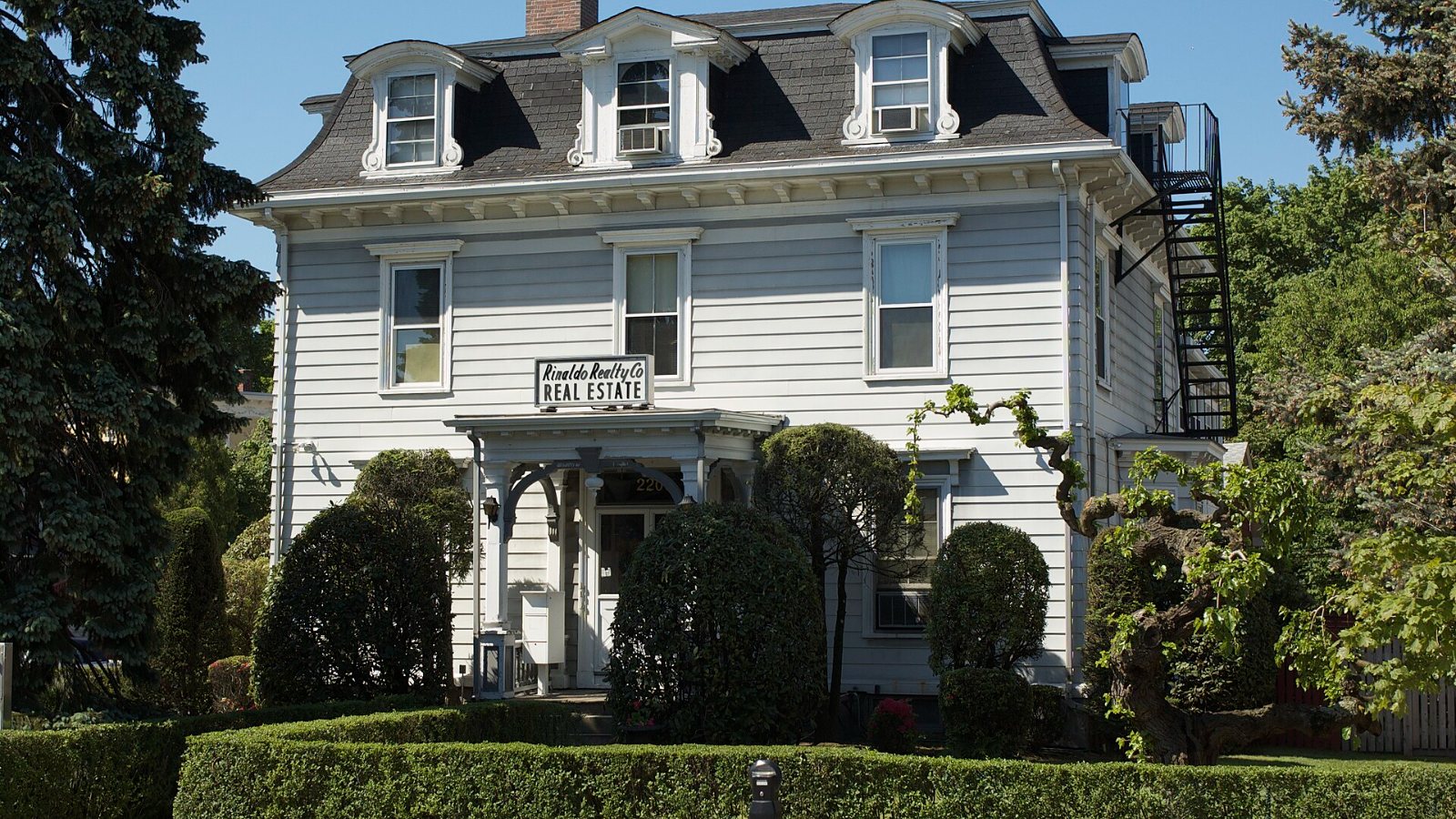
Cover photo: “Alpheus Mead House” by Tim Pierce, CC BY 3.0, cropped, via Wikimedia Commons.
Questions or a correction?
If something in this guide is unclear, out of date or does not match what your city told you, send me a message. Include the source if you have one.