The short answer: A complete ADU permit application in California usually includes a site plan, floor and roof plans, elevations and sections, structural details, Title 24 energy calculations and the city’s own forms. Many cities also ask for an address request, a utility or hydrant letter and an owner declaration. Completeness matters: the city has 15 business days to say whether your application is complete and 60 days to decide once it is, so a complete first submittal saves the most time.
Last verified: October 29, 2026 · Written by Marc
This checklist combines state deadlines with the published submittal lists of three California cities. It is general information, not legal advice. Every city has its own forms, so use your city’s checklist as the final word.
The most common reason an ADU permit takes months instead of weeks is not the review itself. It is the incomplete notice that sends the application back, and the weeks it takes to fix it. Cities publish their submittal lists, but the items are spread across bulletins, forms and web pages. This guide puts them in one place: the core documents almost every city wants, the extras some cities add, real examples from San Diego, Sacramento and San Jose, and the deadlines that start once your package is complete.
The core documents almost every city wants
These items appear in the submittal lists of the cities we reviewed, and you should expect them almost anywhere in California:
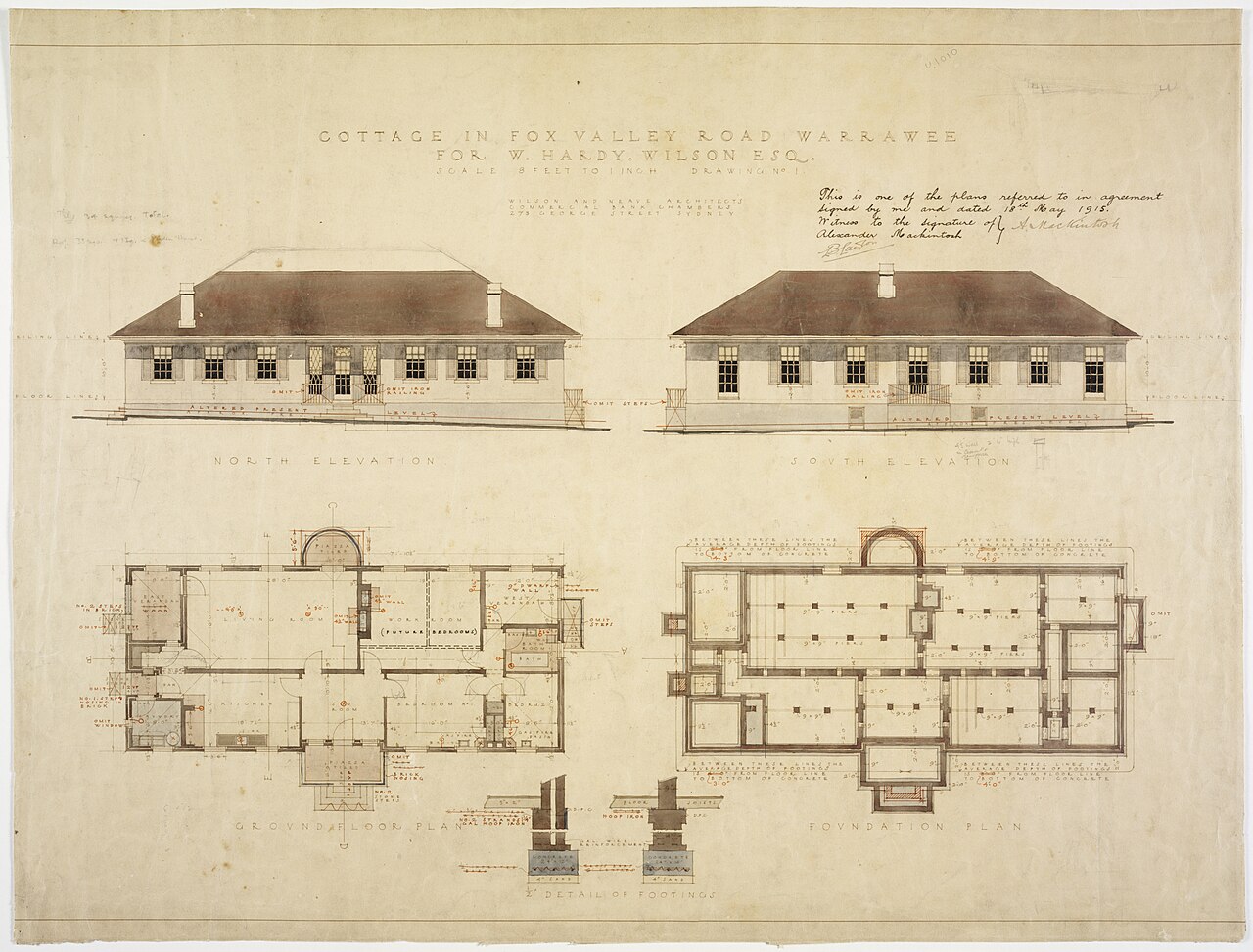
- Site plan drawn to scale, showing lot lines, existing structures, the proposed ADU and its distances to property lines.
- Floor plans and roof plans.
- Elevations and sections.
- Structural plans and details, with structural or truss calculations.
- Title 24 energy calculations, showing compliance with the Energy Code.
- The city’s general application form.
- Owner authorization or declaration, where the city requires one.
Sacramento’s guidance adds that the site plan can be digital or hand-drawn but must be fully dimensioned and show impervious surfaces. San Diego asks for a vicinity map with the site plan.
Common mistake: submitting architectural drawings without the energy calculations or structural details. Both are on most cities’ minimum lists, and either one missing is enough for an incomplete notice.
Extras many cities add
Beyond the core set, cities often ask for items tied to their own systems:
| Item | Why it is asked for | Example |
|---|---|---|
| Address request | Each ADU needs its own address | Sacramento’s Address Request Form (CDD-0104), which can take up to four weeks |
| Water meter or utility form | To size or record the water service | San Diego’s Water Meter Data Card (DS-16) |
| Storm water checklist | New hard surface and drainage | San Diego’s Storm Water Applicability Checklist (DS-560) |
| Hydrant flow letter | Fire water supply | San Jose requires a letter from the water company |
| Owner declaration or deed restriction | ADU or JADU conditions | San Jose’s Form 312 (ADU) and Form 313 (JADU deed restriction, wet signature) |
| Tree permit | If you remove trees | Sacramento lists it at submittal |
| Percolation test | ADU on a septic system | Cities may require one from the last 5 years (10 if recertified) under Gov. Code § 66323(f) |
| Coastal development permit application | Lots in the coastal zone | Processed at the same time as the ADU permit under Gov. Code § 66329 |
Three city examples
San Diego. The January 2026 bulletin’s minimum submittal includes a site plan and vicinity map, floor and roof plans, elevations and sections, structural plans with calculations, Title 24 energy calculations and forms DS-3032 (general application), DS-16 (water meter data card) and DS-560 (storm water checklist). Applications go through the city’s Online Permitting Account.
Sacramento. At submittal, the city lists construction documents for the building permit, the address request form, a tree permit if trees are removed and, optionally, an ADU Optional Zoning Review application (CDD-0009). The city says no separate planning or zoning approval is required before applying for the building permit.
San Jose. The package uploaded to SJePlans includes the plans, the ADU inspection checklist, Title 24 energy calculations and CalGreen checklist, a geotechnical report where applicable, a water company hydrant flow letter, Form 302 for the address and Form 312, the ADU owner declaration. The city warns that projects are often delayed without the hydrant flow letter.
Our city guides for San Diego, Sacramento and San Jose cover each process in detail.
Pre-approved plans shorten the list
A pre-approved plan does not remove the site-specific documents, but it removes much of the design review. Three examples:
- San Diego: pre-approved plans get a 30-day review period, and the city also accepts permit-ready plans from San Diego County and Encinitas that meet its submittal guidelines.
- Los Angeles: LADBS pre-approves standard plans against the building codes, so reviewers check mainly zoning and the foundation for your site; the list marks each plan as approved or expired.
- San Jose: the city calls its pre-approved program the fastest and lowest-cost path and says same-day permit issuance is available if the site-specific documents are complete.
With a pre-approved plan, your checklist shrinks to the site plan, the city’s forms and the site-specific letters. Our guide to ADU design costs compares the options.
The deadlines that start once you file
California law sets two clocks under Government Code section 66317:
- 15 business days for the city to tell you in writing whether the application is complete. If it misses that deadline, the application is deemed complete. An incomplete notice must list what is missing and how to fix it.
- 60 days after a complete application for the city to approve or deny it. Review is ministerial.
If you request a delay, the 60-day period pauses for that time. If you disagree with an incomplete notice or a denial, you can appeal, and the city owes a final written decision within 60 business days of the appeal.
Practical tip: Email your planner on the day you file and ask them to confirm the date the application was received. Keep a log of every notice and resubmittal. If a deadline is missed, that log is what lets you point to section 66317.
Before you submit: a final check
- Compare your package against the city’s current checklist, line by line.
- Check the forms’ revision dates; cities update them.
- Confirm the address request is in, if your city requires one.
- Confirm utility letters such as hydrant flow or will-serve letters.
- Check overlays: coastal, historic or fire hazard areas can add documents.
- Ask for a pre-submittal review if your city offers one.
- Keep copies of everything you upload.
Frequently asked questions
What documents do I need for an ADU permit in California?
Usually a scaled site plan, floor and roof plans, elevations and sections, structural details and calculations, Title 24 energy calculations and the city’s application form. Many cities add an address request, a water or utility form, a storm water checklist and an owner declaration. San Jose also requires a hydrant flow letter. Use your city’s own checklist as the final list.
How long does the city have to review my ADU application?
Under Government Code section 66317, the city has 15 business days to tell you whether the application is complete, or it is deemed complete. After a complete application, the city has 60 days to approve or deny it, with ministerial review. If you ask for a delay, the 60 days pause for that time. Real timelines often run longer because of incomplete notices.
Can I draw the site plan myself?
Sometimes. Sacramento’s guidance says the site plan can be digital or hand-drawn, as long as it is fully dimensioned, drawn to scale and shows lot lines, existing structures, impervious surfaces, the proposed ADU and its distances to property lines. Structural and energy documents usually need a professional. Check what your city accepts before you start.
Do I need a separate planning approval before the building permit?
Not always. Sacramento says no separate planning or zoning approval is required before you apply for the building permit, although an optional zoning review is available. San Jose uses one online flow for planning and building. Other cities differ, so ask whether your city runs planning review separately. Our guide to ADU permit timelines explains how separate approvals add time.
What happens if my application is incomplete?
The city must send a written notice within 15 business days listing what is missing and how to fix it. The 60-day decision clock starts only once the application is complete, so each round of corrections adds time. You can appeal an incomplete notice you disagree with, and the city owes a final written decision within 60 business days of the appeal.
The bottom line
An ADU permit application checklist in California starts with a scaled site plan, floor and roof plans, elevations, structural details and Title 24 energy calculations, plus the city’s forms. Many cities add an address request, utility or hydrant letters and owner declarations. Once the package is complete, the city has 60 days to decide, so completeness is the step you control most.
Your next step is to download your city’s current submittal checklist and match your package to it line by line before you file. Then estimate the fees in ADU permit cost by city and the timeline in how long an ADU permit takes.
Sources
- Cal. Gov. Code § 66317
- Cal. Gov. Code § 66323
- Cal. Gov. Code § 66329
- City of San Diego: Information Bulletin 400
- City of Sacramento: ADU application submittal
- City of San Jose: ADU plan review and permit process
- LADBS: ADU page
Check early whether your unit triggers fire protection requirements: ADU fire sprinkler rules in California.
General information, not legal advice. Local rules vary and change; confirm with your planning department.
Cover photo: “Moreland Courts (blueprints) – DPLA – 0cba5ed0a51c68ea1a90f6f3a2d5cdfb (page 1)” by Alfred W. Harris, public domain, via Wikimedia Commons.
Questions or a correction?
If something in this guide is unclear, out of date or does not match what your city told you, send me a message. Include the source if you have one.