The short answer: An ADU lease in California follows the same landlord-tenant law as any rental, plus a few points specific to a unit in your backyard. Since July 1, 2024, most landlords can charge a security deposit of no more than one month’s rent; small landlords can charge two. For tenancies starting on or after July 1, 2025, you must photograph the unit at move-in. Entry needs reasonable written notice, presumed to be 24 hours. State ADUs must be rented for longer than 30 days. The clauses owners forget most are shared utilities, parking, yard use and access through the main property.
Last verified: October 29, 2026 · Written by Marc
This guide summarizes California statutes read on October 29, 2026. It is general information, not legal advice. Many cities add their own tenant rules, so check local ordinances and consider having a lawyer review your lease.
Renting an ADU often feels informal: the tenant is next door, maybe a friend of a friend, and a short agreement seems enough. That is when problems start. A backyard unit shares a lot, often a driveway and sometimes a water meter with your home, and a generic lease form does not cover those things. California law also sets rules on deposits, entry and rent increases that apply no matter how friendly the arrangement is. This guide covers the legal limits first, then the ADU-specific clauses, then a checklist you can use before signing.
The minimum rental term
Before writing a lease, check how short it can be. California law requires rentals of state-mandated ADUs, JADUs and SB 9 units to be longer than 30 days, and lets cities require terms of 30 days or longer for ADUs approved under a local ordinance. Many cities add their own short-term rental rules. Our guide to ADU short-term rental rules explains the differences.
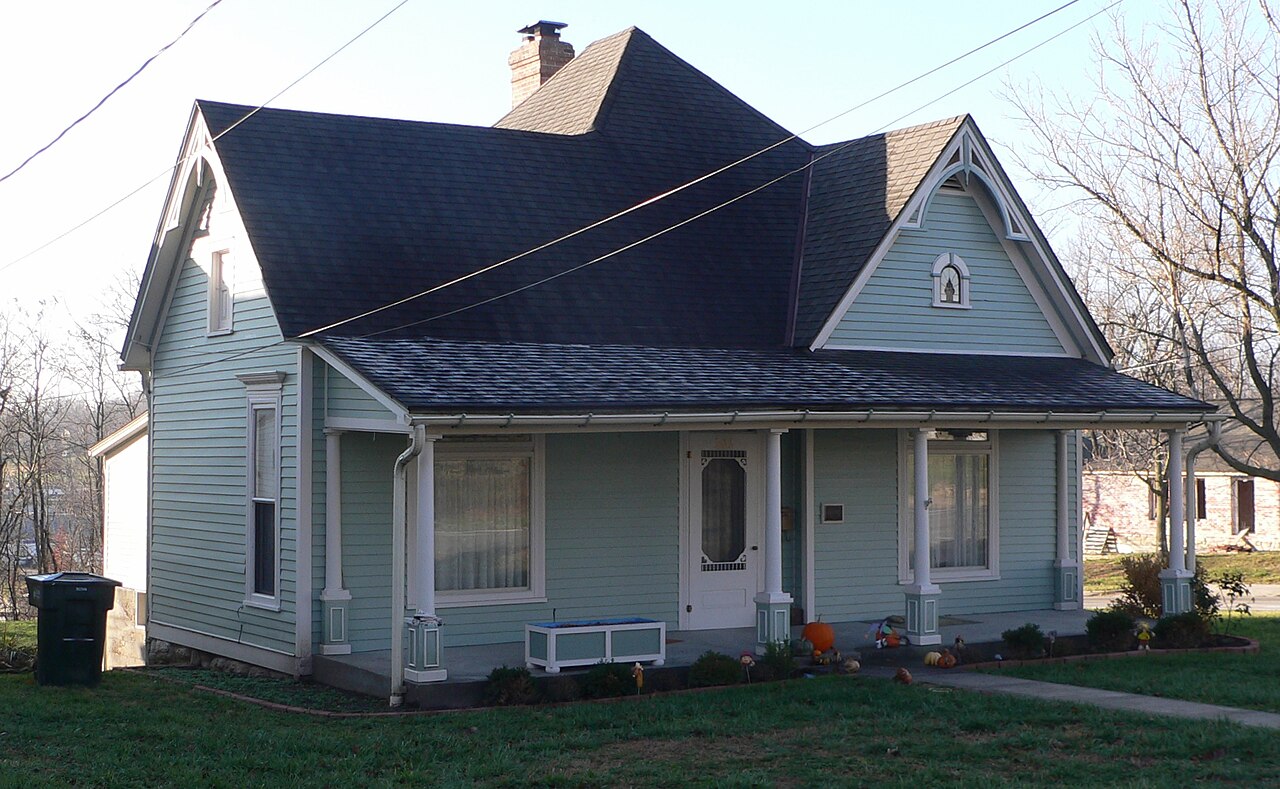
In practice, most ADU leases are either fixed-term leases, often for a year, or month-to-month agreements. The choice affects how rent can change and how the tenancy can end.
Security deposits: the one-month cap
Civil Code § 1950.5 limits how much security a landlord can collect, in addition to the first month’s rent:
| Landlord | Maximum security deposit | Notes |
|---|---|---|
| Most landlords | One month’s rent | Applies to security collected on or after July 1, 2024 |
| Small landlord: a natural person, or an LLC whose members are all natural persons, owning no more than two residential rental properties with no more than four units in total | Two months’ rent | Does not apply if the tenant is a service member |
| Any landlord, lease of six months or longer | An advance payment of at least six months’ rent is still allowed | Advance rent is separate from the deposit cap |
Many ADU owners qualify as small landlords, because the ADU is their only rental. Even so, a higher deposit can make the unit harder to rent; many owners charge one month regardless.
“Security” is defined broadly. It includes any payment, fee or deposit imposed at the start of the tenancy, other than a screening fee, and covers uses such as unpaid rent, damage beyond ordinary wear and tear and cleaning to return the unit to its move-in condition.
Photos and the move-out process
California added photo requirements to the deposit law:
- At move-in: for tenancies that begin on or after July 1, 2025, the landlord must take photographs of the unit immediately before, or at the start of, the tenancy.
- At move-out: since April 1, 2025, the landlord must photograph the unit within a reasonable time after it is returned, before any repairs or cleaning charged to the deposit, and again after those repairs or cleaning are done.
- Initial inspection: the tenant can request an inspection before moving out, and the landlord must give an itemized statement of proposed deductions so the tenant can fix the problems.
- Return deadline: no later than 21 calendar days after the tenant leaves, the landlord must provide an itemized statement and return the rest of the deposit.
Practical tip: Take the move-in photos with the tenant present, date them and attach a copy to the signed lease. The law requires the photos, and a shared set makes deductions much easier to explain at move-out.
Entry and privacy when the tenant lives next door
The ADU is your tenant’s home even though it sits on your lot. Civil Code § 1954 lets a landlord enter only for specific reasons, such as an emergency, necessary or agreed repairs, or showing the unit. Except in an emergency, the landlord must give reasonable written notice of the date, approximate time and purpose, and enter during normal business hours. Twenty-four hours is presumed to be reasonable notice.
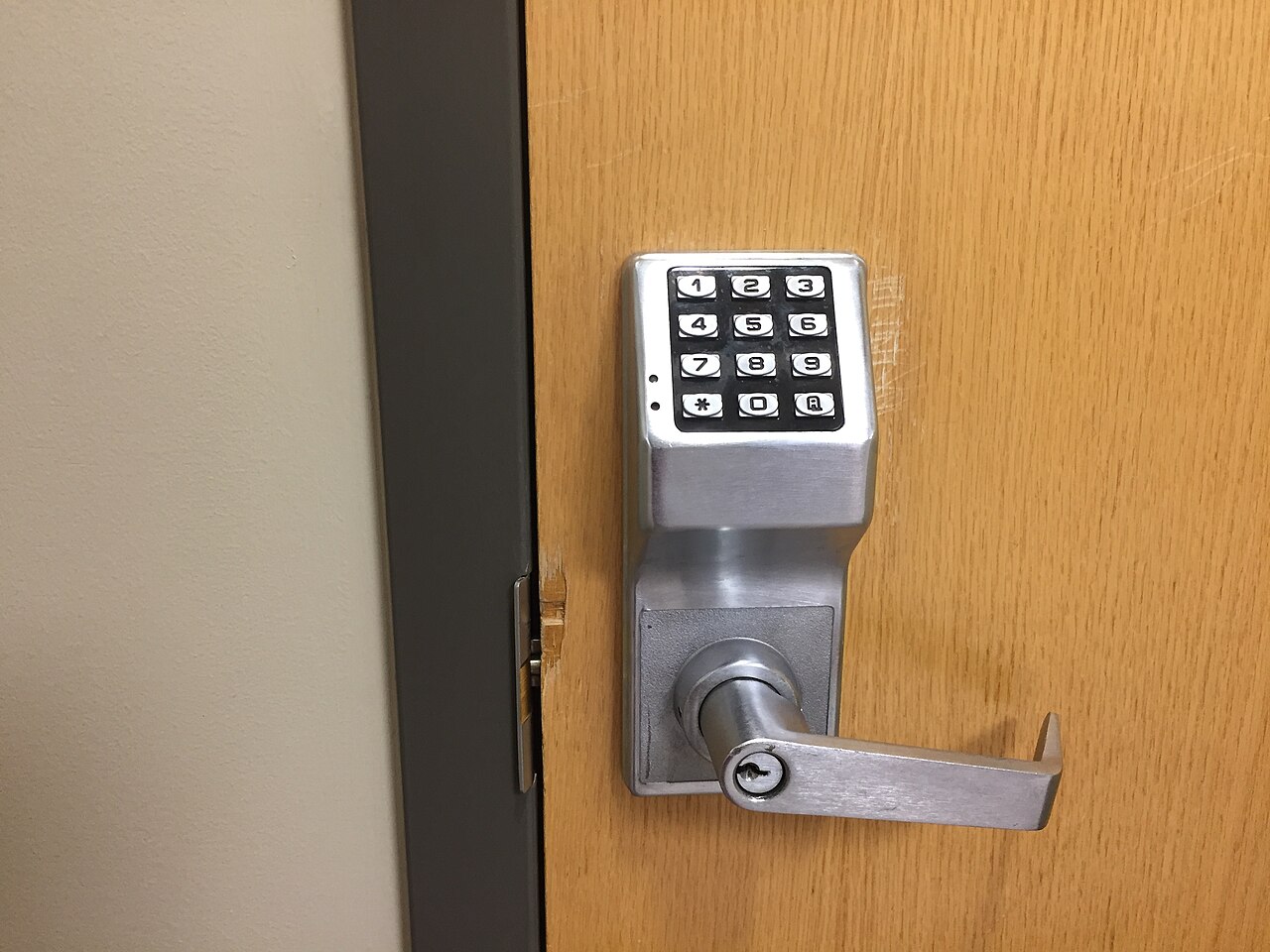
That rule matters more for an ADU than for a distant rental, because you see the unit every day. A lease that explains how you will request entry, and how the tenant will report repairs, prevents most disputes.
Rent increases and ending the tenancy
For a month-to-month tenancy, Civil Code § 827 sets the notice for a rent increase: at least 30 days if the increase is 10% or less over the previous 12 months, and at least 90 days if it is more than 10%. A fixed-term lease generally keeps its rent until the term ends, unless the lease says otherwise.
California’s just cause law, Civil Code § 1946.2, generally limits evictions after a tenant has lived in a unit for 12 months. It exempts single-family owner-occupied residences where the owner-occupant rents no more than two units or bedrooms, including an ADU or a JADU. State rent caps have their own rules, and many cities have stricter ordinances. Our guide to rent control and ADUs in California explains which rules apply to which units.
The clauses ADU owners forget
A standard California lease form covers rent, deposit and the legal notices. These ADU-specific points are often missing:
- Utilities. If the ADU shares a meter with the house, say how each utility is paid: included in rent, a fixed monthly charge or a split. See our guide to ADU utility meters.
- Parking. Name the space, or state that none is included.
- Yard and outdoor space. Say which part of the yard is the tenant’s, which is shared and which is yours.
- Access. Describe the path to the unit, gates, keys and codes.
- Trash and recycling. Whose bins, and where they go on collection day.
- Noise and shared walls, if the ADU is attached or above the garage.
- Laundry, if the tenant uses the machines in the main house.
- Pets and smoking, which affect your own home because it is next door.
- Mail and address, so deliveries reach the right door; see how to get an address for an ADU.
- Renters insurance, if you want to ask the tenant to carry it.
Common mistake: splitting a shared utility bill “informally” without writing the method in the lease. When the bill spikes in summer or winter, there is no agreed rule to fall back on. Write the method, the due date and what happens if usage changes.
Leasing to family
Many ADUs house relatives, and the lease still matters. For tax purposes, IRS Publication 527 treats days when a relative uses the unit as personal use unless the relative uses it as their main home and pays a fair rental price. A written lease at a market-based rent is the simplest way to show that. Our guide to ADU rental income taxes explains the effect on deductions.
A pre-signing checklist
- Confirm the minimum rental term your city requires.
- Set the deposit within the legal cap.
- Take and attach dated move-in photos.
- Write the utility, parking, yard and access clauses.
- Add how entry will be requested and how repairs are reported.
- Check your city’s tenant protection and rent ordinances.
- Tell your insurer the unit will be rented; see ADU insurance.
Frequently asked questions
How much security deposit can I charge for an ADU in California?
Generally one month’s rent, in addition to the first month’s rent, for deposits collected on or after July 1, 2024. A small landlord, a natural person or an LLC of natural persons owning no more than two rental properties with no more than four units, can charge up to two months, except when the tenant is a service member.
Do I need to take photos when renting my ADU?
Yes. For tenancies that begin on or after July 1, 2025, California requires the landlord to photograph the unit immediately before or at the start of the tenancy. Since April 1, 2025, the landlord must also photograph it after move-out, before and after any repairs or cleaning charged to the deposit.
How much notice do I need to enter the ADU?
Except in an emergency, California requires reasonable written notice stating the date, approximate time and purpose of the entry, and entry during normal business hours. Twenty-four hours is presumed reasonable. The landlord may enter only for reasons the law lists, such as repairs, and may not use access to harass the tenant.
Can I rent my ADU month to month?
Yes, as long as the term meets the state and local minimum, which for state ADUs in California means longer than 30 days. In a month-to-month tenancy, a rent increase needs at least 30 days’ notice if it is 10% or less over 12 months, and 90 days if it is more.
Does just cause eviction apply to my ADU tenant?
Possibly not under state law, but check local rules. California’s just cause law exempts single-family owner-occupied residences where the owner-occupant rents no more than two units or bedrooms, including an ADU or JADU. Many cities have their own eviction ordinances that may still apply, so check before you sign or end a tenancy.
The bottom line
An ADU lease in California has to follow the state’s general rules: a security deposit of one month’s rent for most landlords, two for small landlords, dated photos at move-in and move-out, 24-hour written notice for entry and 30 or 90 days’ notice for rent increases. The ADU-specific clauses, shared utilities, parking, yard, access and laundry, are the ones generic leases leave out.
Your next step is to start from a current California lease form and add the ADU clauses above before you sign. Then set the rent with our guide to how to set ADU rent and check the rent control rules for your unit.
Sources
- Cal. Civil Code § 1950.5 (security deposits)
- Cal. Civil Code § 1954 (landlord entry)
- Cal. Civil Code § 827 (rent increase notices)
- Cal. Civil Code § 1946.2 (just cause)
- Cal. Gov. Code § 66315
- IRS Publication 527, Residential Rental Property
General information, not financial or tax advice. Rules change; confirm every figure with a qualified professional.
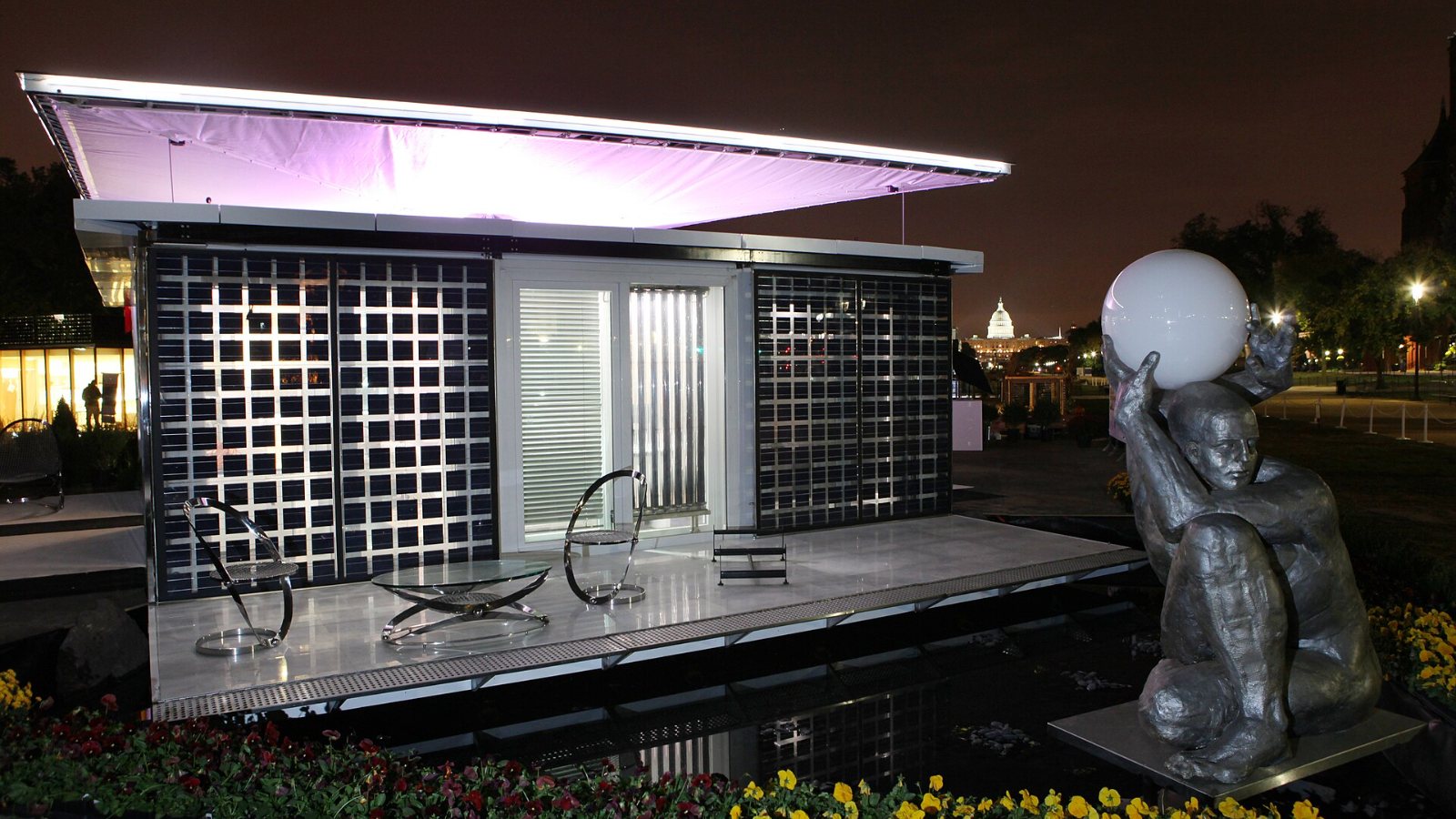
Cover photo: “Team Spain’s solar-powered house glows at night during the lighting design contest” by U.S. Department of Energy Solar Decathlon, public domain, via Wikimedia Commons.
Questions or a correction?
If something in this guide is unclear, out of date or does not match what your city told you, send me a message. Include the source if you have one.