The short answer: On a lot with an existing multifamily building, California requires cities to allow at least one converted ADU, and up to 25 percent of the existing units, inside space that is not used as living space, such as storage rooms, attics, basements and garages. The lot can also take detached ADUs: up to eight, but no more than the number of existing units, or two on a lot where the building is only proposed. Both routes can be combined, with no parking requirement and ministerial approval.
Last verified: October 29, 2026 · Written by Marc
This guide explains Government Code section 66323 as amended by SB 543, in force since January 1, 2026. It is general information, not legal advice. Building codes still decide whether a particular space can become a dwelling, so confirm your project with your city.
Apartment and condo owners often assume ADU laws are only for single-family homes. In California, they are not. State law gives owners of duplexes, fourplexes and larger buildings two routes to add homes: converting space inside the building that nobody lives in, and building new detached units on the lot. The numbers depend on how many units already exist. This guide explains both routes, the limits, the fees, a worked example for several building sizes and how to plan your project.
Two ways to add ADUs to a multifamily lot
Section 66323(a)(3) and (a)(4) set two routes:
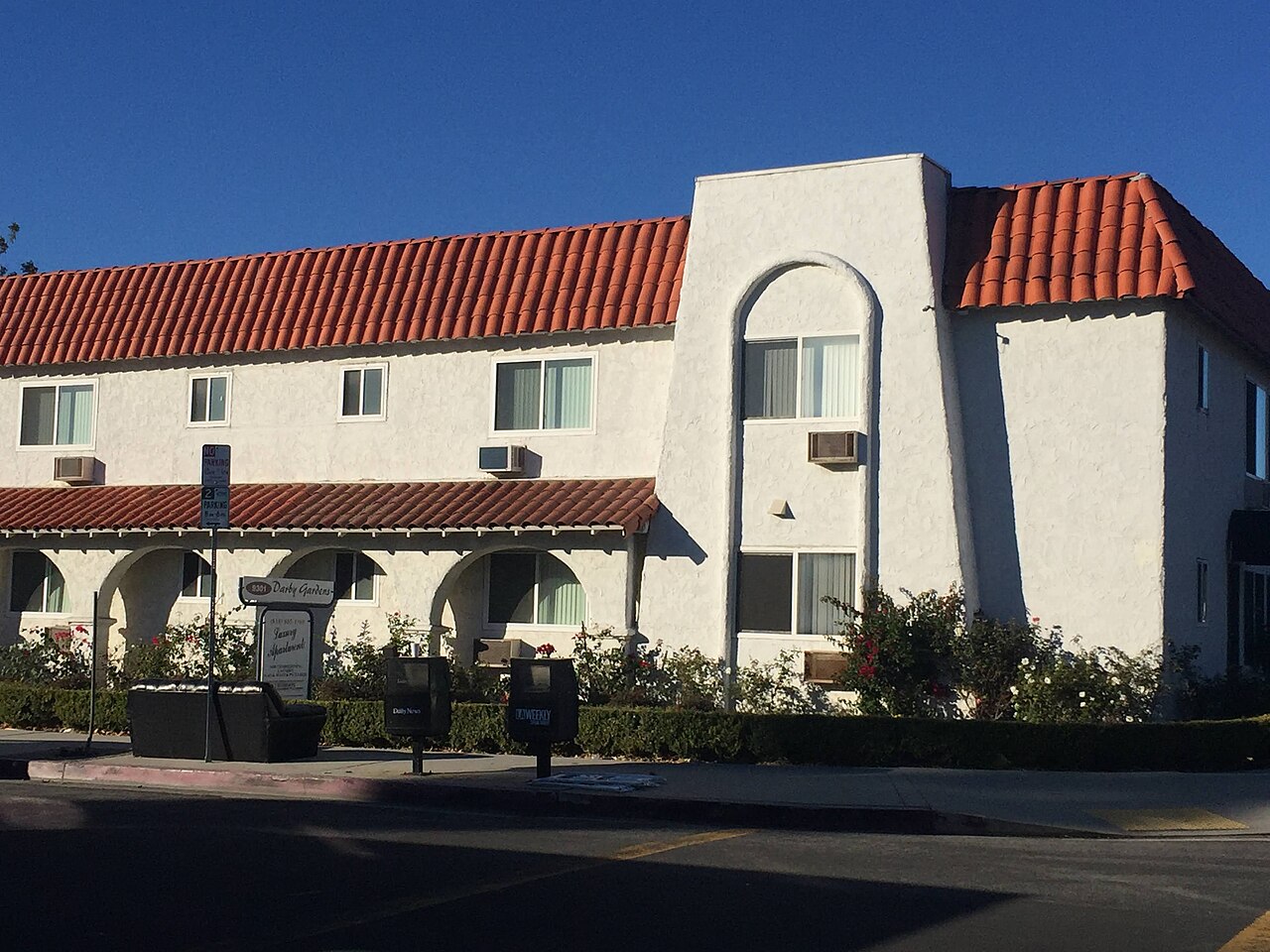
- Converted ADUs go inside the existing building, in space not used as livable space.
- Detached ADUs are new buildings, separate from the multifamily structure.
Both are approved ministerially, and section 66323(b) says a city cannot impose any objective development or design standard that the section does not authorize on a unit that meets its requirements. That keeps lot size, open space, floor-area ratio and design rules from being used to block them.
A duplex counts as a multifamily dwelling for these purposes, according to the HCD handbook’s guidance on JADUs, which are not allowed on multifamily lots.
Converted ADUs: what space qualifies and how many
Section 66323(a)(3) allows multiple ADUs within the portions of an existing multifamily building “that are not used as livable space, including, but not limited to, storage rooms, boiler rooms, passageways, attics, basements, or garages,” as long as each unit complies with state building standards for dwellings. The HCD handbook also lists spaces such as gyms, enclosed parking and leasing offices.
The count: a city must allow at least one converted ADU and up to 25 percent of the existing units. The statute does not say how to round a fraction, so on a six-unit building, where 25 percent is 1.5, ask the city in writing how many it will approve.
Common mistake: planning to convert an existing apartment or part of one. The conversion route covers space that is not used as livable space. Dividing a unit that people already live in is a different project, and HCD has said it is not treated as a conversion of non-livable space.
Detached ADUs: how many, how close, how tall
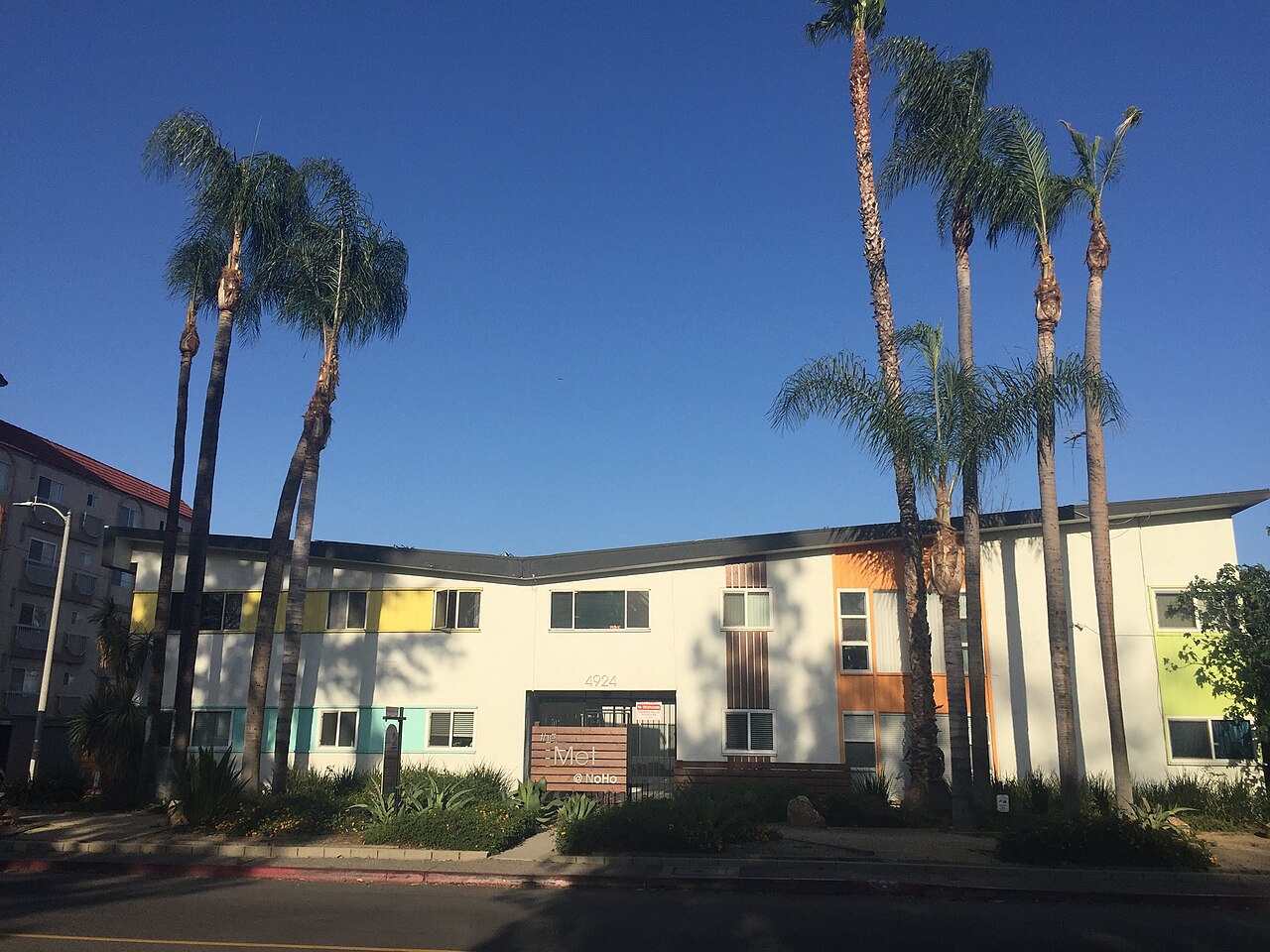
Section 66323(a)(4) sets the limits for new detached units:
| Situation | Detached ADUs allowed | Setbacks | Height floor |
|---|---|---|---|
| Lot with an existing multifamily building | Up to 8, but no more than the number of existing units | No more than 4 feet side and rear | 18 feet next to a multistory multifamily building; 16 feet otherwise |
| Lot with a proposed multifamily building | Up to 2 | No more than 4 feet side and rear | Same as above |
Two details matter. If the existing building sits closer than 4 feet to a side or rear line, the city cannot require changes to it as a condition of approving the ADUs. And the height comes from section 66321(b)(4): 16 feet for a detached ADU, 18 feet on a lot with a multistory multifamily dwelling, and 18 feet plus 2 for a matching roof pitch within half a mile walking distance of a major transit stop or high-quality transit corridor. Our guide to ADU height limits explains the transit test.
What a lot could add: worked examples
| Existing units | Converted ADUs (at least 1, up to 25%) | Detached ADUs (up to 8, capped at existing units) | Total ADUs possible |
|---|---|---|---|
| 2 (duplex) | 1 | 2 | 3 |
| 4 | 1 | 4 | 5 |
| 6 | 1 (25% is 1.5; ask how the city rounds) | 6 | 7 |
| 12 | 3 | 8 | 11 |
| 20 | 5 | 8 | 13 |
These are arithmetic from the statute, not a city’s published count. The detached cap is always the smaller of eight and the number of existing units, so it stops growing at eight units. Cities can also allow more ADUs under their own ordinance under section 66314, subject to objective standards.
Practical tip: Before you design, walk the building with your designer and list every non-livable space with its size, ceiling height and access: storage, laundry, boiler rooms and garages. The space with the easiest exit and plumbing usually becomes the first converted ADU.
Parking, sprinklers, rent and fees
- Parking: no parking standard can be imposed on a section 66323 unit.
- Sprinklers: not required for an ADU if they are not required for the primary residence, and building the ADU cannot trigger sprinklers in the existing multifamily building (§ 66323(d)).
- Rentals: units created under section 66323 must be rented for terms longer than 30 days (§ 66323(e)).
- Impact fees: none for an ADU of 750 sq ft or less of interior livable space; larger units pay in proportion (§ 66311.5(c)).
- Utility fees: an ADU built from existing space is not treated as a new residential use for connection fees unless it is built with a new single-family home, and any charge must be proportionate to its burden (§ 66311.5).
- JADUs: not allowed on multifamily sites (§ 66333(a)).
Fees for your city are in ADU impact fees and ADU permit cost by city.
Los Angeles as an example
Los Angeles applies the state rule. Zoning Administrator Memo 143 (Revision 1) describes converting non-livable space into ADUs on lots with existing multifamily buildings, up to 25 percent of the units and at least one, and adding detached ADUs up to the state limits. Local overlays, fire hazard areas and coastal rules can still matter, so check your parcel. Our Los Angeles ADU rules guide covers the rest.
The 2025 changes also removed the former section 66323(g), which had let cities with a multifamily ADU ordinance adopted by July 1, 2018, apply their own objective standards to multifamily ADUs. If your city’s older ordinance still lists lot size or design rules for multifamily ADUs, ask whether it has been updated.
How to plan ADUs on a multifamily lot
- Count the existing units to find the conversion and detached caps.
- List the non-livable spaces and check each against building code needs, such as exits and ceiling height.
- Site the detached units with 4-foot side and rear setbacks.
- Check the height floor for your lot, including the transit test.
- Check utilities and fire access for the added units.
- Keep each unit at 750 sq ft or less if you want to avoid impact fees.
- Ask the city how it rounds 25 percent and confirm the count in writing.
Frequently asked questions
How many ADUs can I add to a fourplex in California?
On the arithmetic in section 66323, at least one converted ADU, because 25 percent of four units is one, and up to four detached ADUs, because detached units cannot exceed the number of existing units. That is up to five ADUs. Each converted unit must be in non-livable space and meet building standards, and the detached units need 4-foot side and rear setbacks.
Can I convert a garage in an apartment building into an ADU?
Yes. Section 66323(a)(3) lists garages among the non-livable spaces in an existing multifamily building that can become ADUs, up to 25 percent of the existing units and at least one. Each unit must comply with state building standards for dwellings, and the city cannot require replacement parking for a garage converted into an ADU.
Can I add a JADU to a duplex?
No. JADUs are limited to single-family residences, and section 66333(a) ties them to lots zoned for single-family homes with a single-family residence. The HCD handbook treats a duplex on one lot as multifamily, so the routes available are converted ADUs in non-livable space and detached ADUs.
Do I need parking for ADUs on a multifamily lot?
No. A city cannot impose parking standards on a unit created under section 66323, which covers both converted and detached ADUs on multifamily lots. Converting a garage also cannot trigger a requirement to replace those spaces. Coastal zone lots can still face Coastal Act rules, so check if your building is near the coast.
Are there impact fees for multifamily ADUs?
Not for an ADU of 750 sq ft or less of interior livable space, under section 66311.5(c). Larger ADUs pay in proportion to the primary building. Permit, plan-check and school fees are separate, and utility charges must be proportionate to the burden each unit adds. Ask your city for a written estimate per unit.
The bottom line
ADUs on multifamily lots in California follow two routes: converted ADUs in non-livable space, at least one and up to 25 percent of the existing units, and detached ADUs, up to eight but no more than the existing units, or two on a proposed building. Both are ministerial, with no parking requirement, 4-foot setbacks for detached units and rentals longer than 30 days.
Your next step is to count your units, list the non-livable spaces and ask the city to confirm the count in writing. Then compare the single-family rules in two ADUs on one lot and the full state rules in California ADU laws in 2026.
Sources
- Cal. Gov. Code § 66323
- Cal. Gov. Code § 66321
- Cal. Gov. Code § 66311.5
- Cal. Gov. Code § 66333
- HCD: ADU Handbook (March 2026)
- Los Angeles City Planning: ZA Memo 143, Revision 1
General information, not legal advice. Local rules vary and change; confirm with your planning department.
Cover photo: “St. Andrews Bungalow Court, Los Angeles” by Los Angeles, CC BY-SA 3.0, cropped, via Wikimedia Commons.
Questions or a correction?
If something in this guide is unclear, out of date or does not match what your city told you, send me a message. Include the source if you have one.