The short answer: A prefab ADU is not automatically cheaper. One California builder’s 2026 guide puts prefab and modular units at $200 to $400 per sq ft delivered and $180,000 to $320,000 all-in, which overlaps the lower half of its $240,000 to $380,000 range for site-built detached units. The factory saves time on the building itself, but the foundation, crane, site work and utility connections still have to be paid for. In California, factory-built units follow the Energy Code like any new home, while HUD-labeled manufactured homes follow different rules.
Last verified: October 29, 2026 · Written by Marc
This guide compares published 2026 cost ranges and California rules. It is general information, not financial or legal advice. Cost figures come from one builder’s guide, so treat them as orientation and compare installed prices from real bids.
Prefab ADUs are marketed as faster, simpler and cheaper. Some of that is true: building in a factory avoids weather delays and can shorten the time on site. But the price on a prefab company’s website is rarely what the finished unit costs. The lot still needs a foundation, a utility trench, a crane or delivery path and a permit. This guide explains where the money goes in each route, how California treats factory-built and manufactured units, and how to compare quotes fairly.
Prefab, modular, manufactured: what the words mean
The labels overlap in marketing, but they matter for permits:
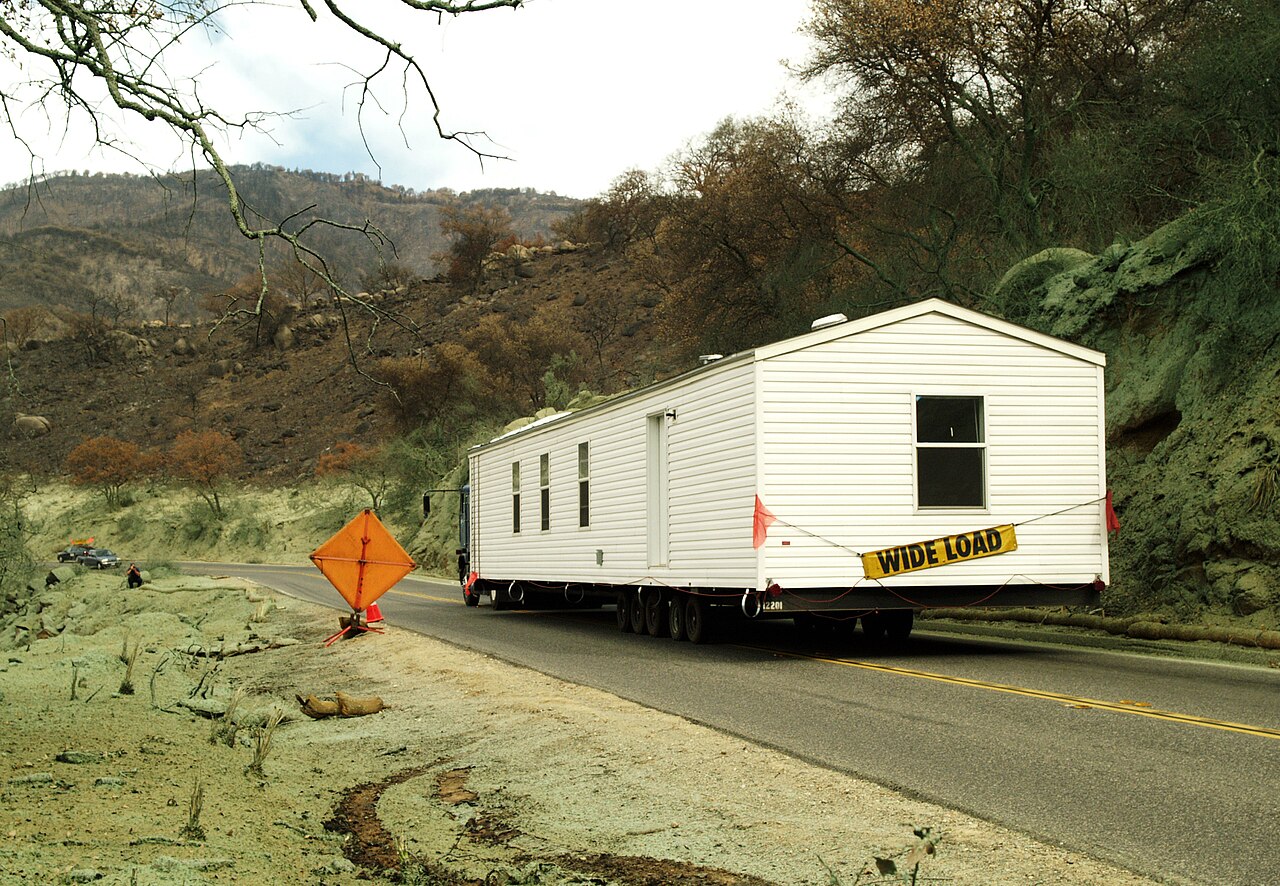
- Factory-built or modular: built in sections in a factory and assembled on a permanent foundation. The California Energy Commission says a factory-built house used as an ADU must comply with Title 24, Part 6, the Energy Code, like any new home.
- Manufactured home: a home built to the federal HUD code and carrying a HUD label. The Energy Commission says these must meet Title 25 and are not subject to the Energy Code.
- Panelized or kit: wall and roof panels made off site and assembled on site, usually permitted like site-built construction.
California’s ADU law covers both main types. Section 66313(a) defines an ADU as a unit with complete independent living facilities and says it also includes “a manufactured home, as defined in Section 18007 of the Health and Safety Code.”
What each route costs
ADU Scale, a California builder, publishes these ranges in its June 2026 guide. They are one vendor’s estimates, not a survey.
| Route (ADU Scale, June 2026) | Per sq ft | Total project |
|---|---|---|
| Prefab or modular, delivered | $200 to $400 | $180,000 to $320,000 all-in |
| Backyard detached, site-built | $300 to $550 | $240,000 to $380,000 |
| Garage conversion | $250 to $450 | $120,000 to $220,000 |
The overlap is the key point. At the low end, prefab can save money; at the high end, its all-in range reaches into the site-built range. The same builder adds that hillside or historic-overlay lots run $500 to $700 per sq ft for new detached work, and site conditions affect a prefab unit as much as a site-built one.
Common mistake: comparing a prefab company’s unit price with a contractor’s full bid. The unit price often leaves out the foundation, delivery, crane, utility connections, permits and finish work on site. Compare the total installed price, line by line.
Where the money goes on a prefab project
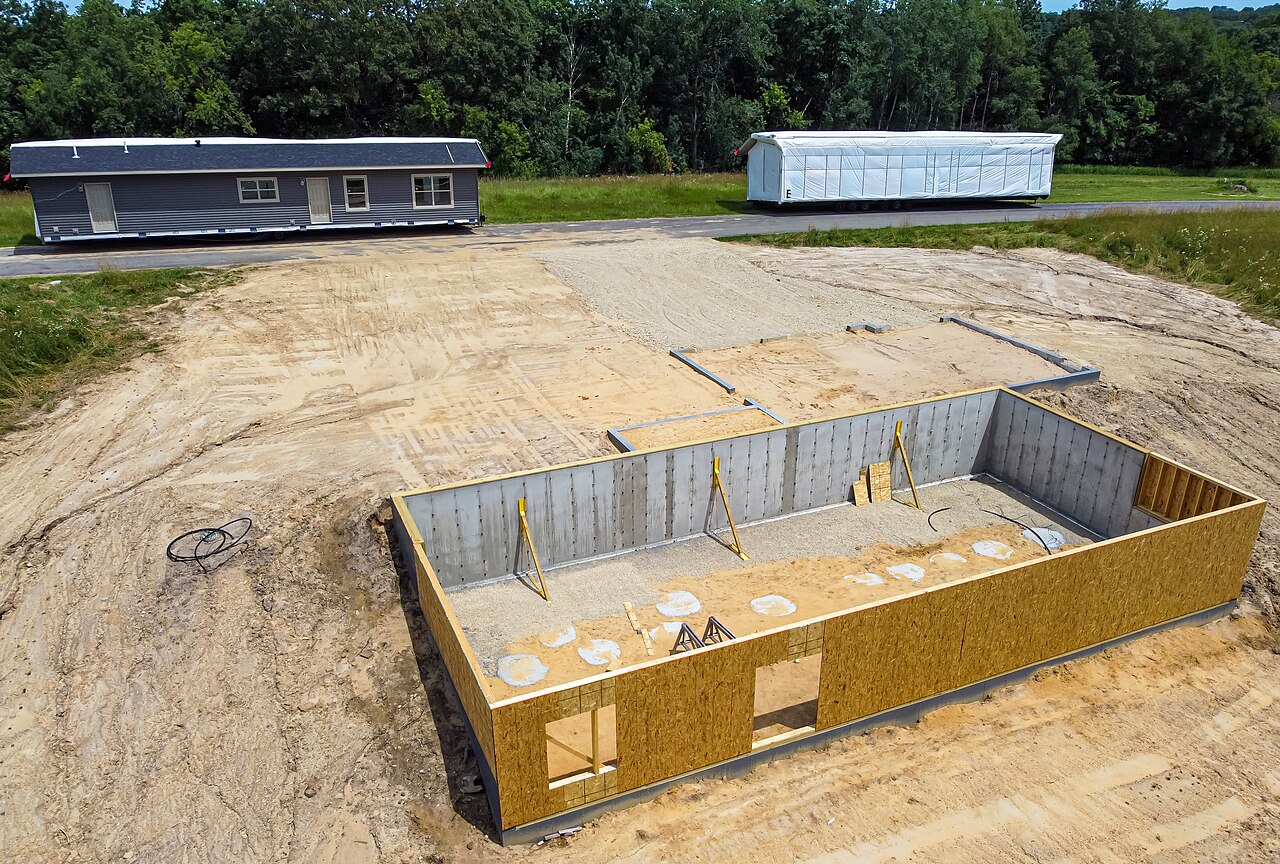
A prefab ADU moves part of the work into the factory, but these items stay on site:
- Design and permits: site plan, foundation design and the city’s review.
- Foundation: a slab or perimeter foundation built to the unit’s specifications.
- Delivery and crane: transport and setting the modules, which depends on street access and overhead lines.
- Utility connections: sewer, water and electric runs from the house to the unit. One contractor guide puts trenching at $50 to $150 per linear foot.
- Site work: grading, drainage, paths and restoring the yard.
- Finish work: connecting modules, stairs, decks and inspections.
On a typical lot, the utility line alone can be meaningful: a 60-foot run at $50 to $150 per foot is $3,000 to $9,000 for the trench before any connection fees. Our guide to hidden ADU costs and utility hookups covers each line.
Rules that apply either way
Most California ADU rules do not depend on how the unit was built:
- Size and setbacks: a new detached ADU of up to 800 sq ft with 4-foot side and rear setbacks must be approved.
- Impact fees: none at 750 sq ft or less.
- Solar: a new detached ADU needs newly installed panels under the 2025 Energy Code, unless an exception applies; factory-built units are included, HUD-labeled manufactured homes are not subject to the Energy Code.
- Contractor rules: in California, the company installing the unit on your lot needs the right contractor’s license, and home improvement payments are limited.
That last point is easy to miss with prefab. A factory may build the unit, but someone has to pour the foundation, connect utilities and set the modules. Check that company’s license before you pay, as explained in our guide to checking an ADU contractor’s license.
Practical tip: Ask every prefab company for a written list of what its price includes and what you or a local contractor must provide. Then get a local quote for the excluded items before you sign, so the two numbers add up to a real total.
When prefab makes sense, and when it does not
| Situation | Prefab often fits | Site-built often fits |
|---|---|---|
| Flat lot with easy street access | Yes: delivery and crane are simple | Also fine |
| Tight backyard, no crane access | Harder | Yes |
| Standard floor plan is acceptable | Yes | Either |
| Custom design for an odd lot | Limited | Yes |
| You want a short time on site | Yes | Usually longer on site |
| Hillside or unusual foundation | Possible, but costs rise | Often simpler to adapt |
Pre-approved plans offer a middle path. Many cities publish pre-reviewed site-built designs that cut design time and permit review without factory delivery. Our guide to pre-approved plans and design costs compares the options.
How to compare a prefab quote with a site-built bid
- Use the same floor area and finish level in both quotes.
- List every item from foundation to final inspection, and mark who provides it.
- Add local quotes for anything the prefab price excludes.
- Check site access for delivery and a crane.
- Check licenses for every company working on your lot.
- Compare payment schedules: home improvement down payments in California are limited to $1,000 or 10%, whichever is less, unless the contractor has a qualifying blanket bond.
- Compare the totals, not the headline prices.
Frequently asked questions
Is a prefab ADU cheaper than a site-built one?
Not automatically. One California builder’s 2026 guide puts prefab and modular ADUs at $180,000 to $320,000 all-in, against $240,000 to $380,000 for a site-built backyard unit. The ranges overlap, because the foundation, delivery, crane, utility connections and site work cost money in both cases. Compare the total installed price for your lot, not the unit price.
Does a prefab ADU need a building permit in California?
Yes. A prefab ADU is still an ADU on your lot, so it needs a permit and the city’s review, including the foundation, utilities and site plan. California’s ADU law applies to it like any other unit, and its definition of an ADU includes manufactured homes. Factory-built units must also comply with the Energy Code, according to the California Energy Commission.
Does a prefab ADU need solar panels?
If it is a new detached factory-built ADU, generally yes: the 2025 Energy Code requires newly installed solar for newly constructed detached ADUs, unless an exception applies, such as a required size under 1.8 kWdc. A HUD-labeled manufactured home must meet Title 25 instead and is not subject to the Energy Code. Our guide to ADU solar requirements explains the details.
Is a manufactured home allowed as an ADU in California?
Yes. Government Code section 66313(a) says an ADU includes a manufactured home as defined in Health and Safety Code section 18007. It still needs a permit, a foundation and utility connections, and it must meet the size, setback and other ADU standards. The Energy Commission notes that manufactured homes follow Title 25 rather than the Energy Code.
How long does a prefab ADU take?
The factory can shorten the time on site, but the permit, foundation and utility work still follow the local timeline. California cities have 15 business days to check completeness and 60 days to decide a complete application, and those steps apply to prefab units too. Ask each company for its factory lead time and add the permit and site schedule on top.
The bottom line
A prefab ADU can save time on site, but it is not automatically cheaper: on one builder’s 2026 ranges, prefab units run $180,000 to $320,000 all-in, overlapping the site-built range. The foundation, delivery, utilities and site work stay on site either way. Factory-built units follow the Energy Code like any new home, and California’s ADU law covers manufactured homes too.
Your next step is to get one prefab quote and one site-built bid on the same floor area, list every item from foundation to final inspection and compare totals. Build the comparison with our ADU budget breakdown and check the costs in what an ADU costs in California.
Sources
- Cal. Gov. Code § 66313 (definitions)
- California Energy Commission: 2025 Energy Code ADU FAQs
- ADU Scale: California ADU cost guide (builder, updated June 2026)
- IMKAT Construction: ADU utility connections
- CSLB: What Is a Contract?
General information, not legal or financial advice. Rules and prices change; confirm with the agency or professional involved.
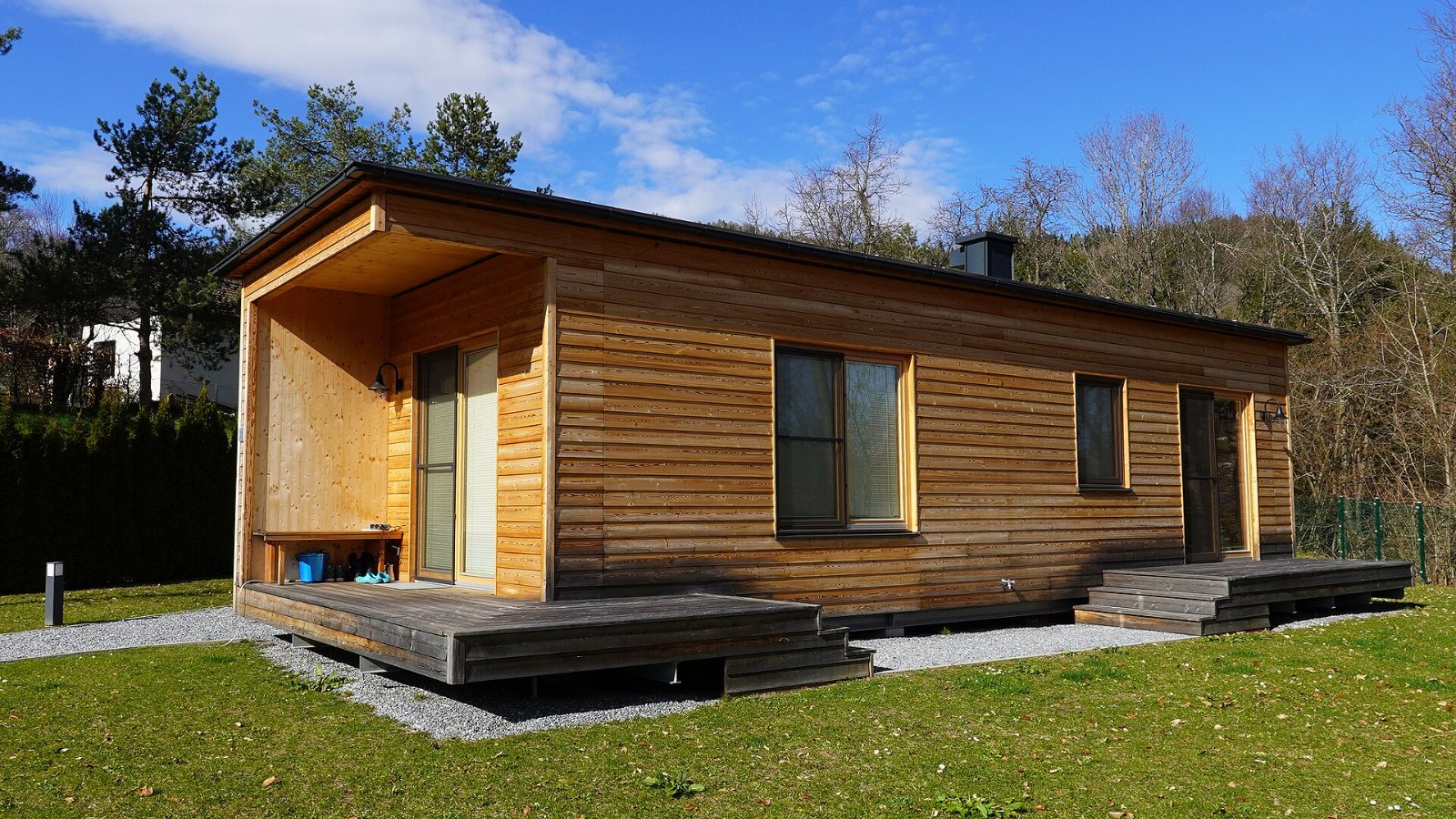
Cover photo: “Tiny house, Wohnbox, Ludmannsdorf, Kärnten” by Naturpuur, CC BY-SA 4.0, cropped, via Wikimedia Commons.
Questions or a correction?
If something in this guide is unclear, out of date or does not match what your city told you, send me a message. Include the source if you have one.