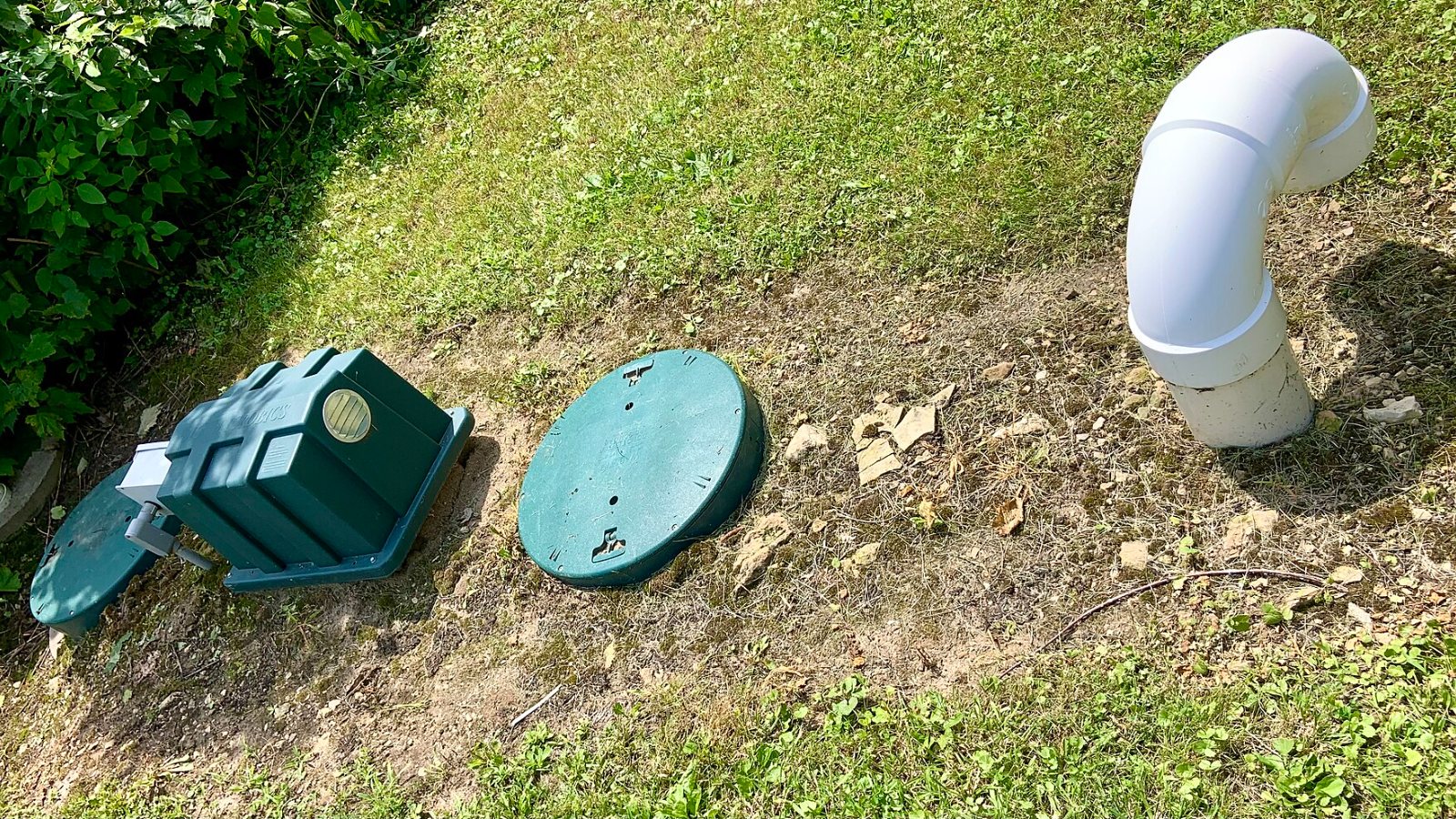
The short answer: Often, yes, but the septic system usually decides it. An ADU adds wastewater, and a system designed for one household can be overloaded by two. In California, a city may require a percolation test from the last five years (ten if recertified). Maine requires proof of adequate subsurface disposal before occupancy, Vermont’s ADU definition requires sufficient wastewater capacity, and Washington’s rural ADUs need septic documentation. Expect an evaluation and, sometimes, a larger system.
Last verified: October 29, 2026 · Written by Marc
This guide summarizes state rules verified on October 29, 2026, and federal guidance on how septic systems work. It is general information, not engineering or legal advice. Septic rules are applied by county or local health departments, so start with yours.
Rural and semi-rural lots are some of the best places for an ADU: more space, fewer neighbors and often a family that wants a parent or adult child close by. They are also where the house runs on a septic system instead of a city sewer. That changes the first question. On a sewered lot, the question is zoning. On a septic lot, it is whether the ground can handle the extra water. This guide explains why, what different states require and the steps to check your own system.
Why septic capacity decides
The EPA describes how a conventional system works. Wastewater from the house drains into a buried septic tank, which holds it long enough for solids to settle. The liquid then flows into a drainfield, a shallow, covered excavation in unsaturated soil, where the soil filters it before it reaches groundwater.
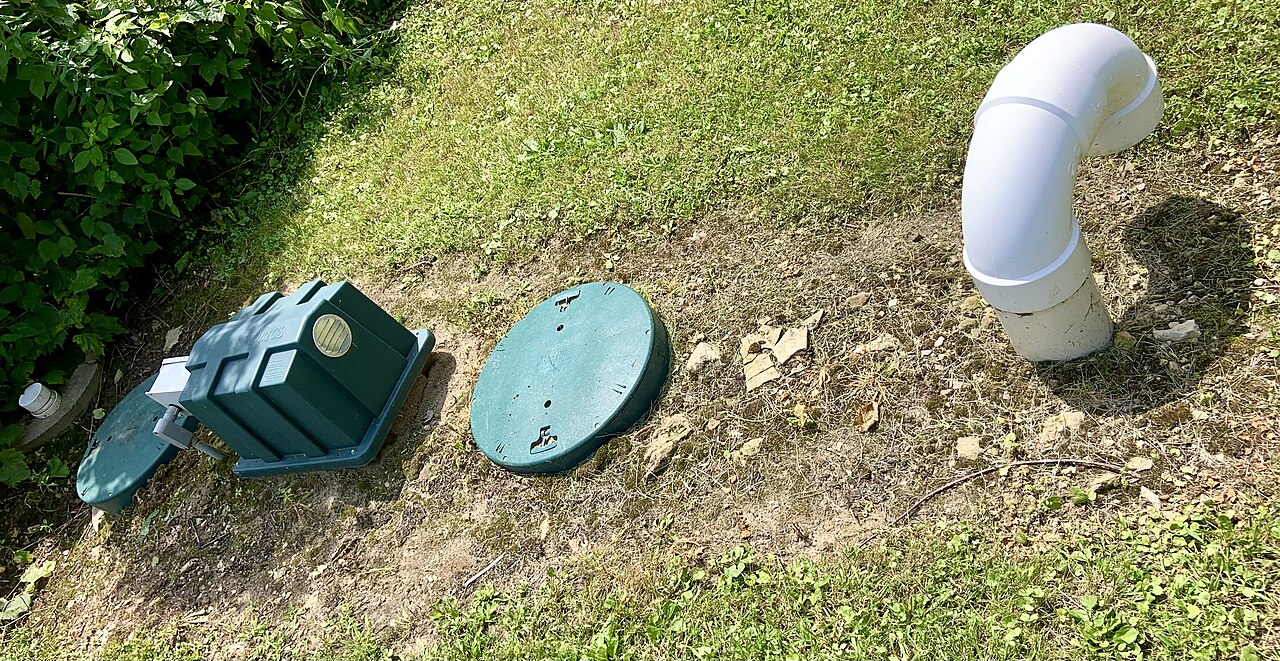
An ADU adds a kitchen, a bathroom and the people who use them, so it adds wastewater to that process. The EPA warns that “if the drainfield is overloaded with too much liquid, it can flood,” which can push sewage to the surface or back into the house. That is why every state rule below focuses on capacity, not just on whether a septic system exists.
Water use matters day to day as well. The EPA notes that efficient water use “improves the operation of a septic system and reduces the risk of malfunctions,” and that a single leaky or running toilet can send up to 200 extra gallons a day into the system.
What states require
| State | Septic rule for ADUs | Source |
|---|---|---|
| California | A city may require a percolation test completed within the last 5 years, or 10 years if recertified, for an ADU connected to an onsite wastewater treatment system | Gov. Code § 66323(f) |
| Maine | Before a certificate of occupancy, proof of adequate subsurface wastewater disposal, verified by the local plumbing inspector, with plans by a licensed site evaluator | 30-A MRSA § 4364-B(7)(B) |
| Vermont | A unit is an ADU under the state definition only if the property has sufficient wastewater capacity | 24 V.S.A. § 4303(38) |
| Washington (rural ADUs under EHB 1345) | Septic documentation showing the system can handle the added demand | EHB 1345 final bill report |
| Colorado | Lots without water and sewer service or with an inadequate well are outside the state mandate | HB24-1152, per DOLA |
| Montana | Cities may require will-serve letters from municipal water and sewer systems | MCA 76-2-345(7) |
Two patterns stand out. States that guarantee ADUs still let the wastewater question override the guarantee: Colorado excludes some lots entirely, and Vermont builds capacity into the definition. And states that require proof put it at the end, before occupancy, as Maine does, so a project can be designed and built before the septic answer is final unless you check early.
Common mistake: treating the septic system as a utility you connect to at the end. On a septic lot, capacity can decide the ADU’s size, number of bedrooms and location, so the evaluation belongs at the start of design, before plans are drawn.
What a percolation test tells you
A percolation test measures how quickly water soaks into the soil, which tells a designer how large a drainfield the site needs. California’s section 66323(f) lets a city ask for one when you apply for an ADU connected to an onsite system, but it limits how old the test can be: completed within the last five years, or within the last ten if it has been recertified.
That limit protects owners from paying for a new test when a recent one exists. If your system was installed or tested in the last few years, find the report before you spend money on a new one.
Planning an ADU around a septic system
A septic lot changes several design decisions:
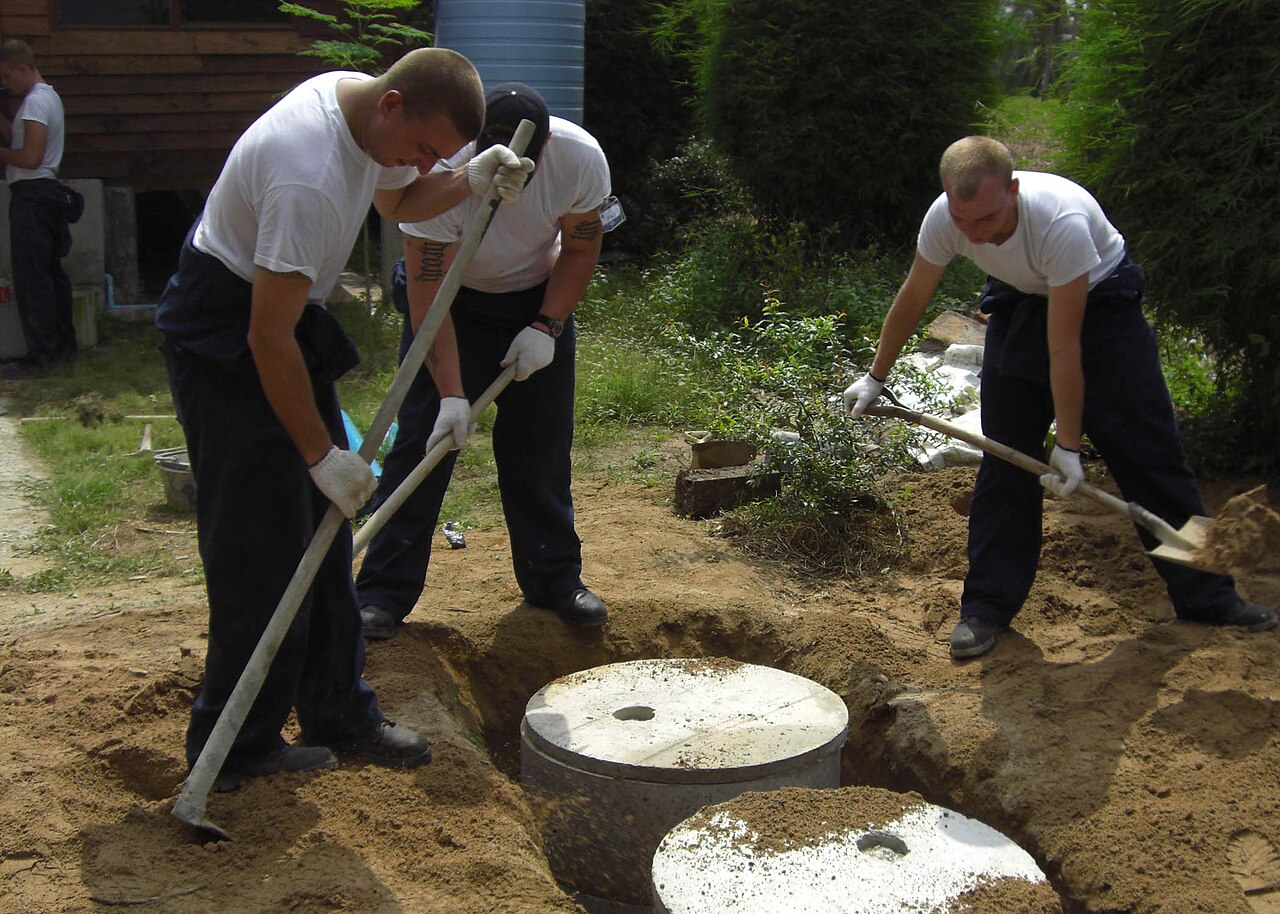
- Size and bedrooms: health departments often size systems by bedrooms or expected flow, so a studio can be easier to approve than a two-bedroom unit.
- Location: the ADU and its pipes must stay clear of the tank, the drainfield and any reserve area.
- Separation from wells: if the property has a well, separation distances between the well and the septic system apply.
- Shared or separate system: connecting the ADU to the existing system is cheaper if it has capacity; a separate system may be needed if it does not.
- Maintenance: the EPA says household systems should be inspected at least every three years and tanks are typically pumped every three to five years. A system serving two households may need more attention.
Practical tip: Ask your county health department for the permit records of your existing system before you talk to a designer. The design capacity on that permit, often stated in bedrooms or gallons per day, is the number your ADU plan has to fit within, or exceed with an upgrade.
Washington’s rural ADU law shows how the factors combine. Under EHB 1345, a county that allows rural ADUs requires septic documentation, metered water within domestic-use limits and placement within 150 feet of the main house on the same driveway. Our guide to Washington State ADU law covers the details.
How to check your lot step by step
- Find your system’s records: the original permit, design capacity and any inspection or pumping history.
- Have the system inspected by a septic professional, especially if it has not been checked in three years.
- Locate the tank, drainfield and reserve area on a site plan.
- Ask the health department how it evaluates an added unit and what it needs from you.
- Check for a recent percolation test before ordering a new one.
- Size the ADU to the capacity, or price an upgrade or a separate system.
- Read your state and local ADU rules, which may tie approval to the septic answer.
Frequently asked questions
Can I connect an ADU to my existing septic system?
Often, if the system has enough capacity for the added wastewater. The health department decides, usually based on the system’s design capacity and condition. If the existing system cannot handle two households, you may need to enlarge it or install a separate system for the ADU. An inspection and the original permit records are the starting point.
Does a California city require a perc test for an ADU on septic?
It may. Government Code section 66323(f) lets a city require, as part of the permit application for an ADU connected to an onsite wastewater treatment system, a percolation test completed within the last five years, or within the last ten years if the test has been recertified. A recent test you already have can satisfy that requirement.
Will a septic system limit the size of my ADU?
It can. Because capacity is tied to the wastewater a system can treat, health departments often look at bedrooms or expected flow. A smaller unit, such as a studio, adds less demand and can fit an existing system that a two-bedroom ADU would overload. Ask the health department how it sizes systems before you choose the floor plan.
What happens if my septic system fails after I add an ADU?
An overloaded drainfield can flood, the EPA warns, pushing sewage to the surface or backing it up into the home. That is a health problem and an expensive repair. To lower the risk, size the system for both households, use water efficiently, fix leaks promptly and keep to an inspection and pumping schedule: the EPA suggests inspection at least every three years.
Do other states allow ADUs on septic lots?
Most do, with conditions. Maine requires proof of adequate subsurface disposal before occupancy, Vermont requires sufficient wastewater capacity as part of its ADU definition, and Washington requires septic documentation for rural ADUs. Colorado’s mandate excludes lots without water and sewer service or with an inadequate well, leaving them to local rules.
The bottom line
You can often build an ADU on a septic system, but capacity decides: the system has to treat the wastewater of two households. California lets cities ask for a recent percolation test, Maine requires proof of adequate disposal before occupancy, Vermont builds wastewater capacity into its ADU definition and Washington requires septic documentation for rural ADUs.
Your next step is to find your system’s permit records, have it inspected and ask your health department how it evaluates an added unit, before any plans are drawn. Then check what your lot can hold in our 5-step property check and the costs in hidden ADU costs and utility hookups.
Sources
- Cal. Gov. Code § 66323
- Maine: 30-A MRSA § 4364-B
- Vermont: 24 V.S.A. § 4303
- Montana: MCA 76-2-345
- Washington: Final Bill Report, EHB 1345
- EPA: How Your Septic System Works
- EPA: How to Care for Your Septic System
General information, not legal advice. Local rules vary and change; confirm with your planning department.
Cover photo: “Septic tank image 01” by Wikideas1, CC0, via Wikimedia Commons.
Questions or a correction?
If something in this guide is unclear, out of date or does not match what your city told you, send me a message. Include the source if you have one.