The short answer: Connecticut’s law, C.G.S. § 8-2o (Public Act 21-29), requires zoning to allow at least one accessory apartment as of right on each lot with a single-family home, attached or detached, with a maximum size of at least 30% of the house or 1,000 sq ft, whichever is less. Towns must decide within 65 days and cannot require extra parking beyond one space or family ties. But towns could opt out by two-thirds votes before January 1, 2023, so the answer depends on your town, with a 2025 exception for transit-oriented districts.
Last verified: October 29, 2026 · Written by Marc
This guide summarizes C.G.S. § 8-2o as published by the Connecticut General Assembly on October 29, 2026. It is general information, not legal advice. Whether your town opted out is the first question, so confirm it with your zoning office.
Connecticut calls ADUs “accessory apartments,” and its 2021 law is one of the more detailed in New England: as-of-right approval, a size floor, a decision deadline, fee limits and a long list of requirements towns cannot impose. It also came with an exit. Towns had a window to opt out, and the law only applies fully where they did not. This guide explains what the law requires, how the opt-out worked, what changed in 2025 and how to find out where your town stands.
What counts as an accessory apartment
Section 8-1a defines an accessory apartment as a separate dwelling unit that is located on the same lot as a principal dwelling unit of greater square footage, has cooking facilities and complies with, or is otherwise exempt from, building, fire and health and safety regulations.
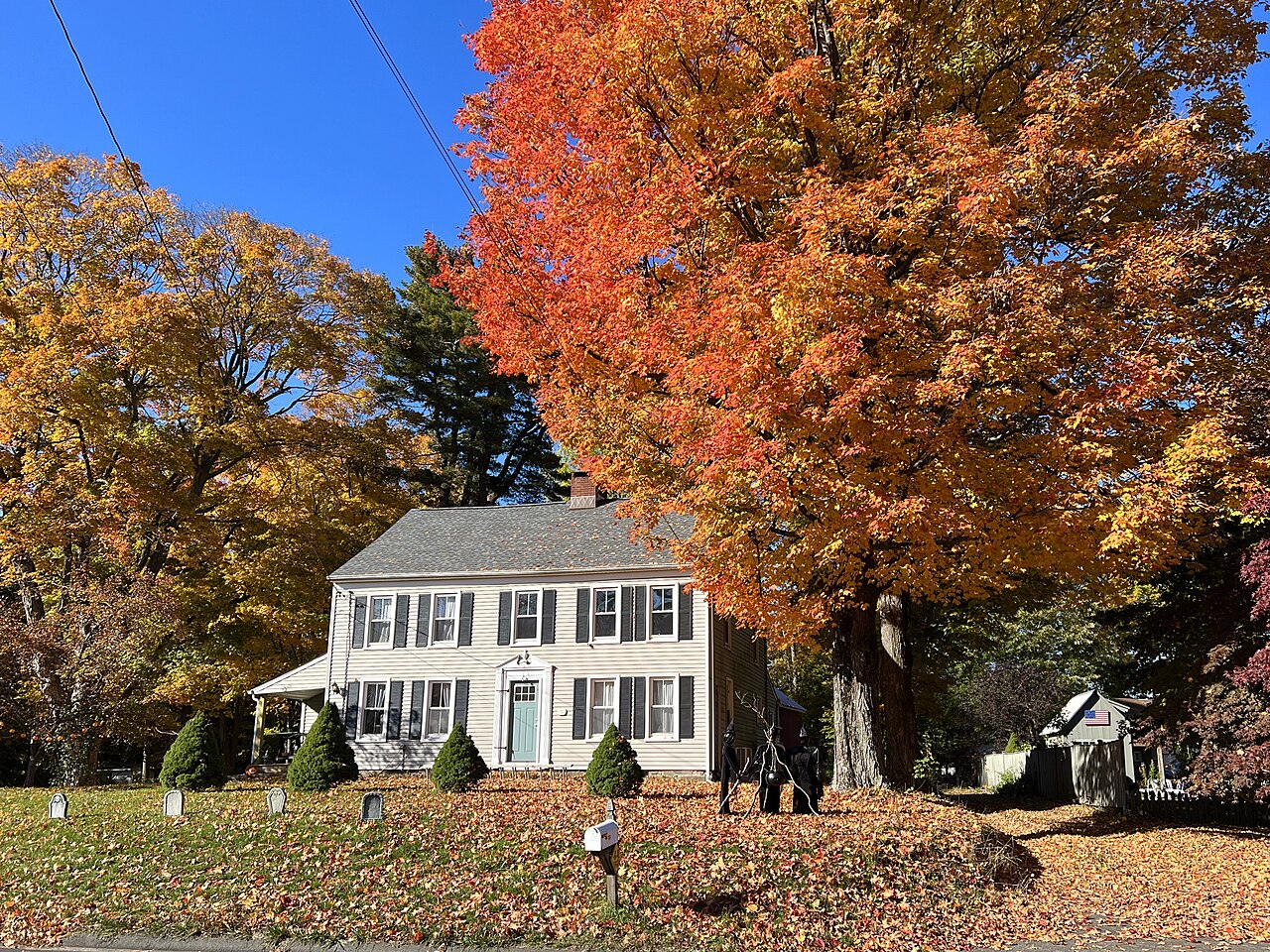
It can be attached to or within the existing or proposed principal dwelling, or detached on the same lot. In practice, that covers a basement or attic apartment, an addition and a backyard cottage.
What zoning must allow
Where the law applies, section 8-2o(a) sets these minimum standards:
| Topic | What the regulations must do |
|---|---|
| Approval | Allow at least one accessory apartment as of right on each lot with a single-family dwelling; it cannot be required to be affordable |
| Size | Set a maximum net floor area of at least 30% of the principal dwelling’s net floor area or 1,000 sq ft, whichever is less; towns may allow more |
| Setbacks, lot size, frontage | No more than required for the principal dwelling |
| Lot coverage | At least what the principal dwelling is allowed |
| Height, landscaping, architecture | No stricter than for single-family dwellings |
| Decision time | A decision within 65 days of receiving the application, with extensions only with the applicant’s consent |
The size rule works the other way from many states. It sets the smallest maximum a town can adopt. On a hypothetical 2,000 sq ft house, 30% is 600 sq ft, so a town must allow an apartment of at least 600 sq ft. On a 4,000 sq ft house, 30% is 1,200 sq ft, so the 1,000 sq ft figure is the floor. Towns can allow larger.
What towns cannot require
Section 8-2o(a)(6) lists requirements towns cannot impose on an accessory apartment:
- A passageway between the apartment and the principal dwelling
- An exterior door, except where the building or fire code requires one
- More than one parking space, or fees in lieu of parking
- A familial, marital or employment relationship between the occupants
- A minimum age for occupants
- Separate billing of utilities already connected to the principal dwelling
- Periodic renewals of the permit
Subsections (c) and (d) add three more protections. A town cannot condition approval on correcting a nonconforming use, structure or lot. It cannot require fire sprinklers unless they are required for the principal dwelling or by the fire code. And no town, special district or water or sewer authority can treat an accessory apartment as a new residential use for connection fees or capacity charges, or require a new or separate utility connection, unless it is built with a new single-family home.
The statute leaves towns some room. Section 8-2o(a)(7) says nothing in it overrides the building code, a town’s ability to limit short-term or vacation rentals, or requirements for wells and private sewage systems. Approval “shall not be unreasonably withheld.”
Common mistake: assuming “no owner-occupancy rule” because other states have one. The Connecticut statute’s list of prohibited requirements does not mention owner occupancy, so check your town’s regulations for it.
The opt-out, and why your town matters
The law came with an opt-out in section 8-2o(f). A town’s zoning commission could start it by a two-thirds vote, after a public hearing, with the reasons stated on the record and a newspaper notice within 15 days. The town’s legislative body, or the board of selectmen in a town-meeting town, then had to complete it by its own two-thirds vote.
The window closed: on and after January 1, 2023, no town may opt out. For towns that did not opt out and did not update their rules by that date, subsection (e) makes noncompliant regulations null and void, and the town must apply the statute’s standards directly.
That leaves two kinds of towns:
- Towns that did not opt out: the statute’s standards apply, through updated regulations or directly.
- Towns that opted out: the as-of-right mandate does not apply, and local zoning decides, subject to the 2025 exception below.
Practical tip: Ask your zoning office one written question first: “Did this town opt out of C.G.S. 8-2o, and if so, when?” The answer tells you whether the rest of this guide applies to your lot.
The 2025 transit-oriented exception
The November 2025 housing law, Public Act 25-1 (HB 8002), created an exception for opted-out towns. According to the legislature’s official summary, owners in transit-oriented districts who have held their property for at least three years can build an accessory apartment as of right, even where the town opted out.
A 2026 bill to repeal the opt-out entirely, HB 5507, was tabled in April 2026 and did not pass. For now, the opt-out stands outside those districts.
How to check your Connecticut lot
- Ask whether your town opted out of section 8-2o.
- If it opted out, ask whether your lot is in a transit-oriented district under Public Act 25-1, and how long you have owned it.
- If it did not, read the town’s accessory apartment regulations against the statute.
- Measure the house to find the minimum size the town must allow.
- Check septic and well rules if the lot is not on public sewer and water.
- Ask about short-term rental limits if you plan nightly stays.
- Expect a decision within 65 days of a complete application.
Frequently asked questions
Does Connecticut require towns to allow ADUs?
Yes, unless the town opted out before January 1, 2023. C.G.S. § 8-2o requires zoning regulations to allow at least one accessory apartment as of right on each lot with a single-family dwelling, attached or detached. Towns could opt out by two-thirds votes of the zoning commission and the legislative body. Since 2025, owners in transit-oriented districts have an exception even in opted-out towns.
How big can an accessory apartment be in Connecticut?
The statute sets a floor for the town’s maximum: at least 30% of the principal dwelling’s net floor area or 1,000 sq ft, whichever is less. A town must therefore allow at least 600 sq ft next to a 2,000 sq ft house, and at least 1,000 sq ft next to a house of about 3,334 sq ft or more. Towns may allow larger apartments.
Does an accessory apartment need parking in Connecticut?
A town cannot require more than one parking space for an accessory apartment, or fees in lieu of parking, under section 8-2o(a)(6). It also cannot require an exterior door beyond what the building or fire code requires, or a passageway to the main house. In opted-out towns, local zoning decides parking, so ask your zoning office.
How long does a Connecticut town have to decide?
Under section 8-2o(b), an application under the as-of-right process must receive a decision within 65 days of receipt. The applicant can consent to extensions of up to 65 additional days each, or withdraw the application. Approval cannot be unreasonably withheld, and a town cannot condition it on correcting a nonconforming use, structure or lot.
Do I pay new utility connection fees for an accessory apartment?
Generally not. Section 8-2o(d) bars towns, special districts and water or sewer authorities from treating an accessory apartment as a new residential use for connection fees or capacity charges, and from requiring a new or separate utility connection, unless the apartment is built with a new single-family dwelling on the same lot. Wells and private sewage systems still follow their own rules.
The bottom line
Connecticut ADU law requires towns to allow at least one accessory apartment as of right on lots with a single-family home, with a size floor of 30% of the house or 1,000 sq ft, whichever is less, a 65-day decision and limits on parking, utility fees and sprinkler rules. Towns could opt out before 2023, so your town’s choice decides, with a 2025 exception in transit-oriented districts.
Your next step is to ask your zoning office whether your town opted out, then measure your house and read its regulations. Compare Connecticut with neighboring states in ADU laws by state and see how owner-occupancy rules differ.
Sources
- Connecticut General Statutes, chapter 124 (§§ 8-1a and 8-2o)
- Connecticut General Assembly: Public Act 25-1 (HB 8002) summary
Neighboring New England state: Massachusetts ADU law.
General information, not legal advice. Local rules vary and change; confirm with your planning department.
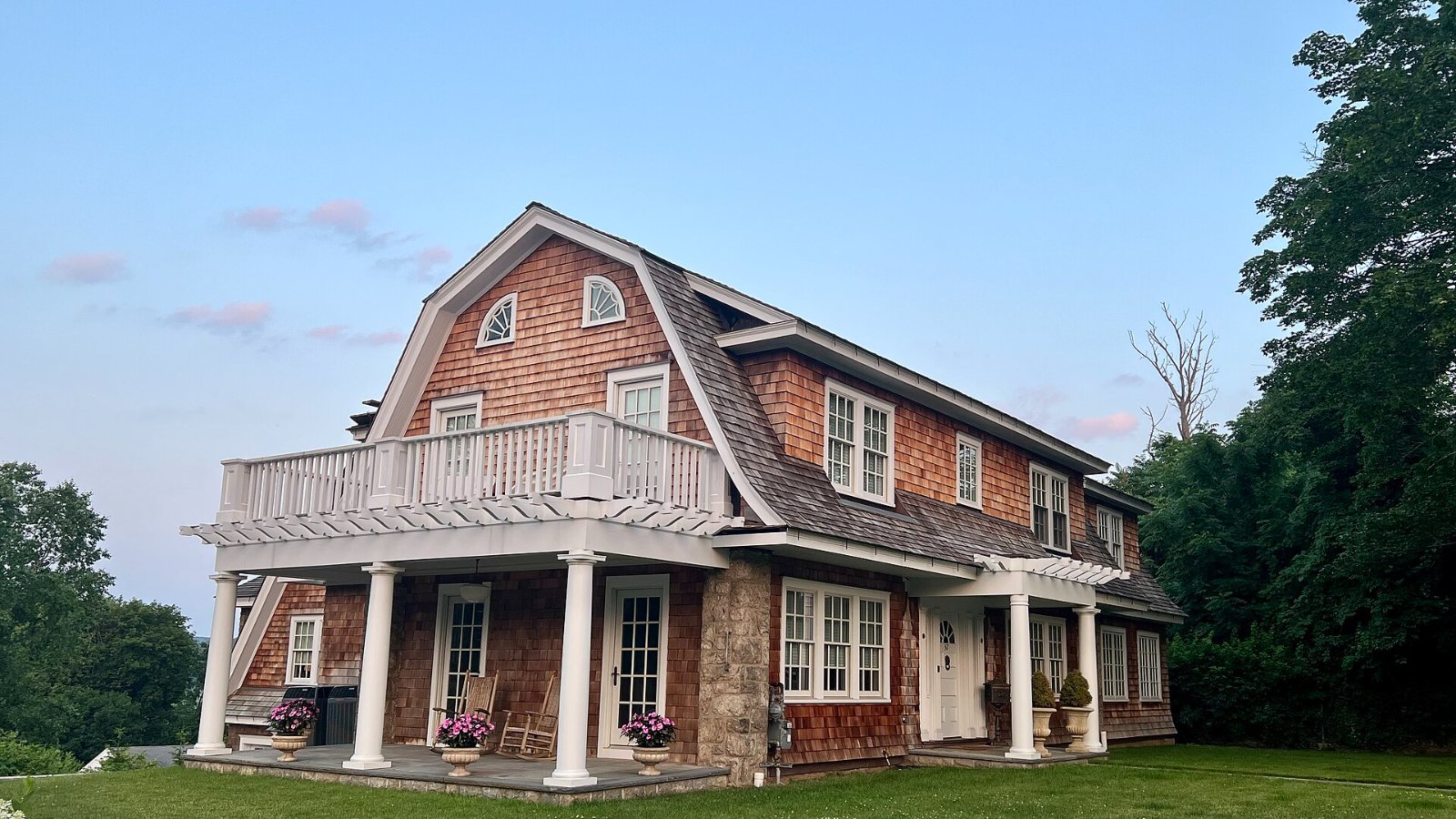
Cover photo: “Dutch Colonial Danbury CT” by CityLimitsJunction, CC0, via Wikimedia Commons.
Questions or a correction?
If something in this guide is unclear, out of date or does not match what your city told you, send me a message. Include the source if you have one.