The short answer: Montana’s ADU law, MCA 76-2-345 (SB 528 of 2023), requires every municipality to allow at least one ADU by right on a lot with a single-family home: attached, detached or internal. A city can cap attached and detached units at 75% of the house or 1,000 sq ft, whichever is less. It cannot require extra parking, owner occupancy, matching design or impact fees, and its ADU application fee is capped at $250 per unit. Cities may still regulate short-term rentals.
Last verified: October 29, 2026 · Written by Marc
This guide summarizes MCA 76-2-345 as published by the Montana Legislature on October 29, 2026. It is general information, not legal advice. Your city’s code applies the statute, so confirm the details with your planning office.
Montana’s law is short, and that is its strength. Where other states spread ADU rules across several sections, Montana puts them in one: what cities must allow, what they cannot require, what they may still charge and what happens if they did not update their codes. For an owner in Missoula, Bozeman, Billings or a smaller town, that makes the state floor easy to check. This guide walks through each part, with a worked example and the questions to ask your city.
What every Montana city must allow
Subsection (1) requires a municipality to allow at least one ADU by right on a lot with a single-family home. By right means the city approves it if it meets the rules, without a discretionary hearing.
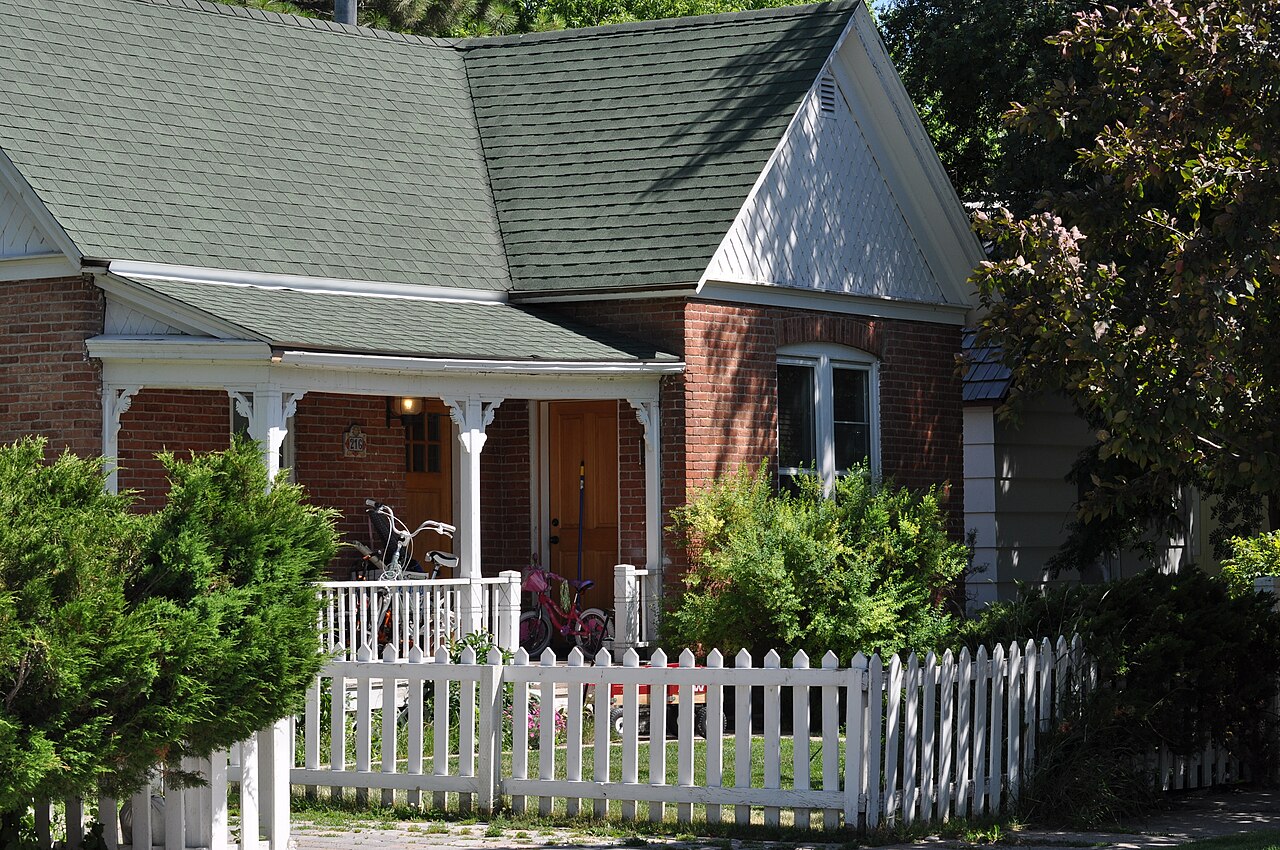
The ADU can take three forms:
- Internal: inside the existing house, such as a basement apartment
- Attached: an addition to the house
- Detached: a separate building, such as a backyard cottage or a unit over a garage
The statute defines an ADU as “a self-contained living unit on the same parcel as a single-family dwelling of greater square footage,” with its own cooking, sleeping and sanitation facilities, that complies with or is exempt from Montana’s building, fire and public health codes. Unlike some states, Montana applies the rule to every municipality, with no population threshold.
The size cap: 75% or 1,000 sq ft
For attached and detached ADUs, a city can cap the size at 75% of the main home’s gross floor area or 1,000 sq ft, whichever is less.
| Main house size | 75% of the house | Size cap the city can apply |
|---|---|---|
| 800 sq ft | 600 sq ft | 600 sq ft |
| 1,200 sq ft | 900 sq ft | 900 sq ft |
| 1,334 sq ft or more | 1,000 sq ft or more | 1,000 sq ft |
| 2,400 sq ft | 1,800 sq ft | 1,000 sq ft |
The table shows that the house, not the lot, is what limits the ADU in Montana. A small house produces a small cap, even on a large lot. Any house of about 1,334 sq ft or more reaches the 1,000 sq ft ceiling. The statute also lets cities adopt rules more permissive than this section, so a city can allow larger units.
Common mistake: reading 1,000 sq ft as a guaranteed size. It is the most a city can be required to allow, and only if the house is big enough. On a 1,000 sq ft house, the cap is 750 sq ft.
What cities cannot require
Subsection (2) lists what a municipality cannot impose on an ADU. It removes most of the barriers older ordinances used:
- Additional parking or parking fees
- Matching exterior design, such as roof pitch, siding or materials that copy the house
- Owner occupancy, meaning the owner does not have to live in the house or the ADU
- A family, marital or employment relationship between the occupants
- Impact fees
- Street improvements, beyond repairing streets the project disturbs
- Stricter standards for height, setbacks, lot size, coverage or frontage than for the main home
- Restrictive covenants recorded as a condition of the ADU permit
Two of these matter most in practice. No owner-occupancy rule means you can rent both the house and the ADU long term, or live elsewhere. And no impact fees removes a charge that, in states without this rule, can run into thousands of dollars.
What cities can still do
The statute leaves cities several tools:
- Short-term rentals: subsection (3) lets municipalities regulate them, so nightly rentals of an ADU depend on local rules.
- A one-time application fee: up to $250 per ADU, plus the usual building permit fees.
- Will-serve letters: a city may require letters from both the municipal water system and the municipal sewer system confirming they can serve the unit.
- Building, fire and health codes: the section does not override the codes adopted under Title 50, chapter 2.
- More generous rules: cities may adopt standards more permissive than the statute.
Practical tip: Ask your city’s water and sewer departments for the will-serve letters before you finalize plans. The statute lets the city require both, and a capacity problem is easier to solve at the design stage than after you have paid for drawings.
What happens if your city has not updated its code
Subsection (5) sets a deadline that has passed. Municipalities that had not adopted compliant rules by January 1, 2024, must review and permit ADUs under the state section until they do, and noncompliant ADU regulations in effect on or after that date are void.
In practice, that means a city code that still requires owner occupancy, extra parking or matching design for ADUs cannot be enforced against you. If a city page still shows those rules, ask the planning office in writing which provisions it applies, and cite MCA 76-2-345.
A worked example
Take a hypothetical lot in a Montana city with a 1,200 sq ft house and room in the backyard.
- Size: 75% of 1,200 sq ft is 900 sq ft, below 1,000, so the city can cap a detached ADU at 900 sq ft.
- Parking: none can be required.
- Setbacks and height: no stricter than for the main house.
- Fees: an application fee of up to $250, plus building permit fees; no impact fees.
- Utilities: the city may ask for will-serve letters from water and sewer.
- Use: you can rent both units long term without living there; nightly rentals depend on local rules.
How to check your Montana lot
- Confirm the lot has a single-family home.
- Measure the house’s gross floor area and apply the 75% or 1,000 sq ft cap.
- Read your city’s ADU code and note anything stricter than the statute.
- Ask for will-serve letters from water and sewer.
- Check the short-term rental rules if you plan nightly stays.
- Check private covenants and HOA rules, which the statute does not cancel.
- Get the answers in writing.
Frequently asked questions
Does every Montana city have to allow ADUs?
Yes. MCA 76-2-345 requires each municipality to allow at least one ADU by right on a lot with a single-family dwelling, whether attached, detached or internal. The statute sets no population threshold. Municipalities that had not adopted compliant rules by January 1, 2024, must apply the state section directly, and their noncompliant ADU rules are void.
How big can an ADU be in Montana?
For attached and detached ADUs, a city can cap the size at 75% of the main home’s gross floor area or 1,000 sq ft, whichever is less. A 1,200 sq ft house allows a 900 sq ft ADU under that cap, and a house of about 1,334 sq ft or more reaches the 1,000 sq ft limit. Cities may allow larger units.
Do I have to live on the property in Montana?
No. MCA 76-2-345 bars municipalities from requiring owner occupancy, and from requiring a family, marital or employment relationship between the people living in the house and the ADU. You can rent both units long term. Short-term rentals are different: the statute lets cities regulate them, so check your local rules before you list a unit.
What fees can a Montana city charge for an ADU?
A one-time ADU application fee of up to $250 per unit, plus the usual building permit fees. The statute bars impact fees and parking fees, and bars requiring street improvements beyond repairing streets the project disturbs. Water and sewer connection charges set by the utility are a separate question, so ask about them when you request will-serve letters.
Can an HOA block an ADU in Montana?
The statute regulates municipalities, and it bars cities from requiring restrictive covenants as a condition of an ADU permit, but it does not say it cancels existing private covenants. Treat your HOA documents and deed restrictions as binding until an attorney tells you otherwise. Our guide to whether an HOA can block an ADU compares the states.
The bottom line
Montana ADU law requires every municipality to allow at least one ADU by right on a lot with a single-family home, capped at 75% of the house or 1,000 sq ft, whichever is less. Cities cannot require parking, owner occupancy, matching design, impact fees or stricter setbacks, and they can charge an application fee of up to $250. Short-term rentals stay local.
Your next step is to measure your house, apply the size cap and request will-serve letters from your city’s water and sewer systems. Then compare Montana with other states in ADU laws by state and check the wider rules in owner-occupancy rules for ADUs.
Sources
General information, not legal advice. Local rules vary and change; confirm with your planning department.
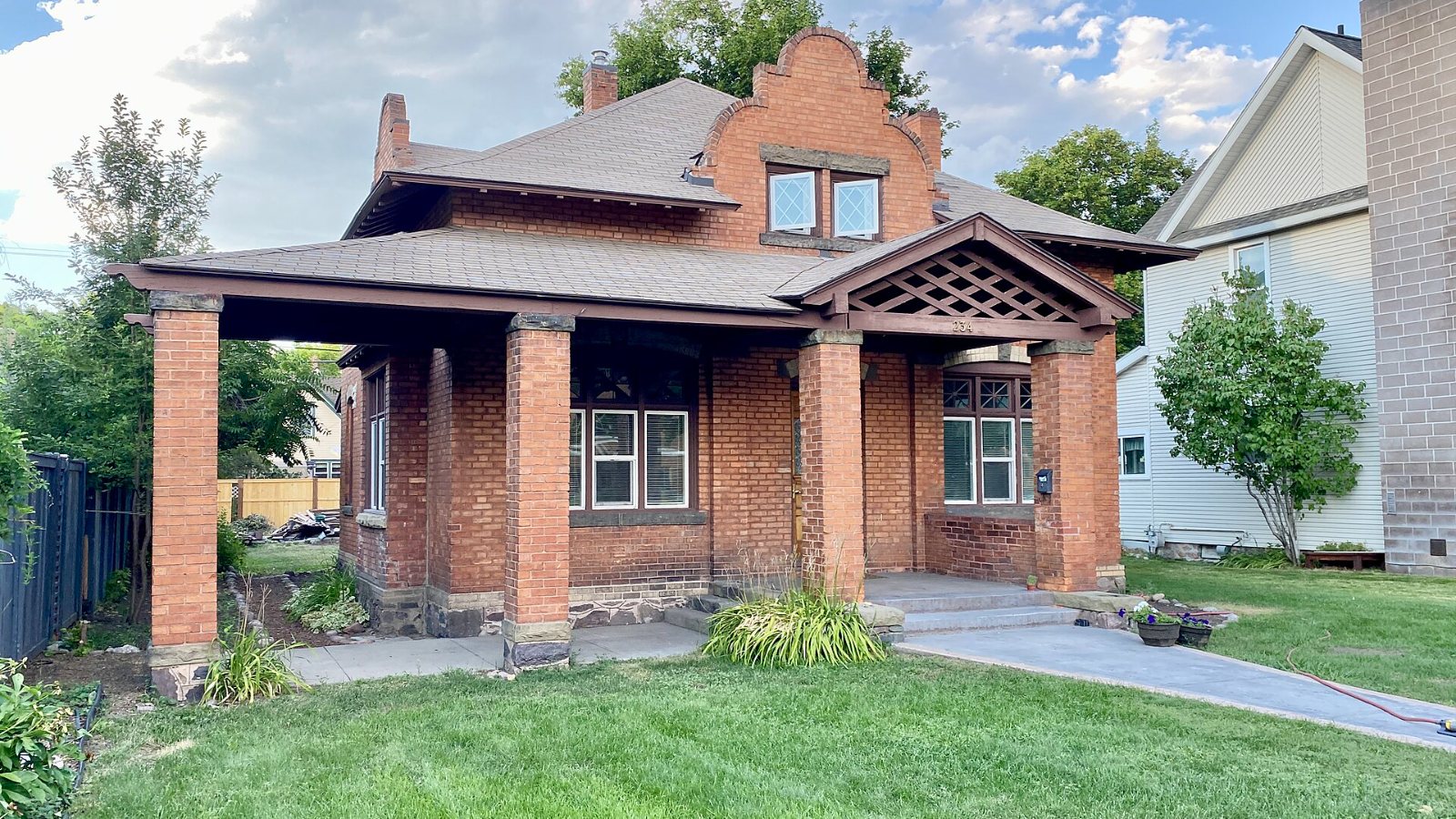
Cover photo: “Green House, 5th Street, Missoula, MT” by w_lemay, CC BY-SA 2.0, cropped, via Wikimedia Commons.
Questions or a correction?
If something in this guide is unclear, out of date or does not match what your city told you, send me a message. Include the source if you have one.