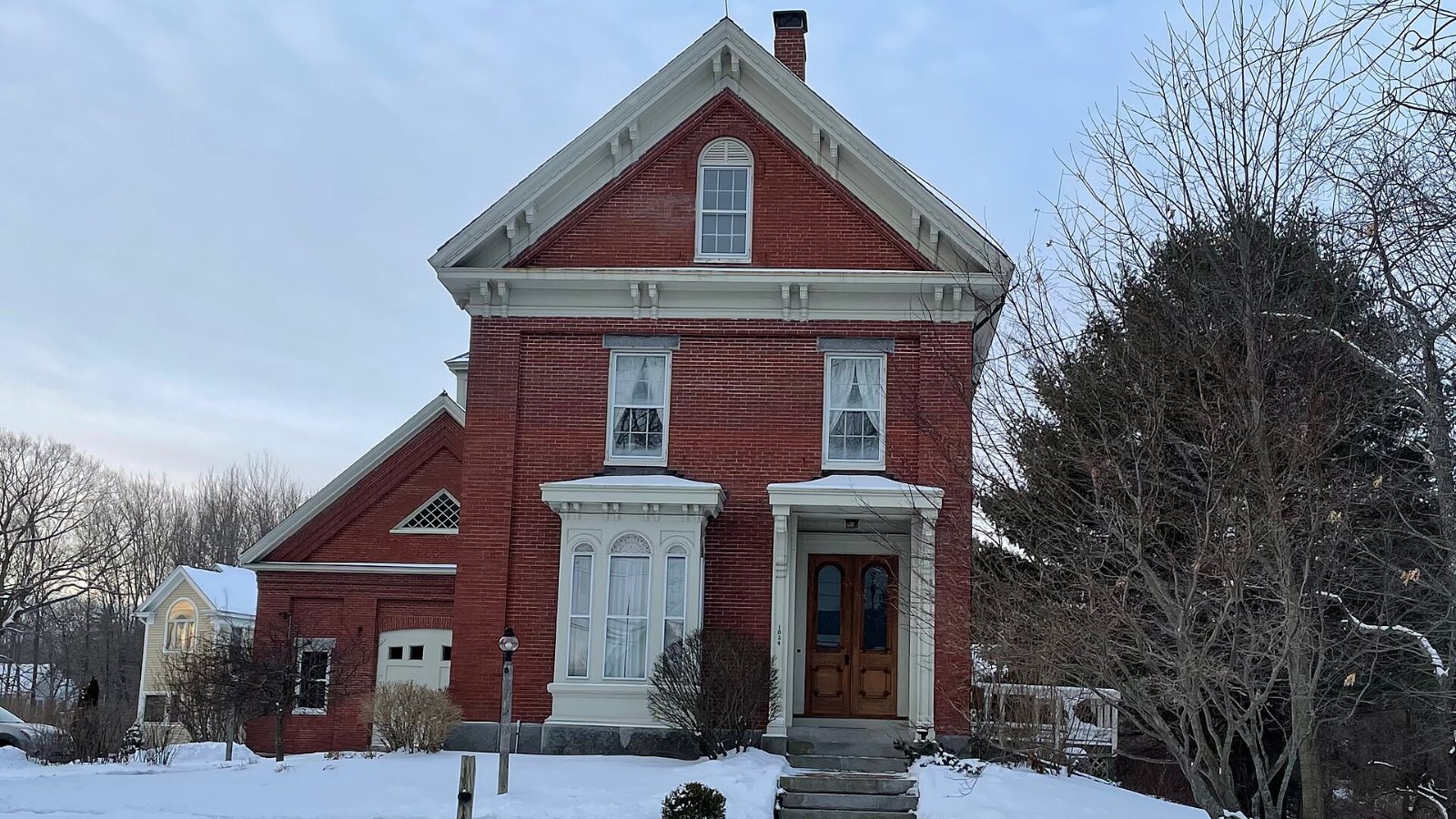
The short answer: Maine’s ADU law, 30-A MRSA § 4364-B, requires municipalities to allow at least one ADU on any lot whose principal structure is a single-family home or a two- or three-unit building, wherever housing is allowed. The ADU can be inside, attached or detached. Towns cannot require parking beyond what the house already needs or owner occupancy, the minimum size is 190 sq ft and towns may set a maximum. Before occupancy, you must prove adequate water and wastewater service.
Last verified: October 29, 2026 · Written by Marc
This guide summarizes 30-A MRSA § 4364-B as published by the Maine Legislature on October 29, 2026, including its 2025 amendments. It is general information, not legal advice. Your municipality applies the law, so confirm the details with your code enforcement officer.
Maine’s ADU law came out of the 2022 housing law often called LD 2003, and it has been amended several times since, most recently in 2025. It is broader than many state laws in one way: it covers lots with small multi-unit buildings, not only single-family homes. It is also unusually specific about wastewater, which matters in a state where many homes run on septic systems and wells. This guide explains what towns must allow, what they cannot require and the water and wastewater proof you need before anyone can move in.
Where Maine towns must allow an ADU
Subsection 1 requires municipalities to permit an ADU on the same lot as a single-family home or a two- or three-unit residential building, in any area where residential uses are allowed, including as a conditional use. Subsection 3 makes it concrete: at least one ADU must be allowed on any lot whose principal structure is one of those buildings.

Two details widen the rule:
- Nonconforming lots: an ADU must be allowed on a nonconforming lot if it does not further increase the nonconformity.
- Density: one ADU per lot must be exempt from density requirements or calculations, so it does not count against the lot’s allowed number of units.
The obligation began on an implementation date set in section 4364: January 1, 2024, for municipalities whose officers can enact ordinances without a vote, and July 1, 2024, for all others.
Three ways to build it
Subsection 2 allows an ADU only in one of three forms:
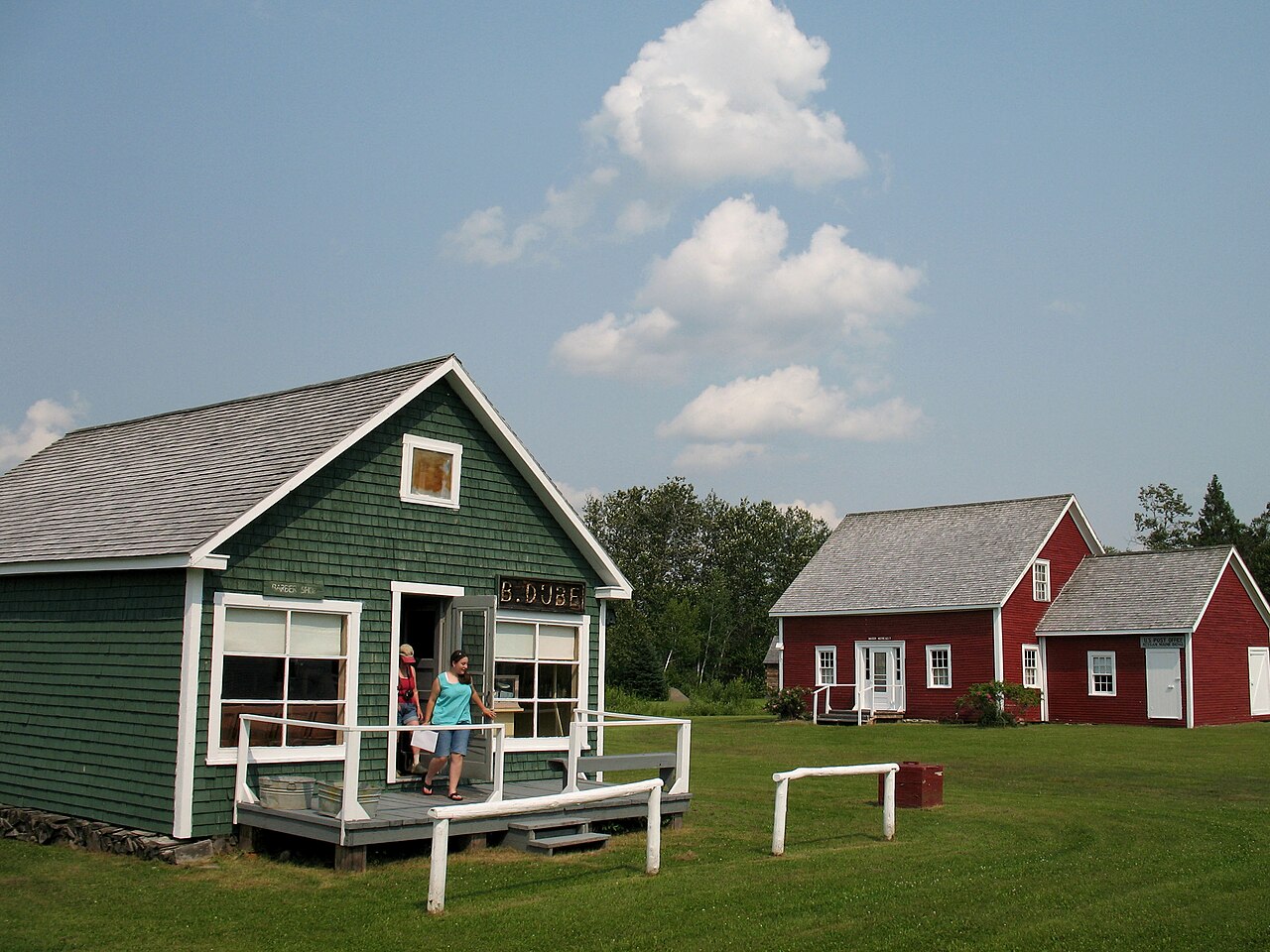
- Within an existing dwelling unit on the lot, such as a basement or attic apartment.
- Attached to, or sharing a wall with, a single-family or multi-unit building.
- As a new structure on the lot whose primary purpose is the ADU. This is the route for a detached unit.
ADUs built and certified for occupancy before the implementation date are not restricted by this subsection.
Setbacks, size and parking
| Topic | Rule in § 4364-B | Practical meaning |
|---|---|---|
| Setbacks and dimensions | For an ADU within, attached to or sharing a wall with a single-family home, the same as for that home | An attached unit follows the house’s rules |
| ADU in an existing accessory building | Follows the requirements for that structure | A garage conversion keeps the garage’s standards |
| Parking | No parking beyond what the single-family home already requires | No new space for the ADU |
| Owner occupancy | The town must allow an ADU even if the owner does not live on the lot | You can rent both units |
| Minimum size | 190 sq ft, unless the state building code board sets another minimum | A small studio can qualify |
| Maximum size | The municipality may set one | Check your town’s ordinance |
| More permissive rules | Towns may adopt them | Some towns allow more |
The size row is the one to check locally. The statute guarantees a minimum, but leaves the maximum to each town, so two Maine towns can allow very different ADUs.
Common mistake: assuming the state sets a maximum size. Section 4364-B sets only a 190 sq ft minimum and lets each municipality decide the maximum. Read your town’s ordinance before you choose a floor plan.
Water and wastewater: the proof you need
Subsection 7 is the part of Maine’s law owners most often overlook. Before a certificate of occupancy, the owner must give written verification of adequate water and wastewater service:
- Public or special district sewer: proof of adequate service and proof of payment for the connection.
- Septic system: proof of adequate subsurface wastewater disposal, verified by the local plumbing inspector, with plans prepared by a licensed site evaluator.
- Public or centrally managed water: proof of adequate service, payment for the connection and sufficient volume and supply.
- Private well: proof of access to potable water, with test results showing the supply is potable.
Once the local plumbing inspector verifies compliance, the municipality cannot require additional wastewater review before issuing the certificate of occupancy.
Practical tip: On a septic lot, hire the licensed site evaluator before you finalize the ADU design. The septic answer comes at the end of the process under the statute, but it can decide the unit’s size, so getting it first avoids paying for plans twice.
Our guide to building an ADU on a septic system explains why capacity decides so much.
Shoreland, flood zones and private covenants
A few areas follow their own rules:
- Shoreland zone: ADUs must meet the Department of Environmental Protection’s shoreland requirements and local shoreland ordinances, but a municipality cannot categorically ban ADUs there if they would otherwise comply.
- Coastal and flood areas: towns may exempt lots in coastal barriers, special flood hazard areas or coastal sand dune systems.
- Unpermitted ADUs: an ADU built without municipal approval must be allowed if it otherwise meets the town’s ADU requirements and the statute.
- Private restrictions: the section does not override valid private easements, covenants or deed restrictions that are more restrictive.
- Growth caps: an ADU permit does not count toward a municipal rate-of-growth ordinance.
How to check your Maine lot
- Confirm the principal structure: a single-family home or a two- or three-unit building.
- Choose the form: within, attached or a new detached structure.
- Read your town’s ADU ordinance for the maximum size and any more permissive rules.
- Check shoreland and flood status.
- Plan the water and wastewater proof: sewer and water connection proof, or septic plans by a licensed site evaluator and a potable well test.
- Check deed restrictions and covenants.
- Ask your code enforcement officer to confirm the path in writing.
Frequently asked questions
Do Maine towns have to allow ADUs?
Yes. Under 30-A MRSA § 4364-B, municipalities must allow at least one ADU on any lot whose principal structure is a single-family home or a two- or three-unit residential building, in areas where housing is allowed, including as a conditional use. The obligation started on January 1, 2024, or July 1, 2024, depending on how the municipality adopts ordinances.
Do I have to live on the property to build an ADU in Maine?
No. Section 4364-B(4)(E) says a municipality must allow the construction or occupancy of an ADU even if the owner of the lot does not live there. You can rent the main home and the ADU. Short-term rental rules are not addressed in the section, so check your municipality’s ordinances if you plan nightly stays.
How big can an ADU be in Maine?
The statute sets a minimum of 190 sq ft, unless the Technical Building Codes and Standards Board adopts a different minimum, and lets each municipality set a maximum size. There is no statewide maximum. An ADU within, attached to or sharing a wall with a single-family home follows that home’s setbacks and dimensional requirements, and towns may adopt more permissive standards.
Does an ADU need parking in Maine?
No additional parking. Section 4364-B(4)(C) says a municipality cannot require parking for an ADU beyond what is required for the single-family home on the lot. If the house already meets its own parking requirement, the ADU needs nothing more. Our guide to ADU parking requirements shows how California handles the same question.
Can I build an ADU on a lot with a septic system in Maine?
Yes, if the system is adequate. Before a certificate of occupancy, you must give proof of adequate subsurface wastewater disposal, verified by the local plumbing inspector, with plans prepared by a licensed site evaluator. Once the inspector verifies compliance, the municipality cannot require additional wastewater review. A private well needs proof of potable water from test results.
The bottom line
Maine ADU law requires towns to allow at least one ADU on lots with a single-family home or a two- or three-unit building, inside, attached or detached. Towns cannot require extra parking or owner occupancy, the minimum size is 190 sq ft and each town sets its own maximum. Before anyone moves in, you must prove adequate water and wastewater service, including septic plans by a licensed site evaluator where needed.
Your next step is to read your town’s ADU ordinance for the maximum size, then plan the water and wastewater proof before you finalize the design. Compare Maine with other states in ADU laws by state.
Sources
General information, not legal advice. Local rules vary and change; confirm with your planning department.
Cover photo: “Sherburn House, Portland, Maine” by Seasider53, CC BY 4.0, cropped, via Wikimedia Commons.
Questions or a correction?
If something in this guide is unclear, out of date or does not match what your city told you, send me a message. Include the source if you have one.