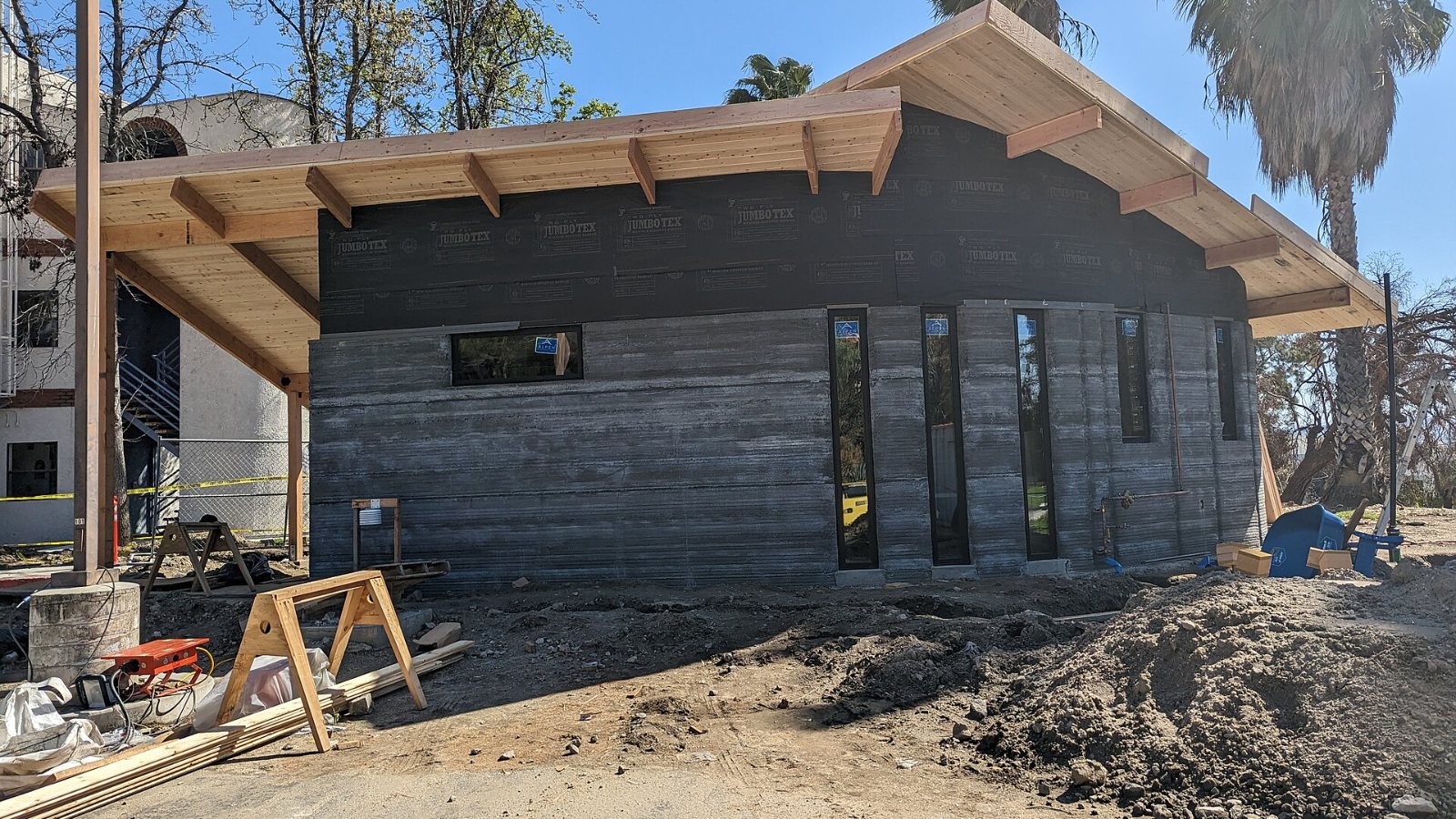
The short answer: Building an ADU in California requires a licensed contractor, because the work needs permits and costs far more than the $1,000 limit for unlicensed work. Before you sign, look the license up on the Contractors State License Board (CSLB) website, confirm it is active and in the right classification (usually “B” General Building), check its bond and workers’ compensation, and keep the down payment to 10% of the price or $1,000, whichever is less.
Last verified: October 28, 2026 · Written by Marc
This guide covers California rules published by CSLB. It is general information, not legal advice. Other states license contractors differently, so check your own state’s licensing board if you build elsewhere.
The contractor you choose decides most of what happens to your ADU budget. A good one keeps the permit, the inspections and the payments in order. A bad one can leave you with half a building, liens from unpaid suppliers and no one to call. Checking a license takes about ten minutes and is free. This guide shows exactly what to look up, how to read the result, what the contract must say and which warning signs should stop you before you pay anything.
Why an ADU always needs a licensed contractor
California lets unlicensed people do very small jobs. Since January 1, 2025, under AB 2622, the limit is $1,000. CSLB explains that the $1,000 “includes all costs associated with the project”: labor, materials and everything else. The exemption also disappears if the job needs a building permit or the person hires workers.
An ADU fails all three tests at once. It costs far more than $1,000, it always needs permits, and it takes a crew. That means whoever builds it as a contractor must hold a California license in the appropriate classification.
The penalties show how seriously the state treats this. CSLB lists administrative fines of up to $15,000, jail sentences of up to six months and fines of up to $5,000 for unlicensed contracting, with heavier penalties for repeat offenders. Those penalties fall on the unlicensed operator, but the practical risk falls on you: work that may not pass inspection, no license bond to claim against and little leverage if the job stops.
There is one alternative. As the owner, you can act as an owner-builder and pull the permit yourself. CSLB warns homeowners to “be wary of ‘consultants’ or unlicensed individuals” who push owner-builder status as a way to save money. If someone suggests it so that they can work without a license, treat it as a red flag.
Which license an ADU contractor needs
CSLB issues licenses by classification, and the right one depends on the work.
| License | What it covers | When it fits an ADU |
|---|---|---|
| “B” General Building | Projects that combine several trades on a building | New detached ADUs, attached ADUs and most conversions |
| “C” Specialty (for example electrical, plumbing, roofing) | One trade only | Subcontractors working under the B contractor, or a single-trade job |
CSLB’s rule of thumb is simple. A specialty contractor stays within its trade; the exception is a job that requires “more than two types of work on a building,” which calls for a licensed B contractor who can run the whole project and hire specialty subcontractors. An ADU involves framing, plumbing, electrical, roofing and more, so the company you sign with should normally hold a B license.
A specialty license is not a problem in itself. It only means that company should handle its own trade, not the whole ADU.
How to check the license step by step
The check is free on CSLB’s website, and you can also call CSLB at (800) 321-2752. Do it for the company you sign with, and ideally for the main subcontractors too.
- Get the license number in writing. Ask for it on the bid. CSLB notes that “seeing a license number doesn’t necessarily mean the license is valid,” so do not stop there.
- Search it on CSLB’s “Check a License” page. Use the number, not the company name, to avoid look-alike businesses.
- Confirm the name and address match. The business name on the license should match the name on the bid and the contract. CSLB’s license history shows the address of record.
- Check the status. It should be active. Anything else, such as suspended or expired, means you should not sign until it is resolved.
- Check the classification. For a full ADU, look for “B” General Building.
- Look at the bond. Licensed contractors must carry a $25,000 contractor license bond.
- Look at workers’ compensation. If the contractor has employees, California requires workers’ compensation insurance. The license record shows the insurance on file.
- Read any disciplinary history. Note complaints or actions and ask the contractor about them.
Practical tip: Take a screenshot of the license page on the day you sign and save it with your contract. If something changes during the build, you have a dated record of what the license showed when you hired the company.
What the license record does not tell you
A clean license is necessary, not sufficient. The record confirms that the company is allowed to work. It does not tell you whether the company is good at ADUs, financially stable or busy with ten other projects.
The bond is a good example. The $25,000 bond protects consumers, but CSLB warns it “is often not enough to cover multiple complaints” against one contractor, and a bond does not guarantee a contractor’s financial or professional competence. On a project that can cost several hundred thousand dollars, it is a safety net, not a guarantee.
To fill the gaps, CSLB suggests checking references. Useful ones include:
- Past ADU clients, ideally with projects finished in the last few years
- Material suppliers, who know whether the contractor pays on time
- Subcontractors, who know whether they get paid
- Financial institutions the contractor works with
Ask for general liability insurance too. If a company has none, CSLB suggests asking how any damage to your property would be covered. Also confirm that the contractor has a current business address and phone number.
Comparing bids and spotting red flags
CSLB recommends getting at least three written bids based on the same plans and scope of work. Same plans matter: you cannot compare a bid that includes utility trenching with one that leaves it out.
Do not accept the lowest bid automatically. CSLB says a bid “substantially lower than the others” can signal a mistake, missing work or substandard work. On an ADU, a low bid often means the site work, utility connections or permit fees were left out and will come back as change orders.
Warning signs that should make you stop:
- A license number that does not match the company name, or a status that is not active
- No business address or phone number
- No proof of insurance
- A request for a large payment before work starts
- Pressure to sign the same day
- A suggestion that you pull the permit as an owner-builder so they can work without a license
Our ADU budget breakdown lists the cost blocks a complete bid should include, which makes missing lines easier to spot.
Common mistake: comparing bids by total price alone. Put the bids side by side line by line: design, permits and fees, site work, utilities, construction and allowances. Two bids with the same total can cover very different work.
Payments and the written contract
California sets clear limits on how a home improvement contractor can be paid. Ask your contractor to confirm in writing that your ADU contract follows them.
- Down payment: CSLB says the down payment “cannot be more than $1,000 or 10 percent of the contract price, whichever is less,” excluding finance charges. On a $250,000 ADU, that means $1,000, not $25,000. The exception is a contractor with a Blanket Performance and Payment Bond on file with CSLB.
- Progress payments: payments “cannot exceed the value of the work performed,” apart from the down payment. Tie each payment to a finished stage, such as foundation, framing or rough inspections.
- Written contract: CSLB says a written contract is required for home improvement projects over $500.
According to CSLB, the contract should include:
- A detailed description of the work and the products to be used
- A written payment schedule
- Who will obtain the permits
- A completion date
- The contractor’s business address and license number
- Any warranty, in writing
Any change to the price or the scope needs a written change order signed by both sides. On an ADU, where surprises underground are common, that rule protects your budget more than any other.
Frequently asked questions
Does an ADU contractor need a license in California?
Yes. Since January 1, 2025, unlicensed people may only do jobs under $1,000 in total, and only if the work needs no building permit and they hire no workers. An ADU exceeds the price limit, requires permits and needs a crew, so anyone building it as a contractor must hold a California license in the appropriate classification, normally “B” General Building.
How do I check a contractor’s license?
Search the license number on the CSLB “Check a License” page or call CSLB at (800) 321-2752. Confirm that the license is active, that the business name and address match your bid, that the classification fits the work, and that a $25,000 license bond and any required workers’ compensation insurance are on file. Review any disciplinary history and save a copy of the page.
How much can an ADU contractor ask for up front?
For home improvement work, the down payment cannot exceed $1,000 or 10% of the contract price, whichever is less. On almost any ADU, that means $1,000. Later payments cannot exceed the value of the work performed. The only exception CSLB names is a contractor with a Blanket Performance and Payment Bond on file, who may ask for more.
Is a design-build firm licensed differently?
A design-build firm signs one contract for design and construction, but the construction side still needs a California contractor’s license. Check the company’s CSLB license just as you would for a builder, and ask who prepares the plans. The designer’s role and what they may prepare for a permit depend on your jurisdiction, which our guide to ADU design costs explains.
What should I do if a contractor turns out to be unlicensed?
Stop further payments and keep every document: the bid, contract, receipts and messages. CSLB accepts complaints against unlicensed contractors and licensed ones. Ask your building department whether the work so far was permitted and inspected, because unpermitted work may need to be opened up or redone. A licensed contractor or attorney can help you decide how to finish the project.
The bottom line
Checking an ADU contractor’s license in California is free and takes minutes. Look the number up with CSLB, confirm an active “B” General Building license with a bond and any required workers’ compensation, and read the history before you sign. Then protect yourself in the contract: a down payment of no more than $1,000 or 10%, payments tied to finished work and written change orders.
Your next step is to collect three written bids on the same plans and check every license before you compare prices. Our ADU budget breakdown and our guide to what an ADU costs in California show what a complete bid should cover.
Sources
- CSLB: Check a License
- CSLB: How Do I Find the Right Licensed Contractor?
- CSLB: What Is a Contract?
- CSLB: What Kind of Contractor Do You Need?
- CSLB: Handyperson Exemption to Increase to $1,000 in 2025 (December 30, 2024)
- CSLB: Owner-Builder
General information, not legal or financial advice. Rules and prices change; confirm with the agency or professional involved.
Cover photo: “Woodbury University Solar Futures House, exterior view 1” by U.S. Department of Energy Solar Decathlon, public domain, via Wikimedia Commons.
Questions or a correction?
If something in this guide is unclear, out of date or does not match what your city told you, send me a message. Include the source if you have one.