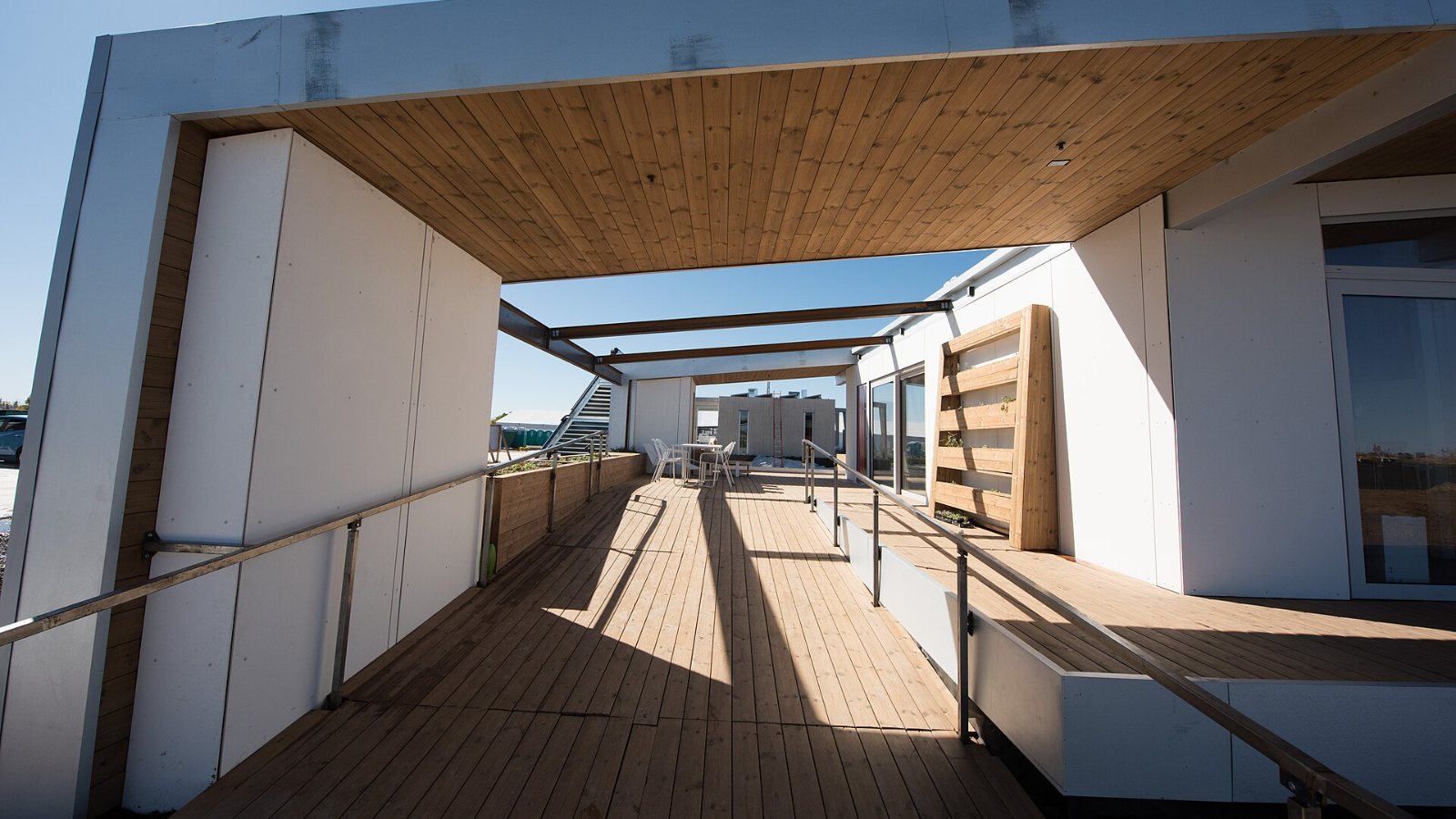
The short answer: There are four main types of accessory dwelling unit: a detached ADU (a separate backyard building), an attached ADU (an addition joined to the house), a conversion ADU (existing space such as a garage, basement or accessory structure turned into a unit) and a junior ADU (JADU), a unit of up to 500 sq ft built inside a single-family home. In California, state law decides most of what each type may be, and on a single-family lot it lets you combine a conversion ADU, a JADU and a detached ADU.
Last verified: October 29, 2026 · Written by Marc
Not sure your lot qualifies for any of them? Start with our 5-step check: can I build an ADU on my property?
ADU types at a glance
Source: California Government Code §§ 66313, 66321, 66323 and 66333, in effect since January 1, 2026.
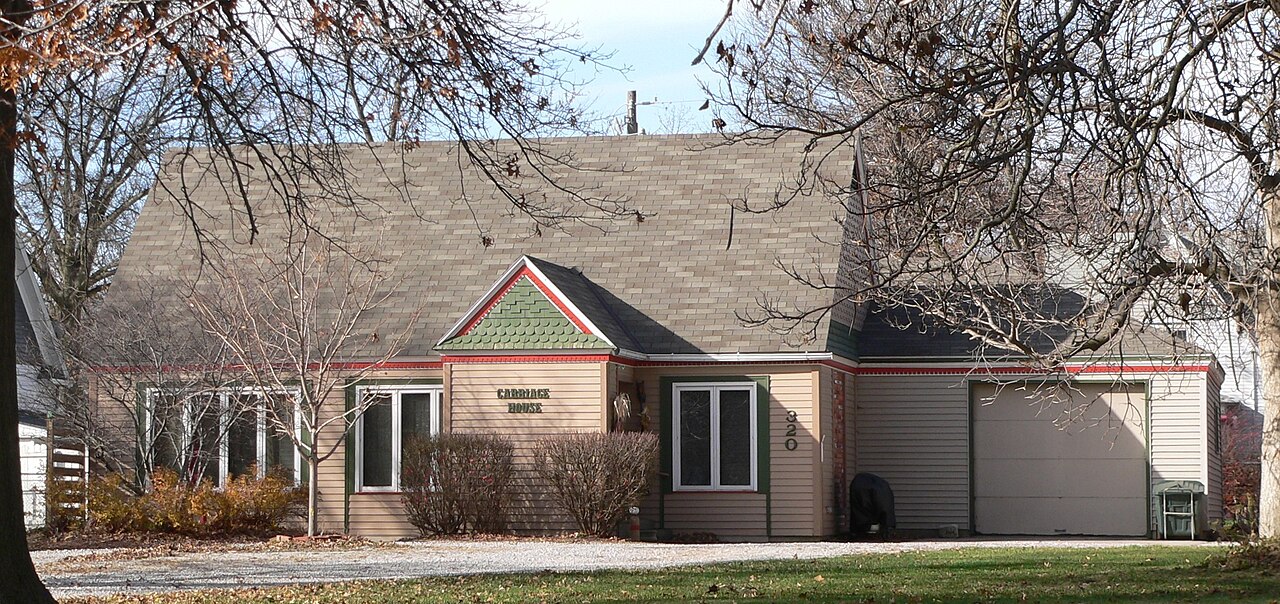
Practical tip: Start with the space you already have. A garage, basement or attic usually costs less to convert than a new building, and a conversion avoids the solar requirement and most of the setback questions that come with new construction.
Outside that by-right path, a city may set its own size limits, but a maximum cannot be lower than 850 sq ft, or 1,000 sq ft for a unit with more than one bedroom (§ 66321(b)(2)). Lot coverage, floor-area ratio, front setbacks or minimum lot size cannot be used to block an ADU of at least 800 sq ft with four-foot side and rear setbacks (§ 66321(b)(3)).
Height is guaranteed at 16 feet for a detached ADU. It rises to 18 feet on a lot within one-half mile walking distance of a major transit stop or high-quality transit corridor (plus two feet to match the main home’s roof pitch), and to 18 feet on a lot with a multistory multifamily building (§ 66321(b)(4)(A)–(C)).
Best for: owners who want the most privacy and rental flexibility and have yard space. It is usually the most involved option, because it needs a foundation and new utility runs. See what an ADU costs in California before you choose.
Attached ADU: an addition to the house
An attached ADU is a new addition that shares at least one wall with the main home and, like every ADU, provides complete independent living facilities: permanent provisions for living, sleeping, eating, cooking and sanitation (§ 66313(a)). The same size protections apply as for a detached unit: no maximum below 850 / 1,000 sq ft, and no local rule that prevents an 800 sq ft unit with four-foot side and rear setbacks (§ 66321(b)(2)–(3)).
Height is where the attached type differs. A city must allow 25 feet or the height limit that applies to the main home, whichever is lower. It does not have to allow more than two stories (§ 66321(b)(4)(D)). That makes an attached ADU the usual choice for a second-story unit over part of the house.
Best for: lots without room for a separate building, or owners who want the unit close to the main home, for example for a family member.
Conversion ADU: garages, basements and accessory structures
A conversion ADU turns space that already exists into a dwelling. That can be an attached or detached garage, a basement, an attic or an accessory structure such as a workshop. California requires cities to approve one ADU within the existing (or proposed) space of a single-family home or an existing accessory structure. The space must have exterior access, and a unit in an existing accessory structure may expand up to 150 square feet beyond its existing dimensions, but only to accommodate ingress and egress (§ 66323(a)(1)).
A garage conversion can therefore become either a conversion ADU or, if it is an attached garage and the unit stays within 500 sq ft, a JADU. The law treats enclosed uses within the home, such as attached garages, as part of the residence (§ 66333(d)).
Best for: owners who want to reuse a structure that already has a foundation and a roof. Check what a city cannot charge or require for these units in our guide to ADU impact fees.
Junior ADU (JADU): a unit inside the home
A JADU is a unit of no more than 500 square feet of interior livable space, contained entirely within a single-family residence. It may have its own bathroom or share one with the main home (§ 66313(d)). A local JADU ordinance must, among other things (§ 66333):
- limit JADUs to one per lot zoned for single-family homes with a single-family residence built or proposed;
- require owner occupancy only if the JADU shares sanitation facilities with the home. The owner can live in either part, and owner occupancy is not required when the JADU has its own bathroom;
- require a recorded deed restriction that bars selling the JADU separately from the home and limits its size and attributes;
- require the unit to be built within the walls of the home, with a separate entrance and an efficiency kitchen (a cooking facility with appliances, a food preparation counter and storage cabinets).
Best for: the lowest-construction option, such as a bedroom suite turned into a small rental or a space for an aging parent. For how owner occupancy works across states, see our owner-occupancy rules for ADUs.
How many ADUs can you build on one lot?
In California, § 66323(a) lets an owner build “any combination” of the by-right units. On a single-family lot that means one conversion ADU (or ADU within the proposed home), one JADU and one new detached ADU of up to 800 sq ft, so up to three units besides the main home. On a multifamily lot, different limits apply: up to 25 percent of the existing units as conversions and up to eight detached ADUs, as our guide to ADUs on multifamily lots explains.
These are state minimums that skip discretionary review. Your city’s ordinance may allow more, and it may set other standards for units outside the by-right path. Our guide to California ADU laws for 2026 explains what your city can still control.
Outside California
The four types exist almost everywhere, but the size, height and number limits come from each state’s law and your local code. Washington, Oregon, Colorado and Arizona, among others, have their own statewide rules. Compare them in our guide to ADU laws by state before you rely on any California figure above.
Which ADU type fits your situation?
- You have an unused garage or basement: look at a conversion ADU first, or a JADU if the space is inside the home and 500 sq ft is enough.
- You want a separate rental with privacy: a detached ADU.
- Your backyard is small but your house can grow: an attached ADU, possibly as a second story.
- You want the most units: in California, combine a conversion ADU, a JADU and a detached ADU on a single-family lot.
Whatever the type, the permit, fee and utility questions come next: compare ADU permit costs by city and check whether an ADU needs its own utility meters.
FAQ
What is the difference between an ADU and a JADU?
In California, a JADU is capped at 500 sq ft of interior livable space, must be entirely inside a single-family home and is limited to one per lot, with an efficiency kitchen and a recorded deed restriction against separate sale. An ADU can be detached, attached or a conversion, can be larger and has a full kitchen. Since 2026, a JADU requires owner occupancy only if it shares sanitation with the house.
Can I build an ADU and a JADU on the same lot?
Yes. Section 66323(a) requires ministerial approval of one ADU and one JADU within the existing or proposed space of a single-family home or accessory structure, plus one new detached ADU of up to 800 sq ft, in any combination. That is up to three units besides the main home. Our guide to two ADUs on one lot walks through the combinations.
How tall can a detached ADU be in California?
A city must allow at least 16 feet for a detached ADU, 18 feet on a lot with a multistory multifamily building, and 18 feet within half a mile walking distance of a major transit stop or high-quality transit corridor, plus 2 feet to match the main home’s roof pitch. An attached ADU gets 25 feet or the main home’s limit, whichever is lower. See ADU height limits.
Is a garage conversion an ADU or a JADU?
It can be either. A detached garage becomes a conversion ADU, with up to 150 sq ft of expansion for ingress and egress. An attached garage counts as part of the home, so it can become a JADU if the unit stays within 500 sq ft, or a conversion ADU. Our guide to garage conversion ADUs compares the costs and rules.
The bottom line
The four ADU types are detached, attached, conversion and junior ADU. In California, state law sets the floor for each: an 800 sq ft detached unit with 4-foot side and rear setbacks, attached units up to 25 feet or the main home’s limit, conversions within existing space with up to 150 sq ft of expansion and JADUs of up to 500 sq ft inside the home. On a single-family lot, you can combine a conversion ADU, a JADU and a detached ADU.
Your next step is to match the type to your lot and goals with the list above, then check your lot in our 5-step property check and price the option in what an ADU costs in California.
General information, not legal advice. Local rules vary and change; confirm with your planning department before you design or apply.
Sources: California Government Code § 66313 (definitions), § 66321 (size and height; amended by SB 543, effective January 1, 2026), § 66323 (by-right units; amended by SB 543) and § 66333 (JADUs; amended by AB 1154, effective January 1, 2026) · HCD ADU Handbook
Cover photo: “Solar Decathlon SD17Gallery of Houses (37643240061)” by U.S. Department of Energy Solar Decathlon, public domain, via Wikimedia Commons.
Questions or a correction?
If something in this guide is unclear, out of date or does not match what your city told you, send me a message. Include the source if you have one.