The short answer: Since February 2, 2025, Massachusetts lets owners build one ADU by right in single-family zoning districts under the Affordable Homes Act. The ADU can be no larger than half the main home’s gross floor area or 900 sq ft, whichever is smaller, and needs a separate entrance. Towns cannot require owner occupancy, a family relationship or a special permit, and cannot require parking within half a mile of rail, subway, ferry or bus stations. They can still regulate site plans, Title V septic, dimensions and short-term rentals.
Last verified: October 29, 2026 · Written by Marc
This guide summarizes the Commonwealth’s ADU guidance on Mass.gov as published on October 29, 2026. It is general information, not legal advice. The state proposed revisions to its ADU regulations in 2026, so confirm the current rules with your town before you design.
Massachusetts moved from one of the most local approaches to ADUs to one of the clearest statewide rules. Before 2025, many towns required a special permit, owner occupancy or a family tie to the tenant. The Affordable Homes Act changed that for the first ADU on a single-family lot. The state reports 2,084 ADUs approved across 2025 and the first half of 2026. This guide explains what the law guarantees, what towns can still regulate and how to check your lot.
What the law guarantees
The Affordable Homes Act allows ADUs under 900 sq ft to be built by right across the state. Since February 2, 2025, the rule covers a single ADU in single-family zoning districts. “By right” means no special permit or other discretionary approval is needed for the ADU or its rental.
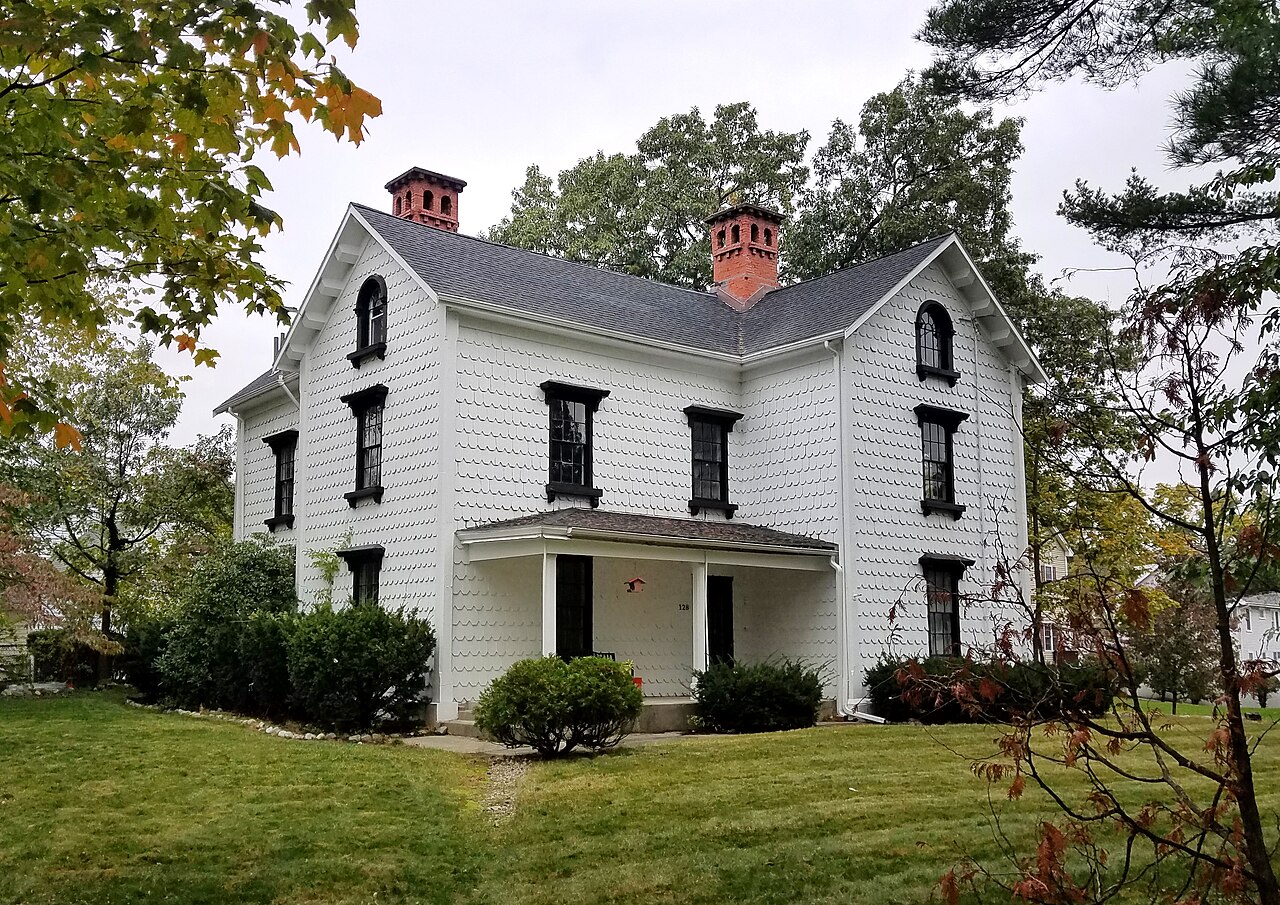
An ADU can be:
- Inside the existing home, such as a basement apartment
- Attached as an addition
- Detached, such as a cottage or a converted garage
To qualify, the state says an ADU must:
- Have a separate entrance, either directly from the outside or through an entry hall or corridor shared with the main home that meets the building code for safe egress.
- Be no larger than half the gross floor area of the main home or 900 sq ft, whichever is smaller.
- Meet any additional local restrictions the town decides to impose, such as further size limits or rules on short-term rentals.
The size cap in practice
The cap is the smaller of two numbers, so the main house limits the ADU on smaller homes.
| Main home gross floor area | Half of the home | ADU cap |
|---|---|---|
| 1,200 sq ft | 600 sq ft | 600 sq ft |
| 1,600 sq ft | 800 sq ft | 800 sq ft |
| 1,800 sq ft or more | 900 sq ft or more | 900 sq ft |
| 2,500 sq ft | 1,250 sq ft | 900 sq ft |
Any home of 1,800 sq ft or more reaches the 900 sq ft ceiling. On a 1,200 sq ft house, the protected ADU is capped at 600 sq ft.
Common mistake: reading “900 square feet” as the size you can build. It is the ceiling for the protected ADU, and only on a house of at least 1,800 sq ft. On smaller homes, half the house is the limit.
What towns cannot require, and what they can
The state’s guidance lists both sides:
| Towns may impose reasonable rules on | Towns cannot |
|---|---|
| Site plan review | Require owner occupancy or a family relationship for the ADU or the main home |
| Title V (septic) requirements | Require a special permit or other discretionary approval for the use or rental of an ADU |
| Dimensional setbacks and the bulk and height of structures | Require more than one parking space for an ADU outside half a mile of a commuter rail, subway, ferry or bus station |
| Short-term rentals | Require any parking for an ADU within half a mile of those stations |
Two points stand out for owners. The ban on owner-occupancy and family requirements applies to both the ADU and the main home, so you can rent both. And the parking rule depends on distance to transit: within half a mile of a station, no parking can be required at all.
Practical tip: Check your town’s bylaws for setback, height and site plan rules before you design. The state guarantees the use, but the town’s reasonable dimensional rules still shape where the ADU fits on your lot.
Septic, short-term rentals and second ADUs
Three local issues come up often:
- Title V: towns may apply septic requirements, so lots without sewer need the system reviewed for the added unit. Our guide to building an ADU on a septic system explains why capacity decides so much.
- Short-term rentals: towns may restrict them, so nightly rentals depend on local rules.
- More than one ADU: the by-right protection covers a single ADU in single-family districts. Additional units depend on the town’s own rules.
The 2026 regulation update
The Executive Office of Housing and Livable Communities proposed revisions to the ADU regulations, 760 CMR 71.00, in 2026. The public comment period ran from September 11 to October 9, 2026. Until final revisions are published, the current regulations apply. If you are starting a project now, ask your town whether any change affects your plans.
A worked example
Take a hypothetical 1,500 sq ft house in a single-family district, about 0.4 miles from a commuter rail station, on town sewer.
- Size: half of 1,500 sq ft is 750 sq ft, below 900, so the protected ADU is capped at 750 sq ft.
- Parking: the lot is within half a mile of a commuter rail station, so the town cannot require any parking.
- Approval: no special permit can be required for the ADU or its rental.
- Occupancy: the owner can rent both the house and the ADU long term.
- Local rules: the town’s site plan review and setback, bulk and height rules still apply, and short-term rentals follow its bylaws.
The same house on septic, two miles from any station, would also need a Title V review and could be required to provide one parking space.
How to check your Massachusetts lot
- Confirm the zoning district is single-family.
- Measure the main home’s gross floor area and apply the half-or-900 rule.
- Plan the separate entrance.
- Check transit distance for the parking rule.
- Read the town’s bylaws for site plan, setbacks, height and short-term rental rules.
- Check Title V if the lot is on septic.
- Ask about the 2026 regulation changes before you submit.
Frequently asked questions
Can I build an ADU by right in Massachusetts?
Yes, one ADU in a single-family zoning district, since February 2, 2025. The state says towns cannot require a special permit or other discretionary approval for the use or rental of that ADU. It must have a separate entrance and be no larger than half the main home’s gross floor area or 900 sq ft, whichever is smaller, and towns can apply reasonable site and dimensional rules.
How big can an ADU be in Massachusetts?
No larger than half the gross floor area of the main home or 900 sq ft, whichever is smaller. That means a 1,600 sq ft house allows an 800 sq ft ADU, and any house of 1,800 sq ft or more reaches the 900 sq ft cap. Towns can add further size restrictions, according to the state’s guidance.
Do I have to live on the property in Massachusetts?
No. The state’s guidance says towns cannot require owner occupancy or a family relationship for the ADU or the main home. You can rent both units long term. Short-term rentals are different: towns may impose restrictions on them, so check your town’s bylaws before listing a unit for nightly stays.
Does a Massachusetts ADU need parking?
It depends on transit. Towns cannot require any parking for an ADU within half a mile of a commuter rail station, subway station, ferry terminal or bus station, and cannot require more than one space for an ADU farther away. Our guide to ADU parking requirements shows how California’s similar rules work.
Can I build two ADUs in Massachusetts?
The by-right protection covers a single ADU in single-family zoning districts. A second ADU depends on your town’s own zoning rules, which may allow it, require a special permit or not allow it. Ask your town’s building or planning department, and check whether the 2026 revisions to the state’s ADU regulations change anything for your project.
The bottom line
Massachusetts ADU law lets owners build one ADU by right in single-family zones since February 2, 2025, capped at half the main home or 900 sq ft, whichever is smaller. Towns cannot require owner occupancy, family ties or a special permit, and parking rules depend on distance to transit. Site plans, Title V, dimensions and short-term rentals remain local.
Your next step is to measure your home, apply the size cap and read your town’s bylaws for site and dimensional rules, then ask about the 2026 regulation update. Compare Massachusetts with its neighbors in our guides to Connecticut ADU law and ADU laws by state.
Sources
General information, not legal advice. Local rules vary and change; confirm with your planning department.
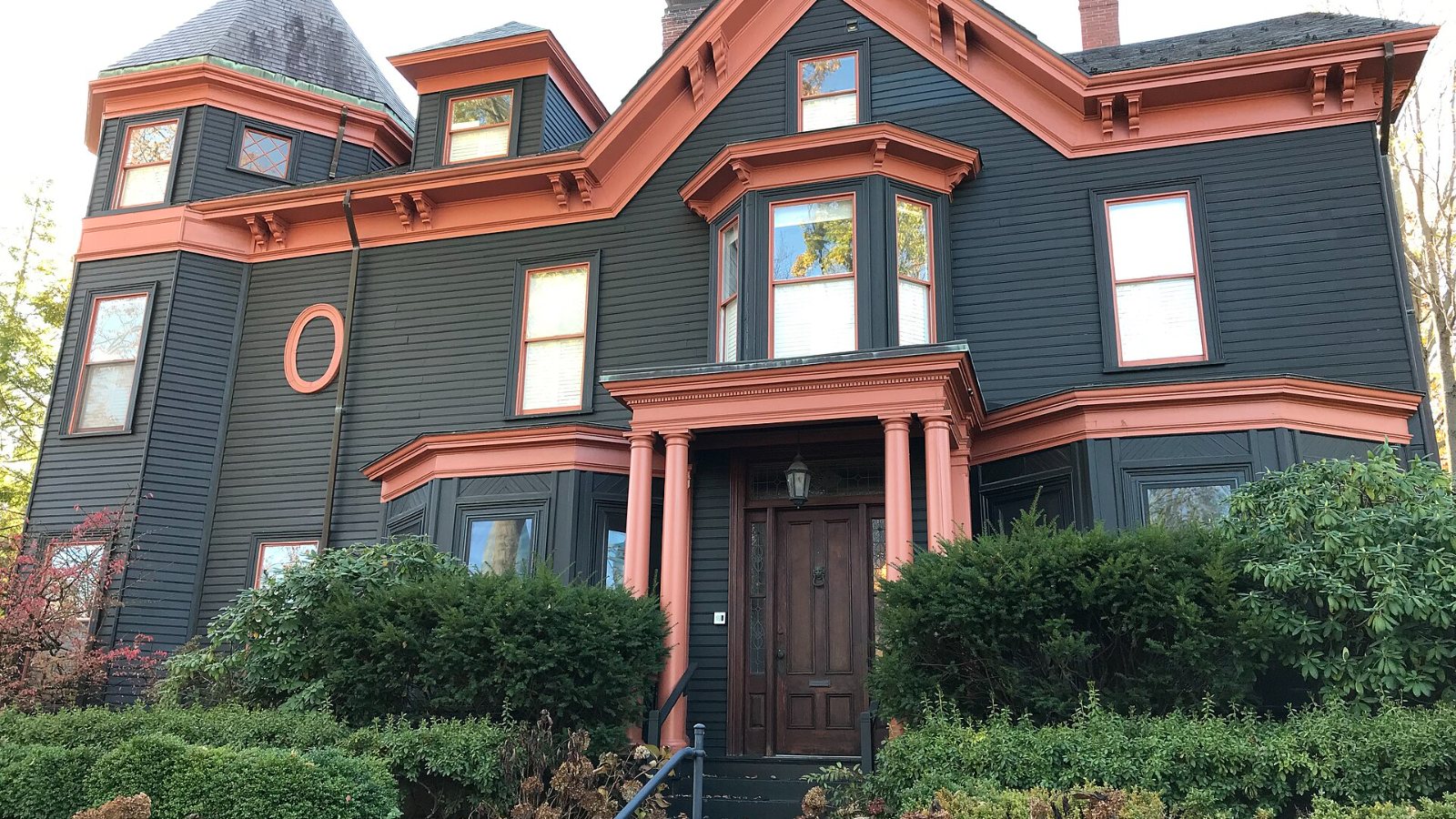
Cover photo: “2020 West Cambridge Massachusetts November” by M2545, CC BY-SA 4.0, cropped, via Wikimedia Commons.
Questions or a correction?
If something in this guide is unclear, out of date or does not match what your city told you, send me a message. Include the source if you have one.