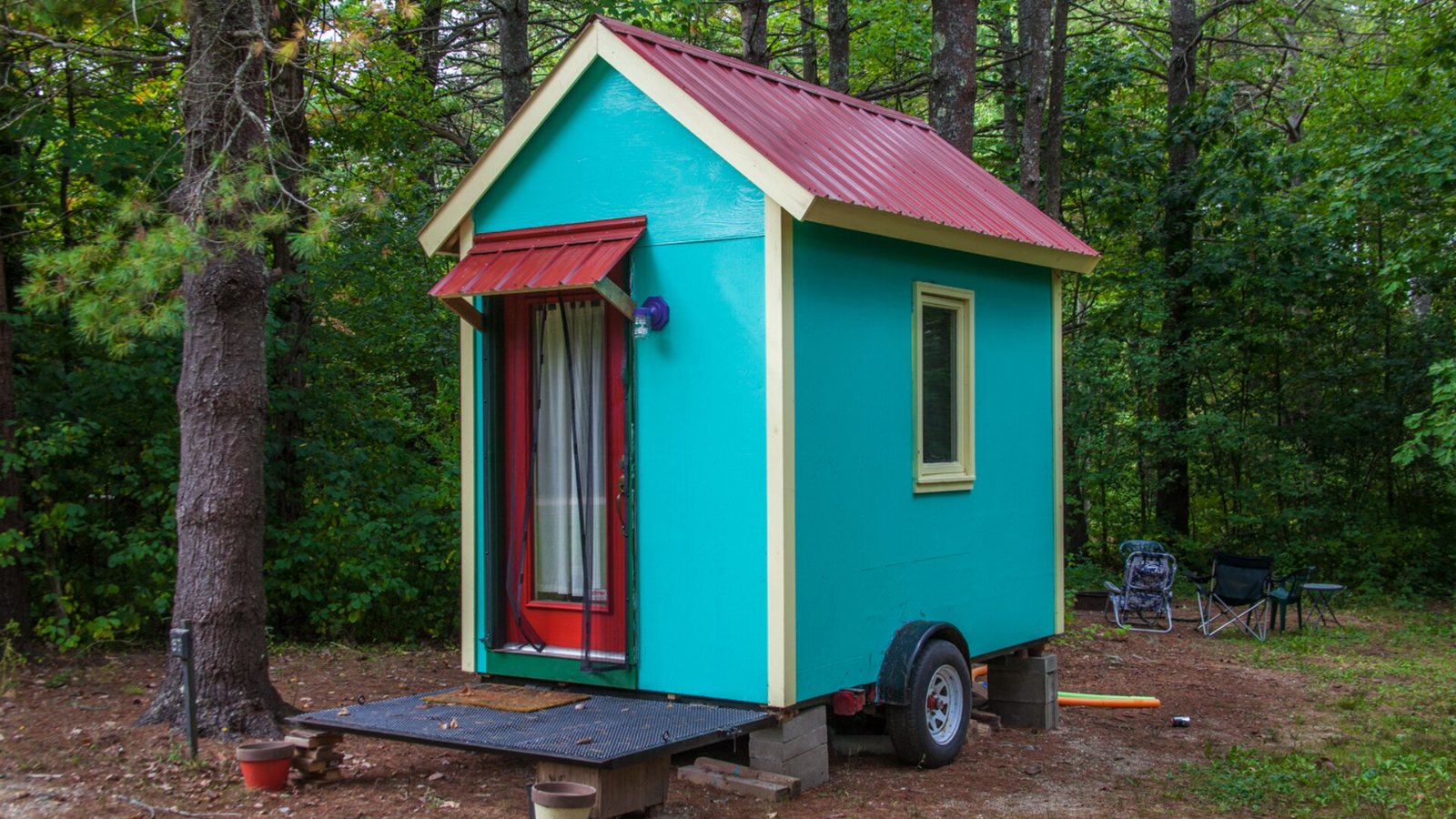
The short answer: Sometimes. California law defines an ADU as a unit with permanent provisions for living, sleeping, eating, cooking and sanitation, and it expressly includes efficiency units and manufactured homes. A tiny house built to the building code, or certified as a manufactured home, can qualify. A tiny house built as a recreational vehicle or park trailer, which state law describes as designed for recreational, seasonal or similar use, generally does not. Size is rarely the obstacle: a city cannot set a minimum ADU size that prohibits an efficiency unit, which can be as small as 150 sq ft.
Last verified: October 29, 2026 · Written by Marc
This guide summarizes California statutes read on October 29, 2026. It is general information, not legal advice. Whether a specific tiny home qualifies depends on how it was built and certified, which your building department decides. California’s housing department also publishes ADU guidance that discusses tiny homes; check its current ADU Handbook.
“Tiny home” is a marketing term, not a legal one. It can describe a small house built on a foundation, a factory-built home, or a trailer with a cottage on top. Under California law those are different things, and only some of them can be an ADU. The difference usually comes down to one question: what standard was the unit built and certified to? This guide explains the legal categories, which ones count as ADUs, the size rules and what to ask before you buy a tiny home for your backyard.
How California defines an ADU
Government Code § 66313 defines an accessory dwelling unit as an attached or detached residential unit that provides complete independent living facilities for one or more persons, on a lot with a proposed or existing primary residence. It must include permanent provisions for living, sleeping, eating, cooking and sanitation.
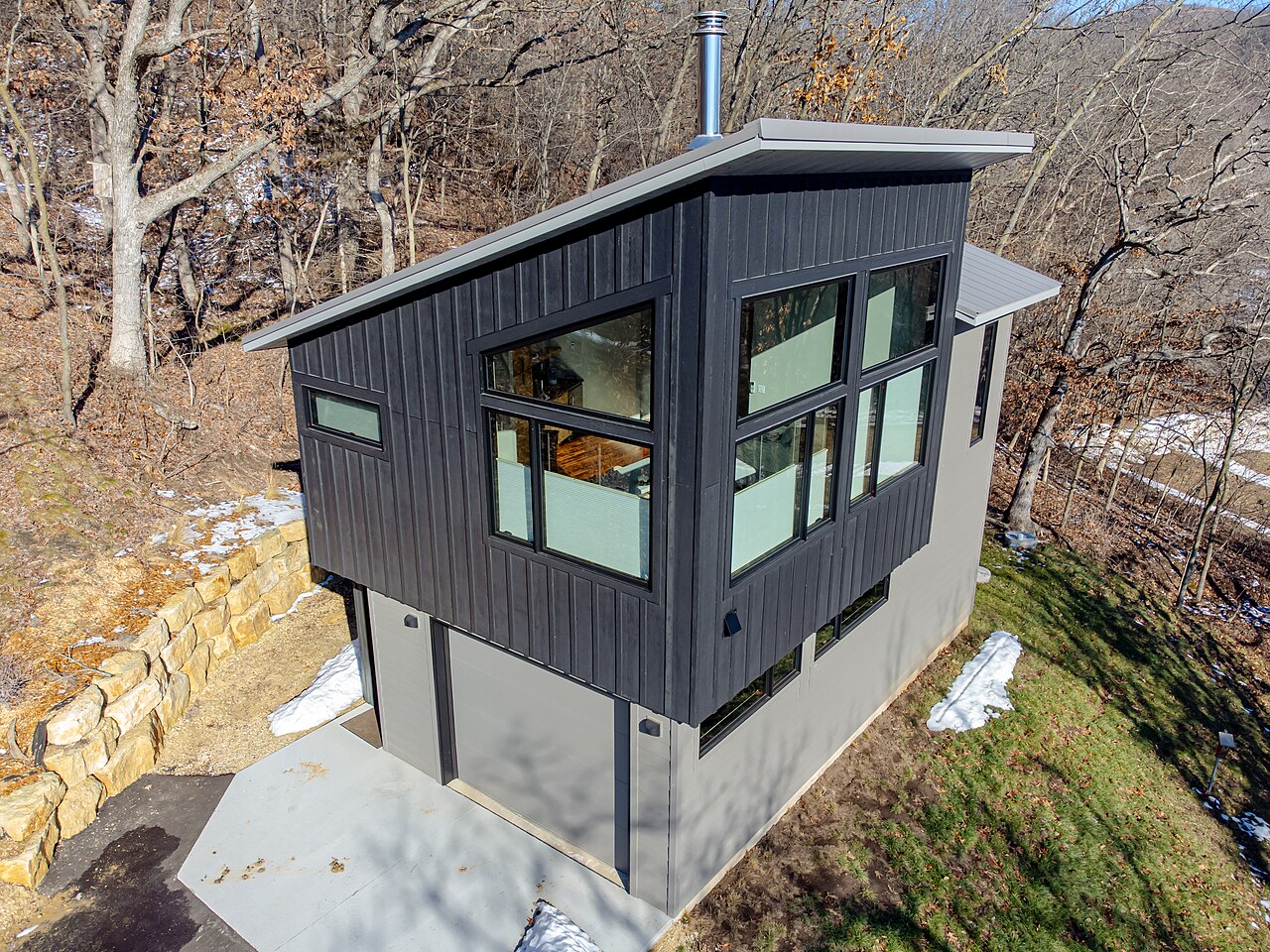
The same section says an ADU also includes:
- An efficiency unit, as defined in Health and Safety Code § 17958.1.
- A manufactured home, as defined in Health and Safety Code § 18007.
Those two inclusions are why some tiny homes qualify. The word “permanent” is why others do not.
The legal categories behind “tiny home”
| Category | Legal definition (summary) | Can it be an ADU? |
|---|---|---|
| Small house built to the building code | A conventional or modular dwelling built and inspected to the California building codes | Yes, if it meets the ADU definition and local ADU standards |
| Manufactured home | Built on or after June 15, 1976; transportable; built on a permanent chassis; designed as a dwelling with or without a foundation; at least 8 body feet wide or 40 body feet long in traveling mode, or 320 sq ft when set up, or voluntarily certified to the federal manufactured housing standards (HSC § 18007) | Yes: § 66313 includes manufactured homes in the ADU definition |
| Recreational vehicle | A motor home, travel trailer, truck camper or camping trailer designed for recreational, emergency or other occupancy, under 320 sq ft of internal living area and 400 sq ft or less gross, on a single chassis, towable without a permit (HSC § 18010) | Generally no |
| Park trailer | A trailer designed for human habitation for recreational or seasonal use only, 400 sq ft or less of gross floor area excluding a qualifying loft, no more than 14 feet wide, on a single chassis (HSC § 18009.3) | Generally no |
The manufactured home definition includes a structure that does not meet the size thresholds if the manufacturer voluntarily files a certification and complies with the federal manufactured housing standards. That is the path some small factory-built homes use.
Common mistake: buying a “tiny home on wheels” because the seller calls it ADU-ready. Ask what it is certified as. If the certification is as a recreational vehicle or park trailer, state law describes it as designed for recreational or seasonal use, which does not fit the permanent provisions the ADU definition requires. Get the certification in writing before you pay.
Why most tiny houses on wheels don’t qualify
A tiny house on wheels is often built so it can travel on public roads, and units like that may be certified as recreational vehicles or park trailers. If yours is, the statutes that define those categories describe their purpose: a park trailer is designed for “recreational or seasonal use only,” and a recreational vehicle is designed for “recreational, emergency, or other occupancy.”
An ADU, by contrast, must have permanent provisions for living, sleeping, eating, cooking and sanitation. A unit designed and certified for recreational or seasonal use does not usually meet that standard, however well it is finished inside. If your city has separate local rules for living in an RV or a tiny home on wheels on a residential lot, that is a different permission from an ADU and does not bring the state’s ADU protections.
Manufactured homes: the factory-built path
A manufactured home is the clearest way to put a factory-built small home on a lot as an ADU. Two state rules help:
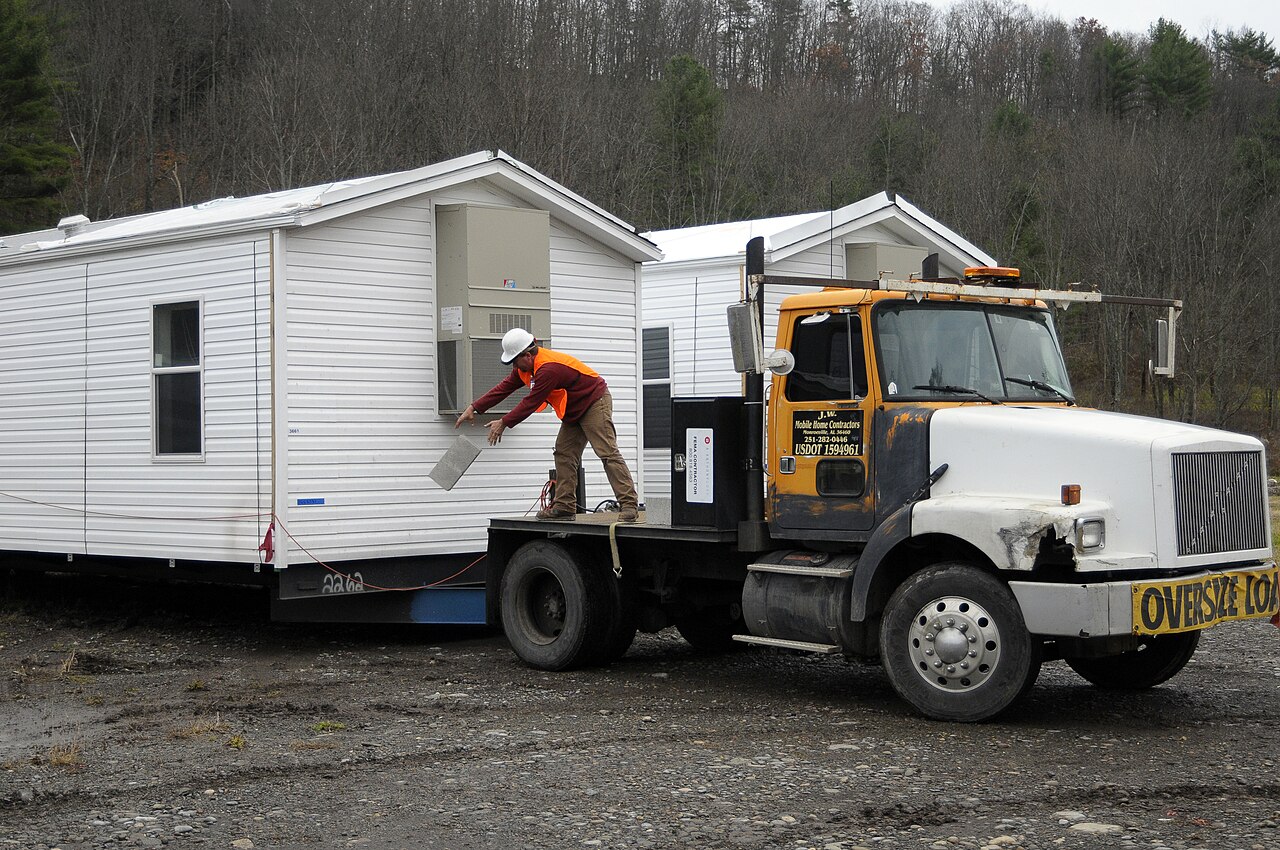
- It counts as an ADU. Section 66313 includes manufactured homes, as defined in HSC § 18007, in the definition of an ADU.
- Cities must allow them on foundations. Government Code § 65852.3 requires cities and counties to allow federally certified manufactured homes on a foundation system on lots zoned for single-family homes, and to apply only the same development standards as a conventional home on that lot. Architectural requirements on the home itself are limited to roof overhang, roofing material and siding material.
The foundation follows state rules: HSC § 18551 has the housing department set foundation system regulations for manufactured homes that apply statewide. Our guide to ADU site prep and foundation costs explains what a foundation can cost.
How small can an ADU be?
Smaller than most people think. Health and Safety Code § 17958.1 lets a city permit efficiency units for no more than two people with a minimum floor area of 150 sq ft, which may have partial kitchen or bathroom facilities as the ordinance specifies. Government Code § 66321(b)(1) then bars a local agency from setting a minimum ADU size that prohibits an efficiency unit.
So the legal question for a tiny home is rarely its size. It is whether the unit meets the ADU definition and the building standards for a dwelling.
Options for a small backyard home
- Build a small ADU on site. A studio or efficiency-sized ADU built to code is a standard ADU under the law.
- Buy a modular or prefab ADU built to the state’s building codes and set on a foundation; see our comparison of prefab vs site-built ADUs.
- Buy a manufactured home that meets HSC § 18007 and install it on a foundation as an ADU.
- Use a city’s pre-approved plan for a small unit, if your city offers one; see pre-approved ADU plans.
- Ask about local RV or tiny-home rules if you want to keep a unit on wheels, knowing it is not a state-law ADU.
Practical tip: Before you buy any small factory-built unit, send the manufacturer’s certification or label information to your building department and ask in writing whether it can be permitted as an ADU on your lot. A short email answer from the city is worth more than any sales brochure.
What to ask a tiny home seller
- What is the unit certified as: building code, manufactured home or recreational vehicle?
- Which agency issued the certification or label?
- Is it designed for a permanent foundation and permanent utility connections?
- Has a California city permitted this model as an ADU before, and can you see that permit?
- Who handles transport, foundation, utility hookups and inspections?
Frequently asked questions
Can I put a tiny house on wheels in my backyard as an ADU?
Usually not as a state-law ADU. A unit certified as a recreational vehicle or park trailer is defined in California law as designed for recreational or seasonal use, while an ADU must have permanent provisions for living, cooking and sanitation. Ask your planning department whether any separate local rules cover units on wheels.
Is a manufactured home an ADU in California?
It can be. Government Code section 66313 includes a manufactured home, as defined in Health and Safety Code section 18007, in the definition of an ADU. Section 65852.3 requires cities to allow federally certified manufactured homes on a foundation on single-family lots, under the same development standards as a conventional home on that lot.
What is the smallest ADU allowed in California?
State law lets cities permit efficiency units with a minimum floor area of 150 square feet for no more than two people, and it bars cities from setting a minimum ADU size that prohibits an efficiency unit. The unit must still meet building, health and safety standards for a dwelling, which your building department checks.
Does a tiny home ADU need a foundation?
If it is a manufactured home installed as a fixture on a lot, the foundation follows state foundation system rules under Health and Safety Code section 18551. A site-built or modular tiny home also needs a foundation designed for it. A unit kept on its wheels is generally not treated as a permanent ADU.
Do tiny home ADUs get the same state protections as other ADUs?
If the unit legally qualifies as an ADU, yes: the same ministerial approval, setback and fee rules apply as for any ADU. A unit that is not an ADU, such as an RV allowed under a local ordinance, does not get those protections, and its use depends entirely on local rules.
The bottom line
A tiny home can be an ADU in California when it is built to the building code or certified as a manufactured home, because state law includes manufactured homes and efficiency units in the ADU definition. Tiny houses on wheels certified as recreational vehicles or park trailers, which the law describes as designed for recreational or seasonal use, generally do not qualify. Size is not the barrier: ADUs can be as small as a 150 sq ft efficiency unit.
Your next step is to get the unit’s certification in writing and ask your building department whether it can be permitted as an ADU. Then compare it with prefab ADUs and check whether you can build an ADU on your property.
Sources
- Cal. Gov. Code § 66313 (definitions)
- Cal. Gov. Code § 66321 (unit size)
- Cal. Gov. Code § 65852.3 (manufactured homes)
- Cal. Health & Safety Code § 18007 (manufactured home)
- Cal. Health & Safety Code § 18010 (recreational vehicle)
- Cal. Health & Safety Code § 18009.3 (park trailer)
- Cal. Health & Safety Code § 17958.1 (efficiency units)
- Cal. Health & Safety Code § 18551 (foundation systems)
General information, not legal advice. Local rules vary and change; confirm with your planning department.
Cover photo: “Tiny House (29426649064)” by Paul VanDerWerf, CC BY 2.0, cropped, via Wikimedia Commons.
Questions or a correction?
If something in this guide is unclear, out of date or does not match what your city told you, send me a message. Include the source if you have one.