The short answer: In California’s coastal zone, an ADU usually needs a coastal development permit as well as a building permit, because state ADU law does not weaken the Coastal Act. Government Code section 66329 speeds it up: the local government must approve or deny the coastal permit within 60 days of a complete application, without a public hearing, at the same time as the ADU permit. Where the city has no certified local coastal program, the Coastal Commission decides, and its silence after 60 days means approval.
Last verified: October 29, 2026 · Written by Marc
This guide explains Government Code section 66329 as in force on October 29, 2026, with examples from San Diego and Los Angeles. It is general information, not legal advice. Coastal rules depend on your local coastal program, so confirm your lot’s status with your planning department.
Coastal lots are some of the most valuable places to add an ADU, and historically some of the slowest. Research from the Terner Center found that, between 2018 and 2022, ADU applications in the coastal zone of Los Angeles and Orange counties took more than 100 days longer on average than those outside it. State law has since added deadlines for coastal permits. This guide explains when you need one, how the 60-day rule works, what cities can still require and how to keep the process moving.
Why coastal lots need an extra permit
California’s ADU law works inside the Coastal Act, not over it. Section 66329(a) says nothing in the ADU article shall be construed “to supersede or in any way alter or lessen the effect or application of the California Coastal Act of 1976.”
In practice, that means many coastal ADUs need a coastal development permit (CDP) in addition to the building permit. San Diego’s bulletin describes when: inside the Coastal Overlay Zone, a CDP is required for an ADU or JADU that is not entirely within the existing primary structure, adds habitable area or converts non-habitable space. Los Angeles notes that a CDP can be needed for demolition, conversion or new construction.
The 60-day rule and no hearing
Section 66329 adds deadlines and removes hearings for coastal ADU permits:
| Who decides the coastal permit | Deadline | Hearing | If no decision |
|---|---|---|---|
| Local government (with a certified local coastal program) | Approve or deny within 60 days of a complete application, under § 66317 | Not required | The statute sets the 60-day duty; ask how your city applies it |
| California Coastal Commission (no certified local coastal program) | Approve or deny within 60 days of a complete application | Process runs concurrently with the ADU permit | Deemed approved after 60 days, with one exception |
Three details matter:
- Concurrent review: the coastal permit and the ADU permit are processed at the same time, not one after the other.
- No appeal under PRC § 30603: subdivision (c) says a local government’s decision under subdivision (a) is not subject to appeal under that section of the Coastal Act.
- The new-home exception: if the ADU’s coastal permit is submitted together with one for a new single-family or multifamily home on the lot, the Coastal Commission may delay the ADU decision until it decides the home’s permit.
Common mistake: assuming the 60-day clock starts when you file. It starts when the application is complete. An incomplete coastal application can sit for months without breaking the rule, so confirm completeness in writing.
What cities can still require on the coast
The coastal zone is where local rules most often go beyond the ADU baseline, because the Coastal Act protects resources and public access:
- Parking near the beach: in San Diego’s Beach Impact Area, one parking space is generally required unless the ADU is 500 sq ft or less, attached to the main home, in a historic district or near car-sharing.
- Case-by-case parking: Los Angeles’s Memo 143 says the city may require extra parking case by case to protect public access to the coast.
- Pending local rules: San Diego’s 2025 ADU amendments took effect outside the Coastal Overlay Zone in August 2025, while the coastal-zone provisions await Coastal Commission certification.
That last point is a general lesson: a city’s new ADU rules may not yet apply in its coastal zone. Ask which version applies to your lot.
How long coastal ADUs have taken
The Terner Center at UC Berkeley measured average days from application to permit approval between 2018 and 2022:
| County | Inside the coastal zone | Outside the coastal zone |
|---|---|---|
| Los Angeles County | 260 days | 147 days |
| Orange County | 233 days | 101 days |
These averages predate the 60-day coastal deadline, and the researchers warned that the usable records may be biased. Treat them as history, not a forecast. They show why the concurrent review and deadlines in section 66329 matter: the old process added months.
Practical tip: Submit the coastal permit and the ADU building permit together and ask the planner to confirm, in writing, the date both applications are complete. That date starts the 60-day clock for the coastal permit and for the ADU decision.
A worked example in San Diego
Take a hypothetical house in San Diego’s Coastal Overlay Zone, inside the Beach Impact Area.
If the owner converts space entirely within the existing home into a JADU, the bulletin’s rule suggests no coastal development permit is needed, because the unit stays within the existing primary structure and adds no habitable area. If the owner instead builds a new 450 sq ft detached ADU in the backyard, it adds habitable area, so a CDP is required. Because the new unit is 500 sq ft or less, the Beach Impact Area’s parking space is generally not required.
The two plans can cost similar amounts to build but follow different permit paths. Ask the city which applies before you design, and file the coastal and building applications together.
How to plan an ADU on a coastal lot
- Confirm the lot is in the coastal zone and whether your city has a certified local coastal program.
- Check whether a CDP is needed: conversions within the existing home are treated differently from new space in some cities.
- Check parking rules near the beach.
- Ask which ADU ordinance applies in the coastal zone.
- File the coastal and building applications together.
- Get the completeness date in writing.
- Track the 60 days and keep a dated log.
Frequently asked questions
Do I need a coastal development permit for an ADU?
Often, if your lot is in the coastal zone. State ADU law does not lessen the Coastal Act, so many ADUs need a coastal development permit as well as a building permit. In San Diego, a CDP is required for an ADU or JADU that is not entirely within the existing home, adds habitable area or converts non-habitable space. Ask your city how it applies the rule.
How long does the coastal permit take for an ADU?
Government Code section 66329 requires the local government to approve or deny a coastal development permit for an ADU within 60 days of a complete application, concurrently with the ADU permit. Where there is no certified local coastal program, the Coastal Commission has the same 60 days, and the application is deemed approved if it does not act, except when the ADU is filed with a new home.
Is there a public hearing for a coastal ADU?
No. Section 66329(a) says the local government shall not be required to hold public hearings for coastal development permit applications for ADUs, and the process runs at the same time as the ADU review. The local decision is also not subject to appeal under Public Resources Code section 30603. Coastal Act resource protections still apply.
Can a coastal city require parking for my ADU?
Sometimes. Coastal rules can add parking where the Coastal Act protects public access. San Diego generally requires one space in its Beach Impact Area, with exceptions for small, attached, historic-district or car-share-adjacent ADUs, and Los Angeles may require extra parking case by case to protect coastal access. Outside those situations, the state parking exemptions apply.
Why are coastal ADUs slower than others?
Because they need a second permit under the Coastal Act, and historically the two processes ran one after the other. The Terner Center found coastal ADUs in Los Angeles and Orange counties took more than 100 days longer on average between 2018 and 2022. Section 66329 now requires concurrent review and a 60-day decision, which should narrow the gap.
The bottom line
ADUs in the California coastal zone usually need a coastal development permit, because ADU law does not weaken the Coastal Act. Section 66329 requires a decision within 60 days of a complete application, without a hearing and alongside the ADU permit, and treats silence by the Coastal Commission as approval in most cases. Parking and pending local rules can still differ near the beach.
Your next step is to confirm whether your lot is in the coastal zone and which body decides the coastal permit, then file both applications together and get the completeness date in writing. Compare timelines in how long an ADU permit takes in California and local rules in San Diego ADU rules.
Sources
- Cal. Gov. Code § 66329
- City of San Diego: Information Bulletin 400
- Los Angeles City Planning: ZA Memo 143, Revision 1
- Terner Center: ADU permitting inside and outside the coastal zone
General information, not legal advice. Local rules vary and change; confirm with your planning department.
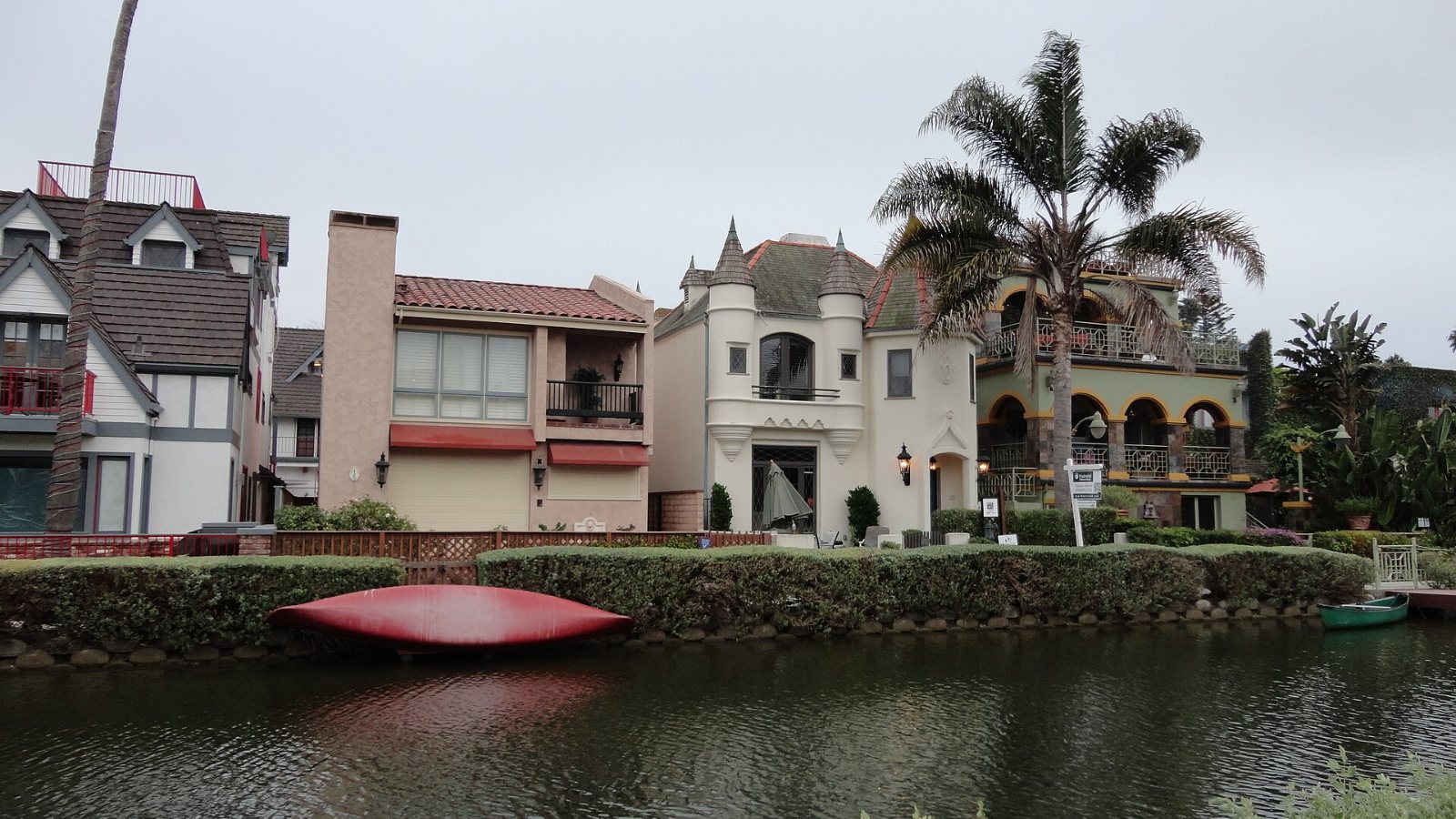
Cover photo: “Bungalows on Venice Canals, Los Angeles, California, Sept 2011” by Megha Gupta, CC BY-SA 3.0, cropped, via Wikimedia Commons.
Questions or a correction?
If something in this guide is unclear, out of date or does not match what your city told you, send me a message. Include the source if you have one.