
The short answer: An ADU adds homes to your lot but keeps one parcel: you can usually combine a converted ADU, a JADU and an 800 sq ft detached ADU, with no owner-occupancy requirement for the ADU. An SB 9 urban lot split divides the lot into two parcels that can be sold separately, each at least 1,200 sq ft and 40% of the original, but the city need not allow more than two units per new parcel, and you must sign an affidavit to live there for three years.
Last verified: October 28, 2026 · Written by Marc
This guide compares California’s ADU rules with the urban lot split in Government Code section 66411.7, as in force on October 28, 2026. It is general information, not legal advice. A lot split is a subdivision, so involve a surveyor, an attorney and your planning department before you decide.
Owners who want to add housing to a single-family lot in California now have two state-backed routes. The ADU route is the familiar one: build a backyard unit, convert a garage or carve out a JADU. The SB 9 route, named after the 2021 law, lets you split the lot itself and build on each half. They solve different problems. One maximizes rental units on a lot you keep, the other creates a parcel you can sell. This guide compares them side by side, with a worked example and a checklist.
The two routes at a glance
| Question | ADU route | SB 9 urban lot split |
|---|---|---|
| What you create | Extra units on the same parcel | Two parcels from one |
| Units the state guarantees | Typically a converted ADU, a JADU and an 800 sq ft detached ADU | City need not allow more than two units on each new parcel, ADUs and JADUs included |
| Can you sell a unit separately? | Only where the city has adopted an AB 1033 condominium ordinance | Yes, each parcel is a separate lot |
| Owner occupancy | Cannot be required for an ADU; a JADU only if it shares sanitation | Affidavit to occupy one unit as your principal residence for three years |
| Minimum lot size | No minimum lot size for the guaranteed ADUs | Each new parcel at least 1,200 sq ft and 40% of the original |
| Rentals | Longer than 30 days for state-mandated ADUs and JADUs; cities may require 30 days for others | Longer than 30 days |
| Approval | Ministerial; 60 days after a complete application | Ministerial parcel map; 60 days, or deemed approved |
The difference that drives most decisions is the second row against the third. The ADU route can put more homes on one lot, while SB 9 is the route that gives you two separately sellable lots.
How an SB 9 lot split works
Section 66411.7 requires a city to approve a parcel map for an urban lot split ministerially, without discretionary review, if it meets the statute’s requirements. The main ones:
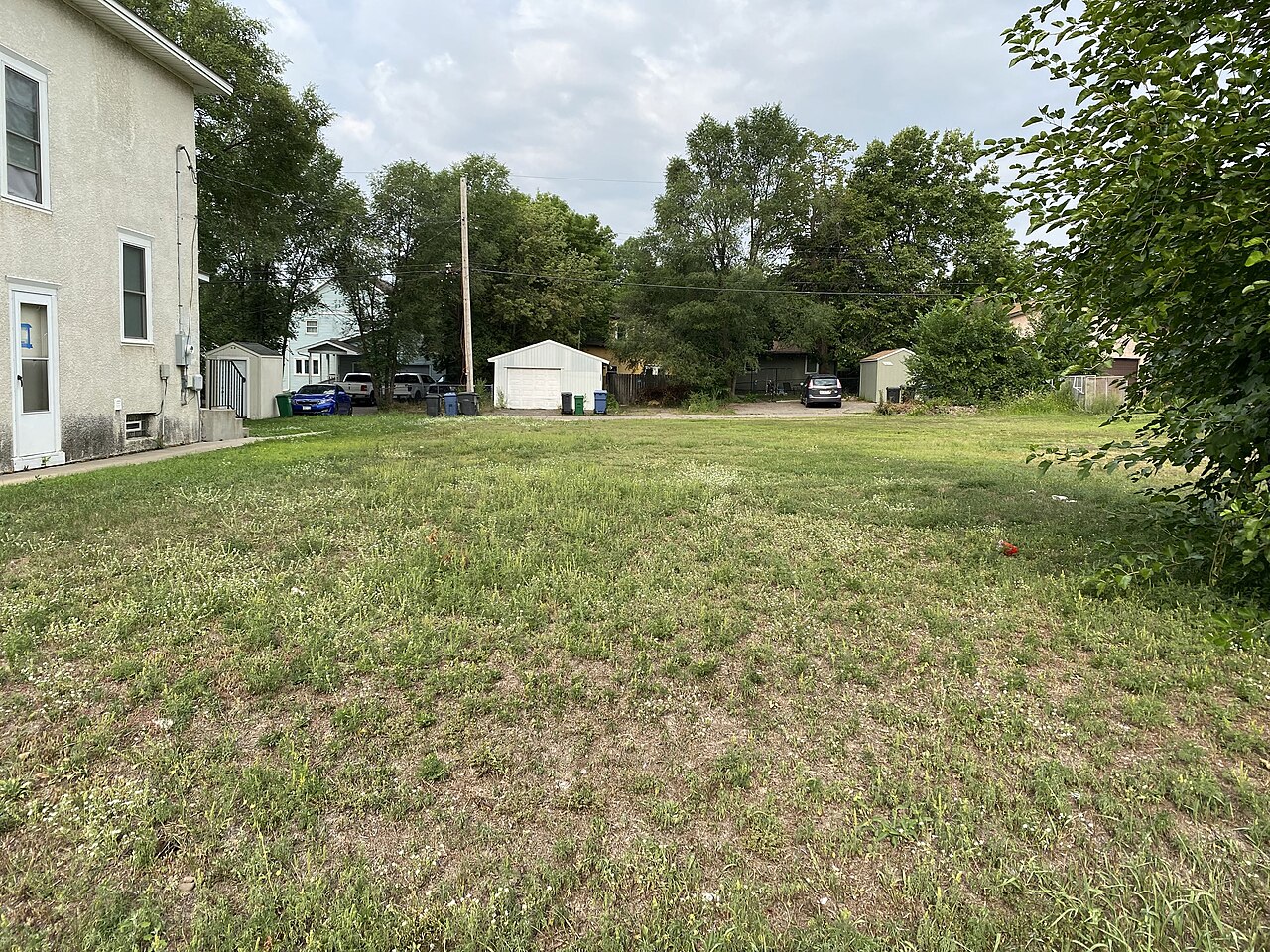
- Two parcels, roughly equal: no more than two new parcels of approximately equal lot area, and neither smaller than 40 percent of the original lot.
- Minimum size: both new parcels at least 1,200 sq ft, unless the city adopts a smaller minimum.
- Zone and location: the lot is in a single-family residential zone, in a city that includes part of an urbanized area or urban cluster as designated by the Census Bureau, or, outside cities, wholly within one.
- Site exclusions: the lot must meet the site criteria the statute borrows from section 65913.4, which exclude certain sensitive sites.
- Historic sites: not a historical landmark, and no demolition or alteration of a contributing structure or an existing exterior structural wall in a historic district.
- One time only: the parcel was not created by an earlier urban lot split, and the owner, or anyone acting with the owner, has not split an adjacent parcel this way.
Two protections favor the applicant. The city must approve or deny a complete application within 60 days, or it is deemed approved, and a denial must come with written comments on what is deficient and how to fix it. And objective zoning, subdivision and design standards cannot physically preclude two units on either parcel or force a unit smaller than 800 sq ft.
The limits that come with SB 9
The lot split carries conditions that ADUs do not:
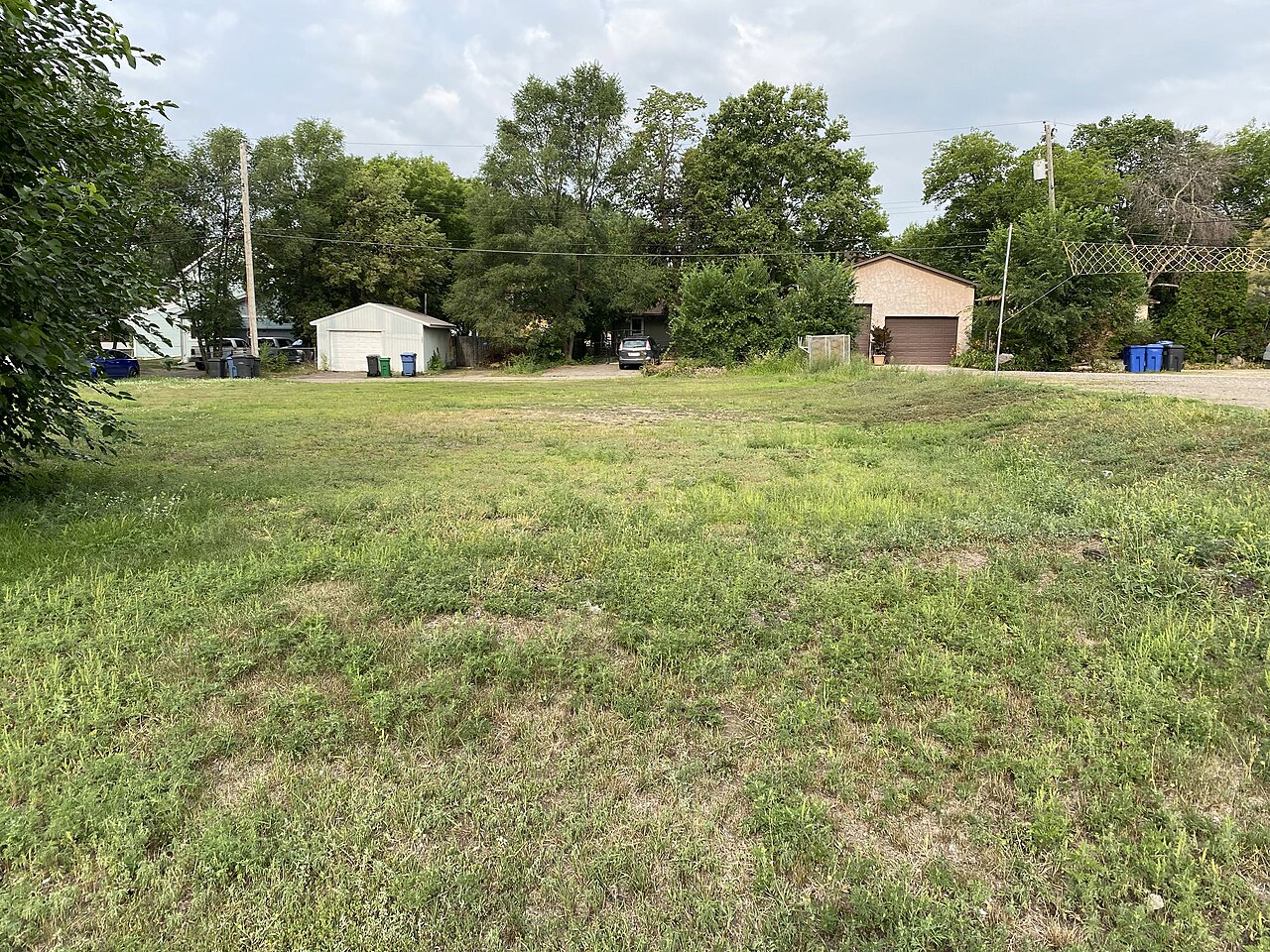
- Owner affidavit: you must sign an affidavit that you intend to occupy one of the housing units as your principal residence for at least three years from approval. Community land trusts and qualified nonprofits are exempt.
- Unit cap per parcel: a city is not required to permit more than two units on a parcel created by a lot split. The statute counts ADUs, JADUs and two-unit developments under section 65852.21 as units for this purpose.
- Housing you cannot demolish or alter: rent-restricted affordable housing, rent- or price-controlled housing, units withdrawn from the rental market within the last 15 years and housing occupied by a tenant in the last three years.
- Residential use only on the new lots, and rentals longer than 30 days.
- Possible conditions: easements for public services, access to the public right-of-way and up to one parking space per unit, except within half a mile walking distance of a high-quality transit corridor or major transit stop, or within a block of a car share vehicle.
- Health and safety denial: the city can deny the split if its building official makes a written finding of a specific, adverse impact on public health and safety that cannot feasibly be mitigated.
The city may require setbacks of up to 4 feet from the side and rear lot lines, but none for an existing structure or one rebuilt in the same location and dimensions.
Common mistake: assuming SB 9 plus ADUs means six or eight units. The statute lets a city cap each new parcel at two units, and it counts ADUs and JADUs toward that cap. Plan on two homes per parcel unless your city allows more in writing.
A worked example: one 6,000 sq ft lot, two plans
Take a hypothetical 6,000 sq ft lot in a single-family zone, with an owner-occupied house and a detached garage, in a city where SB 9 applies.
Plan A, the ADU route. The owner converts the garage into an ADU, creates a JADU inside the house and builds an 800 sq ft detached ADU in the backyard, which the state lets a typical single-family lot combine. Result: four homes on one parcel, the house plus three units, all on one title. Selling one unit separately would need an AB 1033 condominium ordinance in that city.
Plan B, the SB 9 route. The owner splits the lot into two parcels of 3,000 sq ft each. Both are above 1,200 sq ft, and neither is below 40% of the original (2,400 sq ft). The city can cap each parcel at two units, so the result is up to four homes on two parcels: the house and one unit on the first parcel, and two units on the new one. The owner signs the three-year affidavit and can later sell the new parcel.
The unit counts can look similar. The real difference is ownership. Plan A keeps one property with rental income. Plan B creates a second property you can sell, at the cost of a subdivision process, a survey and the three-year occupancy commitment.
Which route fits your goal
| Your goal | Route that usually fits | Why |
|---|---|---|
| Rental income, keep the property | ADU | More units on one parcel, no owner-occupancy rule for the ADU |
| House a parent or adult child | ADU or JADU | Simpler permit, no subdivision |
| Sell part of the lot | SB 9 lot split | Creates a separate legal parcel |
| Build for a buyer on a large lot | SB 9 lot split | Each parcel can be sold with up to two units |
| Lot under 2,400 sq ft | ADU | Each SB 9 parcel needs at least 1,200 sq ft, unless the city allows less |
| Tenant lived in the house in the last three years | ADU | SB 9 cannot require demolition or alteration of that housing |
| You will not live there for three years | ADU | The lot split requires the occupancy affidavit |
Costs differ too. A lot split adds surveying, a parcel map and possibly separate utility connections for the new lot, while an ADU is a building permit on the existing parcel. Get quotes for both before you choose. Our ADU budget breakdown covers the ADU side.
Practical tip: Ask the planning department two questions in writing before you pay for a survey: whether your lot meets every SB 9 site requirement, and how many units the city will allow on each new parcel. The second answer decides whether a split beats the ADU route.
How to decide, step by step
- Define the goal: rental income on one property, or a parcel to sell.
- Check the lot size: can it split into two parcels of at least 1,200 sq ft, each at least 40% of the original?
- Check the history: any tenant in the last three years, rent control, prior lot splits or adjacent splits by you?
- Check historic and site status with the planning department.
- Ask how many units the city allows per new parcel, including ADUs.
- Compare costs: survey and parcel map against the ADU permit and construction.
- Decide on occupancy: can you sign the three-year affidavit?
Frequently asked questions
Can I build an ADU on a lot split under SB 9?
You can build units that count toward the cap, but the city does not have to allow more than two units on each new parcel. Section 66411.7(j) counts ADUs, JADUs, primary dwellings and two-unit developments as units for that limit. Some cities may allow more, so ask yours in writing. Without the split, the ADU route typically allows a conversion, a JADU and a detached ADU together.
What is the minimum lot size for an SB 9 lot split?
Each of the two new parcels must be at least 1,200 sq ft, unless the city adopts a smaller minimum by ordinance, and neither can be smaller than 40 percent of the original lot. In practice, a lot needs at least 2,400 sq ft to split under the state minimum, and a 6,000 sq ft lot cannot produce a parcel smaller than 2,400 sq ft.
Do I have to live on the property after an SB 9 lot split?
You must sign an affidavit stating that you intend to occupy one of the housing units as your principal residence for at least three years from approval of the lot split. Community land trusts and qualified nonprofit corporations are exempt, and the city cannot impose other owner-occupancy standards. The ADU route has no owner-occupancy requirement for the ADU itself.
Can I sell an ADU instead of splitting the lot?
Only where your city or county has adopted an ordinance under AB 1033 that allows the ADU and the main house to be sold separately as condominiums. That route needs a condominium plan, an HOA structure, a safety inspection and your lender’s written consent. If your city has not opted in, an SB 9 lot split is the state route to a separately sellable parcel. Our guide to selling an ADU separately explains it.
How long does the city take to approve an SB 9 lot split?
The city must approve or deny a complete application for a parcel map within 60 days of receiving it, or the application is deemed approved. A denial must come with a written list of the defective or deficient items and how to remedy them. Building permits for the new units are separate and follow their own review times after the parcel map is approved.
The bottom line
The SB 9 lot split vs. ADU choice comes down to ownership. ADUs add more homes to a lot you keep, with no owner-occupancy rule for the ADU. An SB 9 lot split creates two separately sellable parcels of at least 1,200 sq ft and 40% of the original, but the city can cap each at two units, and you must commit to living there for three years.
Your next step is to define your goal, then ask your planning department whether your lot qualifies for a split and how many units it will allow per parcel. Then compare with the ADU options in California ADU laws in 2026 and run our 5-step property check.
Sources
- Cal. Gov. Code § 66411.7 (urban lot split)
- Cal. Gov. Code § 66323
- Cal. Gov. Code § 66333
- Cal. Gov. Code § 66342
General information, not legal advice. Local rules vary and change; confirm with your planning department.
Cover photo: “SD17Gallery of Houses (37224869620)” by U.S. Department of Energy Solar Decathlon, public domain, via Wikimedia Commons.
Questions or a correction?
If something in this guide is unclear, out of date or does not match what your city told you, send me a message. Include the source if you have one.